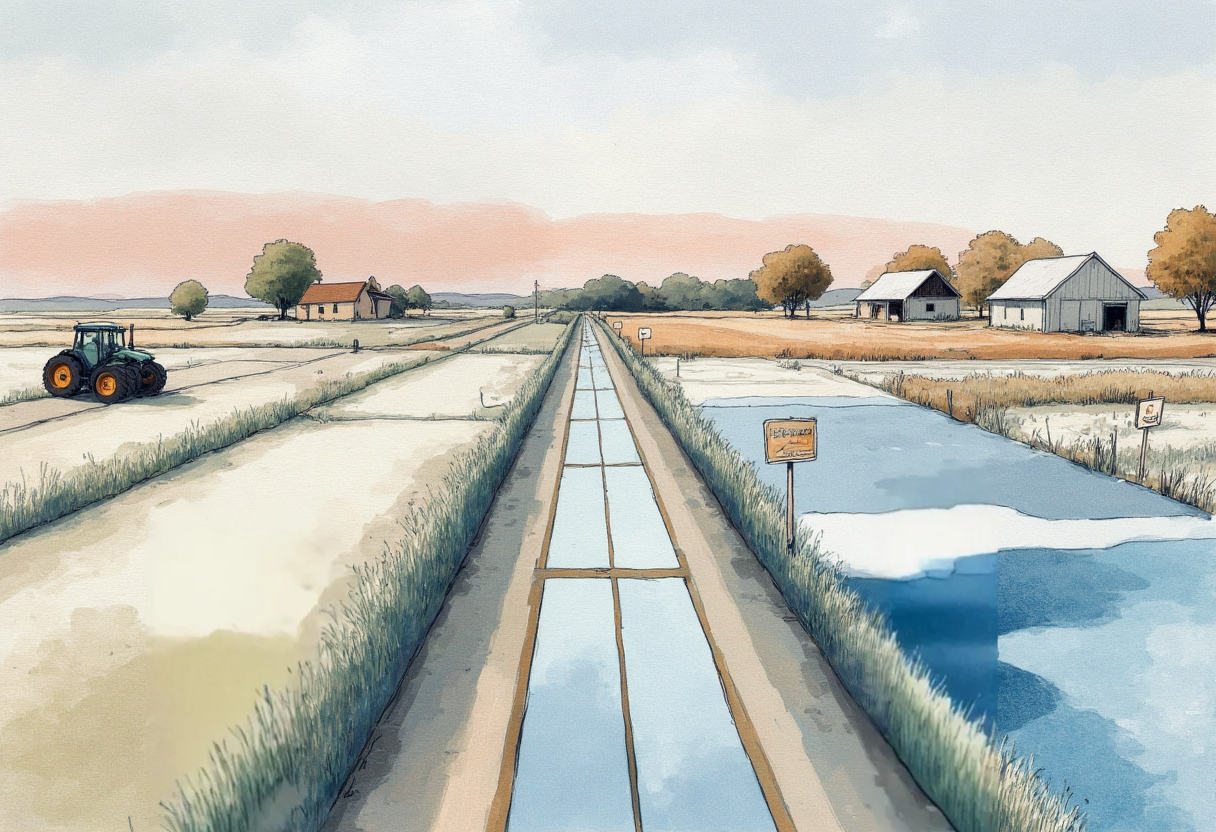
Rural landowners often misunderstand the complex reality of development timelines and processes, potentially leading to unrealistic expectations about property values and sales, according to a senior land advisor working across the Southeast.
“I think there’s a misconception on all that goes into that,” says Bryant Peace, Senior Advisor at Saunders Real Estate. “It takes the better part of 18 to 24 months to get an agricultural zone property, getting your land use change and getting all your wetland studies done and getting your permits in hand.”
The Timeline Reality
Peace says many landowners see high prices paid for development-ready property and assume their agricultural land can command similar values immediately. However, the process of converting agricultural land to development-ready property involves extensive studies, permitting, and patience.
“A lot of landowners would like that big number, but a lot of them don’t realize that you really have to be patient,” Peace explains. The extended timeline creates additional considerations beyond just the sale price.
Understanding Contract Risk
According to Peace, the lengthy development process introduces significant risk factors that landowners need to understand. “Time in a contract is risk,” he says, “because you’re tying up your property, you’re giving someone a year and a half or more sometimes to take that property all the way through and do all their due diligence and get their permits in hand.”
This extended commitment period means landowners need to carefully evaluate potential buyers and their development plans before entering into agreements.
The Education Gap
Peace identifies education as a crucial part of the land advisory role. “That’s one of the big things that we have to do as advisors is be prepared to coach people along and educate them on what the process really looks like,” he says.
This education extends beyond just understanding timelines, it includes helping landowners evaluate development potential, understand market conditions, and set realistic expectations for both process and outcome.
Market Solutions
Saunders Real Estate has developed specialized teams across the Southeast to address these challenges. “We have specialists on our teams across the southeast that specialize in development property,” Peace notes, “and they help help landowners discern: Do you own a property that is a development prospect? If so, how do we position it? What’s a reasonable value and what are the steps to help you sell it?”
Walk into an open house in northern New Jersey today, and you’ll see a housing market defined by scarcity. In towns where 80 homes might have been for sale in the past, there are now just ...
South Florida’s luxury condo rental market is facing a sharp decline in profitability, with investors offloading properties purchased less than a year ago as high HOA fees and soaring insu...
When Erik Hayden’s real estate development firm Urban Catalyst was forced to lay off 75% of its staff and move operations into a plumbing company office, it crystallized a harsh realit...
A longstanding practice in commercial real estate may be costing property sellers hundreds of thousands of dollars without their knowledge, according to Connecticut broker Jeff Kravet. Major...
Jeff Biebuyck did not grow up in real estate. He did not grow up with money. He grew up in a household where wanting things, even small things, was treated like a character flaw. “My p...
Jesse Whalen, Vice President of The Office Group at Bull Realty, argues that companies leasing office space face the most significant disadvantage in commercial real estate when they forgo p...