
“These are baby boomer Bitcoins,” says Sean Seward, describing the thousands of vacant lots scattered across Florida’s landscape. As a realtor with Keller Williams Island L...

Florida's Luxury Real Estate Transformation From Seasonal Haven to Year-Round Destination

Written by:
Date:
05 Aug 2025
Share via Facebook

Share via Linkedin

Share via X

Copy to clipboard

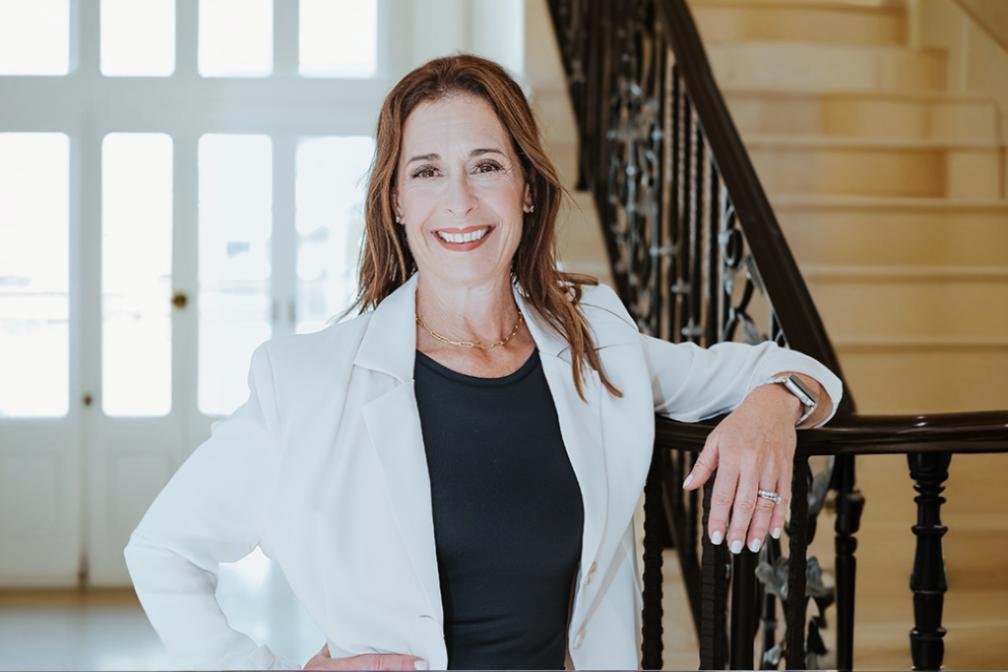
The Florida real estate market has experienced a significant shift since COVID-19, moving from a traditional seasonal destination to a year-round luxury haven that rivals California’s high-end markets. This change has altered buyer demographics, pricing structures, and market dynamics across the state’s most desirable communities.
Michele Locke, Owner and President of Fine Living Realty of Palm Beaches, has witnessed this change firsthand. With 25 years of experience and a team of 18 agents serving Jupiter, Palm Beach Gardens, Tequesta, and expanding northward, Locke offers unique insights into how Florida’s luxury market has redefined itself.
The COVID Migration Effect
“COVID really changed the dynamics and the look of what Florida is now,” Locke explains. “It is not the Florida it used to be. There are many people that live here on an annual basis
nd it’s no longer a winter home.”
The pandemic triggered an unprecedented migration from high-tax states, particularly California and the Northeast. This influx wasn’t just seasonal residents extending their stays; it represented a shift toward permanent relocation driven by lifestyle preferences, tax advantages, and remote work capabilities.
“People have moved here because they want to be governed by our governor, or they want to live in Florida for the way that it was handled during COVID,” Locke notes. “In the world of virtual workspaces and AI and all these new tech tools, people can live anywhere they want. So why wouldn’t they want to live in a place where it’s sunshine 365 days a year?”
Price Parity with Premium Markets
The migration has driven Florida’s luxury real estate to new price levels. “Florida has become very high end. The real estate is no longer inexpensive. It is on par with California prices,” Locke observes. “It has become a very high end luxury market.”
This pricing change reflects more than simple supply and demand. The quality of buyers has shifted, with many bringing substantial equity from appreciated properties in their previous markets. The result: cash transactions dominate and Locke reports that 95% of her buyers are cash purchasers.
The Cash Buyer Phenomenon
These cash buyers represent a diverse but affluent demographic: executives, retirees, and investors capitalizing on gains. “These wealthy people are just continuing to make money. Money does not seem to be a concern down here,” Locke explains.
The abundance of cash buyers has created a split market structure. “There’s two sides of the coin. We have the very high end luxury market, and then we have the people struggling. There’s no one in the middle anymore.”
For luxury transactions, this dynamic simplifies the process. “A transaction with those people is super simple, because if they like the house, they buy the house. They don’t care if the refrigerator ice maker isn’t working or they need to replace a hot water heater or a new air conditioner.”
Northward Migration Within Florida
A notable trend has emerged within Florida: luxury buyers are migrating northward. “The migration in Florida is north. Anybody who wants to sell their house and put some cash in their pocket has to move a little bit further north to get a little bit more value,” Locke notes.
This internal migration is driven by buyers seeking better value while maintaining their lifestyle. Northern Palm Beach County has become a beneficiary, attracting buyers from more expensive southern markets.
West Palm Beach the Next Miami
One significant development Locke identifies is West Palm Beach’s transformation. “West Palm, in my mind, is going to become the new Miami. There is so much development going on there, and it’s just exploding.”
She points to projects like The Nora, a mixed-use development, as examples of the area’s evolution. “West Palm Beach always had the potential to be a great market. It’s close to the airport, it’s on the water, it’s the proximity to lots of different places, but it’s always been run down, and there’s been a lot of crime there. They’re really cleaning it up, and it’s unrecognizable at this point.”
Insurance and Weather Considerations
While insurance concerns have impacted some Florida markets, Locke’s territory has remained relatively insulated. “What I hear and see is mostly on the West Coast. The hurricane seemed to get sucked in by the Gulf, and the west coast of Florida has been pummeled time after time.”
In contrast, her market benefits from newer construction standards. “A lot of houses are built to withstand category five storms. They’re equipped with impact glass and new roofs, and they’re built high up so there’s no chance of flooding.”
Many luxury buyers are choosing to self-insure. “Self-insure is a gigantic trend. The insurance companies’ premiums are basically telling their clients they don’t want their business because no one would pay these premiums.”
The Golf and Water Community Advantage
Locke has carved out a specialized niche in golf club and waterfront communities, positioning herself as a “matchmaker” between buyers and communities. “I know clubs, I know the demographics, I know who lives where. Once I get to know my client, I basically just match them up to the right club.”
This specialization serves buyers making lifestyle investments. “You buy the people, right? When you buy into the community, you buy the people, you buy the food, you buy the golf course.”
The commitment level of these buyers is substantial. Locke describes clients who “rent houses for $25,000 a month and stay here for six months just to try on a neighborhood before they buy it. They spend $100,000 in rent for six months” to ensure they’re making the right community choice.
Market Dynamics and Buyer Behavior
Despite broader market concerns, Locke reports strong activity. “They say the market’s struggling, but in the past month, I’ve put three houses under contract and done four leases.”
The luxury market operates under different dynamics than the broader residential market. While both segments are experiencing buyer’s market conditions, luxury sellers maintain more flexibility. “The luxury seller is not what we call a desperate seller. They’re not going to be panhandled by their buyer, and they’re not going to give it away. They’ll just wait for somebody else, because they have the luxury of being able to.”
Looking Forward
Florida’s transformation from seasonal destination to year-round luxury market appears to be a permanent shift rather than a temporary pandemic-driven trend. The combination of tax advantages, lifestyle benefits, remote work capabilities, and high-quality amenities has created a compelling value proposition for affluent buyers.
As Locke notes, the key to success in this evolved market is adaptation: “People out there just have to know how to change with the times and adapt.” For real estate professionals, this means understanding that they’re not just selling properties
nd they’re facilitating lifestyle transitions for buyers who have the means to live anywhere but are choosing Florida for reasons that extend far beyond traditional seasonal considerations.
The Florida luxury market’s evolution reflects broader changes in how and where affluent Americans choose to live, work, and invest. As remote work capabilities continue to expand and lifestyle preferences increasingly drive location decisions, Florida’s position as a year-round luxury destination seems well-established for the foreseeable future.
Similar Articles
Explore similar articles from Our Team of Experts.