
As headlines debate whether Las Vegas has peaked, the city’s high-end construction pipeline tells a different story. For specialty contractors working at the top of the market, project...

Building an Audience-First Real Estate Media Empire: Lessons from REtipster's 13-Year Journey

Written by:
Date:
07 Jul 2025
Share via Facebook

Share via Linkedin

Share via X

Copy to clipboard


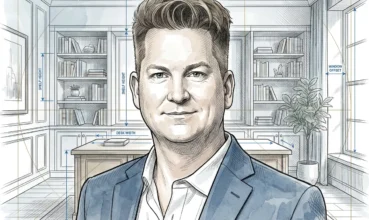
The real estate media landscape has changed significantly over the past decade, with traditional gatekeepers giving way to independent content creators who build direct relationships with their audiences. Few have navigated this shift as successfully as Seth Williams, Host of REtipster, who has spent over a decade building one of the most respected platforms in the land investing space.
Williams’ journey from land investor to media entrepreneur offers valuable insights for real estate professionals looking to establish their own thought leadership platforms in an increasingly crowded digital marketplace.
From Investor to Content Creator
Williams didn’t set out to become a media mogul. His path began in 2008-2009 as a land investor, focusing on a straightforward but effective strategy: identifying property owners through public records, making cash offers at 40-60% of market value, and reselling at full market price.
“Land investing has been almost completely in the United States because the US is unique in that all property ownership information is publicly available,” Williams explains. “If you have a house in the US, I can find you. I can find out if you have a different mailing address from the house you own. I can find out in most states how much you paid for that house.”
After five years of successful investing, Williams discovered the power of content creation through Pat Flynn’s Smart Passive Income blog. The revelation was eye-opening: “I saw the information he was publishing, and it was really good, like it was worth paying for, but it was free. He was also publishing income reports showing how much money he was making from his blog, and he was making a ton of money.”
This discovery led Williams to launch REtipster in 2012, initially as a simple WordPress blog where he shared lessons from his investing experience.
The Value-First Content Strategy
Williams’ approach to content creation was straightforward: genuine helpfulness over sales tactics. “When you’re trying to build an audience, you don’t really have to be a salesperson. I’ve never really been great at sales. All you have to do is just be yourself and be genuinely helpful and create value for people.”
This philosophy shaped REtipster’s content strategy from the beginning. Rather than focusing solely on land investing, Williams broadened his appeal: “In every blog post, I would explain some key lesson or piece of software that made my life way easier as a land investor, but I would try to explain it in a way that any other type of investor could benefit from it as well.”
The timing proved fortunate. Williams began creating YouTube videos in 2013, just as the platform was gaining momentum. “The fact that I was doing YouTube videos at all made me very unique, because most people were not doing that,” he recalls.
Navigating the Multi-Platform Challenge
As digital platforms increased, Williams faced the challenge that confronts many content creators today: how to maintain consistent messaging across multiple channels without spreading resources too thin.
“It’s gotten more complex over the years,” Williams notes. “There’s certain people in the REtipster audience where the only thing they ever pay attention to is the podcast. If I don’t say it on the podcast, I basically never said it to them. Whereas other people only watch YouTube, they don’t listen to podcasts.”
His solution involves strategic platform selection based on audience behavior rather than trying to be everywhere at once. “I heard advice about 10 years ago which I think is still pretty true: pick one social media platform that you’re really going to specialize in. Just pick one and become an expert at that one.”
For Williams, this meant focusing on platforms where land investors actually congregate. “LinkedIn is a dead zone when it comes to land investing. I don’t know why, but nobody I know that’s a land investor is hanging out on LinkedIn. A lot of them are on Facebook. That’s like the hot place for all land investors.”
Current Market Realities for Land Investors
Williams’ platform provides him with unique insights into market conditions. The land investing landscape has changed from the data-driven, relatively simple process it once was.
“It used to be a very data-driven business where if you just know where to get lists of the right kinds of people and filter those lists correctly, and then send them a letter with the right kind of offer, you’re golden,” Williams explains. “Nowadays, it’s not quite that simple anymore. You have to have a little bit more skill or willingness to develop skills in sales, following up with people.”
The market has become more competitive as awareness of land investing opportunities has grown. “With land, historically, it’s been an under-crowded market. That’s kind of changed, though. There’s still not a lot of people, but there’s been more and more people getting into it. With more competition, you just have to up your game and be willing to make better offers, go after more complex things, call people back.”
Despite these challenges, fundamental market conditions remain favorable. “There’s still a huge housing shortage, so the need is still there. There’s just obstacles in the way of getting there now, whereas before, with lower interest rates, it wasn’t so hard to do it.”
Advice for Aspiring Content Creators
For real estate professionals looking to build their own content platforms in today’s fragmented media landscape, Williams emphasizes the importance of quality over quantity.
“Whatever you’re going to do, just try to do it well. When I make a video, I don’t just sit down and wing it. I think about it and take a lot of time to try to say it right and edit it so that whatever I put out in the world, it’s quality. People can tell the difference when you have that kind of quality work versus something that wasn’t really well thought out.”
This approach may not lend itself to high-volume content production, but it builds lasting audience relationships. “It may not lend itself well to doing a high quantity of content, but when it comes to quality, that’s where I try to shine.”
The key to platform selection remains understanding where your specific audience spends their time. “It takes a little bit of time to figure out where your people are, but once you know, try to be a specialist in that one place, or maybe two places.”
Building Sustainable Media Businesses
Williams’ success with REtipster demonstrates that real estate professionals can build substantial media businesses by focusing on genuine value creation rather than traditional sales approaches. His platform has grown from a simple blog to a multi-channel media operation that serves as both an educational resource and a sustainable business model.
The lesson for today’s real estate professionals is clear: as traditional media gatekeepers lose influence, those who can build direct relationships with their audiences through consistent, valuable content have significant advantages. Whether the focus is land investing, commercial development, or residential sales, the principles remain the same: understand your audience, choose your platforms strategically, and prioritize quality over quantity.
Similar Articles
Explore similar articles from Our Team of Experts.