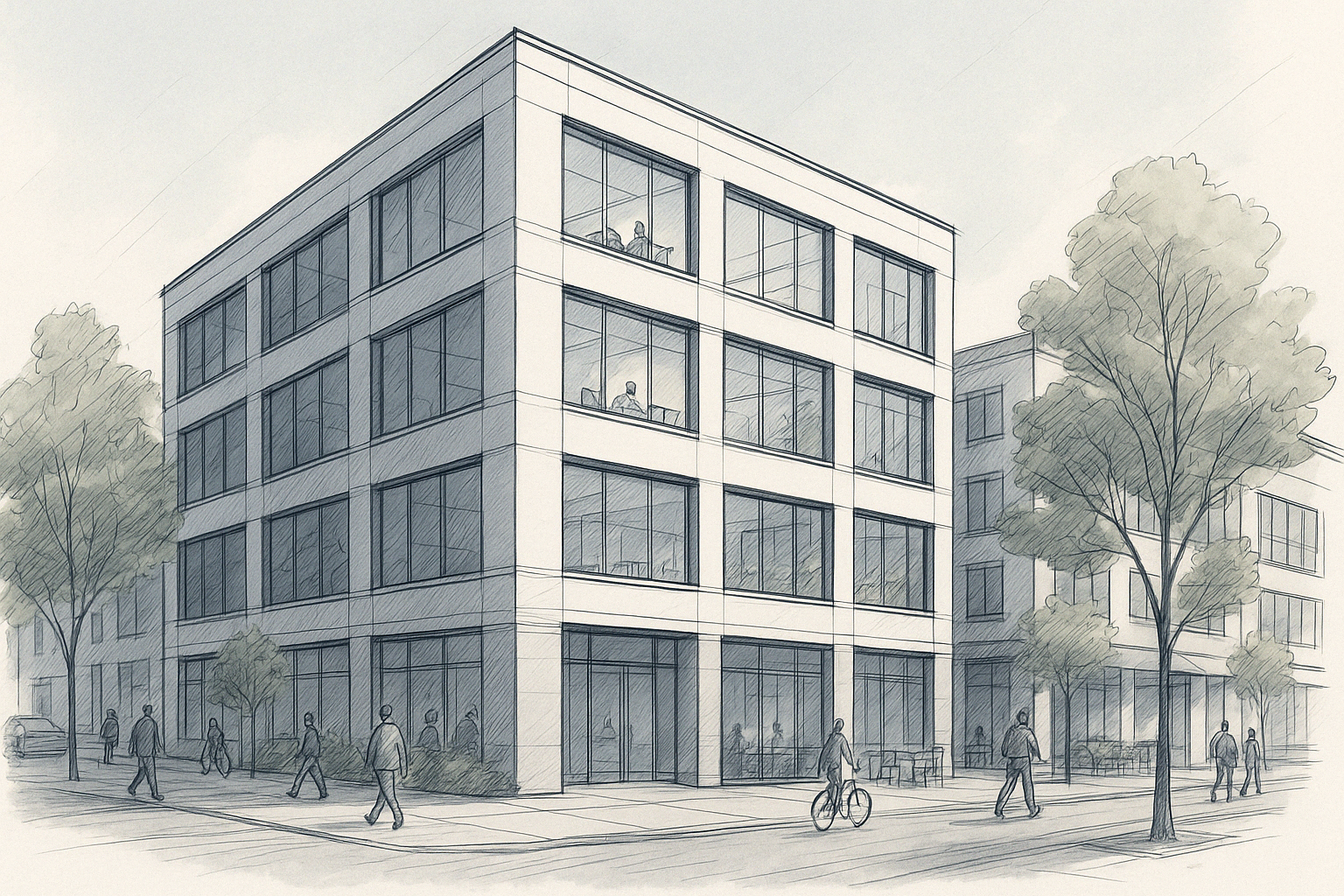
While premium Class A office towers in downtown cores struggle with historically high vacancy rates, previously overlooked Class B and C office spaces—typically older buildings with fewer amenities but lower costs—are experiencing a renaissance, attracting companies seeking flexibility, value, and neighborhood-centric locations.
Market Disruption Creates New Opportunities
“Many landlords are struggling to secure tenants post-COVID,” observes Johnny Yeh, Co-Founder of Veery, a company specializing in flexible workspace solutions. This reality has altered commercial real estate markets nationwide—yet within this challenge, an opportunity has emerged for properties that were once overlooked.
The pandemic fundamentally changed how companies approach office space, creating distinct market segments. Remote work has been widely embraced by freelancers and certain corporate segments, but a different demographic has emerged as the office market’s new core customer base.
The New Sweet Spot: Mid-Sized Teams
“We’re finding more success with teams of five to about 25 employees… because typically, that’s either a new startup, a consultation firm, or a branch office,” notes Yeh. These mid-sized teams embody the hybrid work model—large enough to need dedicated space but small enough to remain flexible in their real estate decisions.
What makes this segment particularly interesting is their approach to selecting office space. “They’re moving into Class B buildings, but want the Class A experience,” Yeh observes. This desire for premium amenities in more affordable buildings is reshaping how landlords position their properties and invest in upgrades.
The appeal extends beyond price considerations. “What we’re finding is the similarity between Class B buildings and some of the really nice Class C properties is locations,” says Yeh. These buildings often occupy neighborhood-centric areas with walkable amenities that have become increasingly important to today’s workforce.
Location Redefined: The Neighborhood Advantage
The real estate principle of location hasn’t disappeared—it’s evolved. Premium locations are no longer defined solely by proximity to downtown cores or transit hubs, but by neighborhood amenities and quality of life factors. Companies are prioritizing locations that help them attract and retain talent by offering an appealing environment beyond just the office itself.
An interesting dynamic fueling demand for flexible Class B and C spaces comes from the venture capital ecosystem. “We have many good partners like VC companies that provide valuable insight on recently invested companies,” Yeh shares. These newly funded startups represent ideal tenants for flexible office spaces in Class B buildings—they need professional environments to grow their teams but aren’t ready for long-term leases in premium buildings.
Despite early predictions that remote work would eliminate office demand entirely, the reality has proven more nuanced. “Before the pandemic, there were discussions about remote work, but I think many employees still want to participate in office culture,” observes Yeh. This desire for connection explains why hybrid models have become the dominant approach for many companies.
The Future Outlook
As the market continues to evolve, several trends appear likely to shape the future of Class B and C office spaces. Property owners are increasingly investing in amenities and technology integration that was once reserved for premium properties. Meanwhile, Class B and C buildings in emerging neighborhoods stand to benefit from broader urban development as companies prioritize locations that appeal to employees.
The shift toward more flexible lease structures is also notable, with traditional 5-10 year leases becoming less common in favor of more adaptable arrangements that accommodate changing business needs.
For investors and property owners willing to adapt to these changing demands, Class B and C office buildings represent not just a viable alternative to struggling Class A towers, but potentially the most promising segment of the commercial office market today.
As industry leaders like Yeh have noted, the office isn’t becoming obsolete—it’s evolving. In this evolution, properties once considered secondary are finding new relevance and purpose. For forward-thinking investors and property owners, Class B and C spaces aren’t just surviving—they’re leading the way in redefining the future of work.
The path to acquiring distressed properties in New York City involves far more than just negotiating with banks, according to Sean Sedaghatpour, Principal of Elisheva Realty. He says success...
Secondary markets across Kentucky have faced a persistent valuation problem that has blocked development for 20 years, according to James Church, a commercial real estate agent and CCIM cand...
While some investors are steering clear of markets showing negative rent growth, one asset management executive argues this broad-brush approach misses crucial submarket distinctions that co...
Vallist, a premium flexible workspace operator, is changing how landlords approach office leasing through white-label partnerships and management agreements, according to co-founder and CEO ...
The commercial real estate default crisis is deeper than official bank reporting suggests, according to Bill Bymel, founder and CEO of First Lien Capital LP. While major banks currently repo...
While housing affordability dominates headlines and rectangular apartment blocks multiply across urban landscapes, one development firm is charting a different course. Cedar Street Partners ...