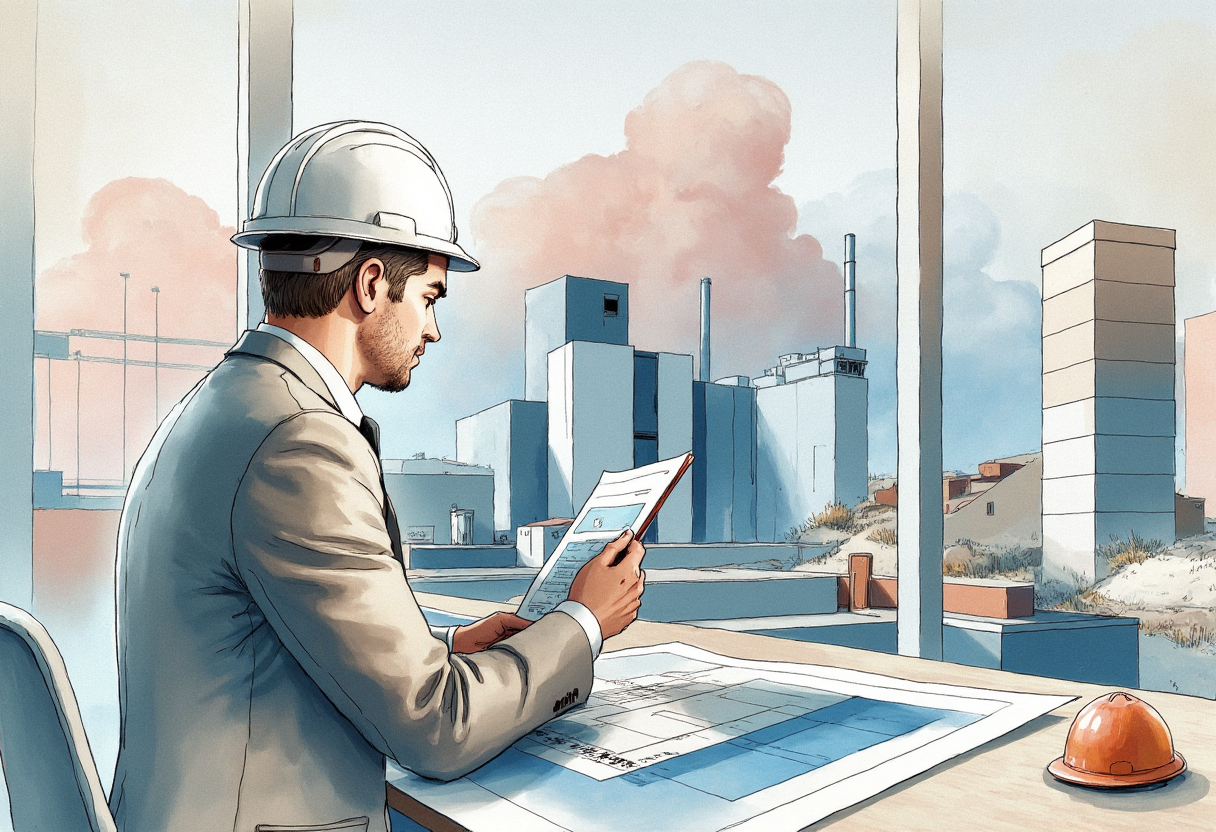
The industrial development boom that followed COVID-19 has created an unexpected backlash, according to Michael Mayhew, Vice President at Commonwealth Commercial Partners, with communities and municipalities now pushing back against the very developers who helped drive economic growth.
Mayhew notes that during the early COVID period, industrial projects faced few obstacles and could be built in a wide range of locations. He says that dynamic has shifted, arguing that today’s challenges stem from how successful the sector has been over the past several years.
The NIMBY Movement Gains Traction
Mayhew says that the lenient conditions that enabled rapid industrial growth during the pandemic have now shifted toward coordinated community resistance. Local residents are pressuring county boards to oppose new projects, reflecting a broader rise in NIMBY sentiment.
Citizen pushback has begun to generate meaningful political pressure on local leaders, Mayhew explains. County supervisors who previously embraced industrial growth are now more cautious, particularly when projects require rezoning. As a result, proposals that might have sailed through a few years ago are facing greater scrutiny and, in some cases, resistance from officials who are responding to their constituents’ concerns.
The shift represents a dramatic change from the COVID era, when industrial projects faced minimal resistance. “We’ve built so many of these things that citizens, community members, have pushed back,” Mayhew notes.
Municipalities Shift Infrastructure Costs
The political pressure has led to a fundamental change in how municipalities approach industrial development, according to Mayhew. Where local governments once subsidized infrastructure to attract projects, they’re now demanding developers pay their own way.
Mayhew notes that municipalities are increasingly shifting infrastructure costs onto developers, requiring them to fund water, sewer, and other utilities for their sites. This represents a major change in the economics of industrial development, as infrastructure projects – which were once often financed by municipal bonds and paid off over time – must now be covered by developers upfront.
The New Selectivity in Project Approval
Mayhew explains that municipalities are now much more selective about the industrial projects they approve. Projects tied to advanced manufacturing, pharmaceuticals, or other high-paying job sectors are favored, while typical warehouse operations face greater scrutiny and less enthusiasm from county officials than in previous years.
This selectivity creates a new form of scarcity in industrial development – regulatory rather than physical. According to Mayhew, projects that would have sailed through approval processes just a few years ago now face significant hurdles.
The Irony of Success
Mayhew suggests that developers are facing the unintended fallout of their past success. Extensive industrial growth has triggered significant citizen pushback, and municipalities are now imposing greater scrutiny and restrictions on new projects.
The irony, according to Mayhew, is that the industrial development that helped communities weather the economic disruption of COVID-19 is now being constrained by the very success it generated.
Adapting to the New Reality
The changing regulatory environment is forcing developers to adapt their strategies, Mayhew suggests. Projects must now demonstrate higher community value – through job creation, tax revenue, or advanced manufacturing capabilities – to gain approval.
For developers willing to navigate this new landscape, the regulatory constraints may actually create opportunities by limiting competition and reducing speculative development. However, Mayhew warns that the overall effect may be to slow industrial development at a time when demand remains strong.
Whether this regulatory tightening represents a temporary correction or a permanent shift in how communities approach industrial development remains to be seen, but Mayhew suggests the days of easy approvals are likely over for the foreseeable future.