

“We’re experiencing a strong buyer’s market with abundant inventory. There’s an imbalance—many sellers, fewer buyers,” explains Todd Siegrist, a seasoned Real...

East Hampton Tackles Housing Crisis Through Innovation and Partnership

Written by:
Date:
19 Dec 2024
Share via Facebook

Share via Linkedin

Share via X

Copy to clipboard

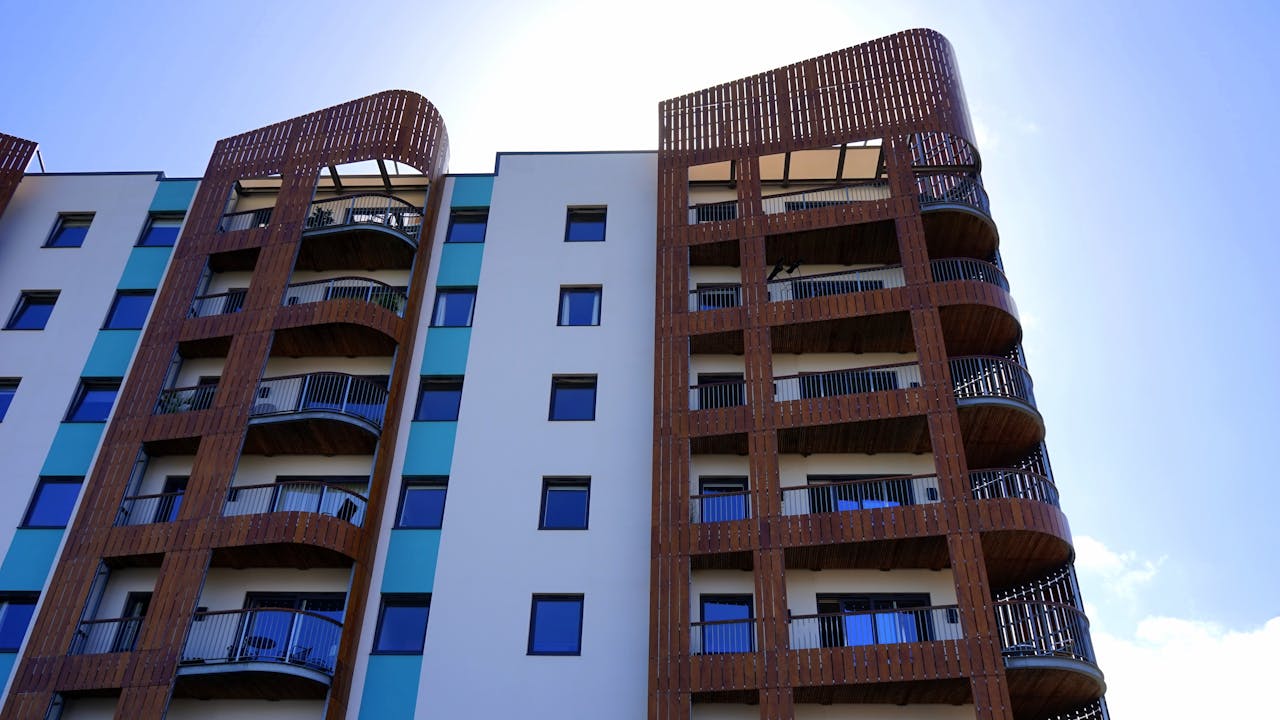
The path to creating affordable housing in one of America’s most exclusive zip codes requires both creativity and persistence, according to Katie Casey, Executive Director of East Hampton Housing Authority. With 25 years of experience in the housing sector, Casey offers unique insights into how this prestigious coastal community is addressing its workforce housing challenges.
A Paradise with Problems
“There has been, historically, a perception that affordable housing is not needed in East Hampton because everyone has tremendous resources,” Casey explains. “But the truth is, the hotter our market gets, the tighter the squeeze on people who have limitations to their resources.”
The geography presents unique challenges. Unlike traditional urban planning models where affordability increases as you move away from the economic center, East Hampton’s peninsula layout – “70 miles of coastline” as Casey describes it – leaves nowhere for workforce housing to naturally develop. This has led to what locals call the “trade parade,” with service workers commuting from as far as 60 miles away on infrastructure not designed for such traffic.
The economics are equally challenging. With vacant land costing approximately $800,000 per acre, developers must convince state lawmakers that $500,000 per affordable housing unit is reasonable – a figure that could buy a comfortable home outright in many other New York State communities.
Solutions in Motion
Despite these obstacles, several significant projects are underway. The Housing Authority is completing “The Green at Gardner’s Point,” a 50-unit rental property on Three Mile Harbor Road, which includes eight project-based Section 8 units. Additionally, they’re in contract to purchase a nine-unit property and have received six and a quarter acres from the town for a 50-unit development in Wainscott.
A particularly innovative solution came in 2022 when East Hampton voters approved a 0.5% real estate transfer tax, with only the first $650,000 of each transaction exempt. “In a year, that fund has collected over $8 million,” Casey notes. “That money is dedicated to the creation and preservation of affordable housing.” This local funding source allows for nimble responses to market opportunities, crucial in a fast-moving real estate market.
The Power of Partnership
Casey is a strong advocate for public-private partnerships in addressing housing challenges. “The private market for-profit sector and government offices each have their strengths,” she explains. “If you take those two skill sets and put them together, you can effectively, on budget, in a timely manner, deliver quality projects.”
The Housing Authority’s successful collaboration with Georgia Green Ventures exemplifies this approach. These partnerships help navigate both the bureaucratic hurdles of government projects and the profit-driven constraints of private development.
The need for such housing is clear – the Housing Authority’s only vacancies occur during unit turnover, with new developments quickly reaching full occupancy. With projects in the pipeline potentially delivering hundreds of new units over the next three years, East Hampton is demonstrating that even in America’s most expensive markets, creative solutions to affordable housing are possible through political will, innovative funding, and strategic partnerships.
Similar Articles
Explore similar articles from Our Team of Experts.