
Industry expert argues rising costs are forcing innovation in transaction fee structures. The convergence of record-high home prices and mortgage rates has created an unprecedented affordabi...

Why This Jersey Shore Mayor Says Master-Planned Communities Outperform Suburban Sprawl

Written by:
Date:
05 Mar 2026
Share via Facebook

Share via Linkedin

Share via X

Copy to clipboard


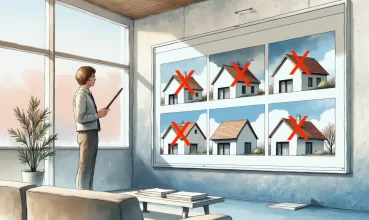
Tim Kriebel doesn’t just see houses when he looks at new developments — he sees whether people will need to drive every time they want a gallon of milk. For him, that’s the key problem with most suburban development: it forces residents into their cars for nearly every daily need.
Kriebel is the mayor of Ventnor City, a 10,000-resident beach town in Atlantic County, New Jersey. With a background in industrial design, he focuses on how people actually use spaces rather than just how they look on paper. Over the past decade, Kriebel has become convinced that the future of effective development isn’t more cul-de-sacs and strip malls, but walkable, master-planned communities where daily life doesn’t require a car.
“No one ever said, ‘Boy, I really love that drive to the mall,’” Kriebel says. Instead, people talk about the farmers’ market they can bike to, or the brewery they can walk to after dinner. This philosophy is shaping how he approaches development in Ventnor and influences his perspective on growth across the region.
What Sets Master-Planned Communities Apart
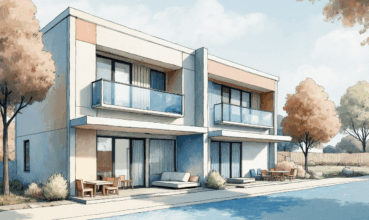
Master-planned communities aren’t just neighborhoods with more houses. They are designed from the beginning to combine different types of housing — such as single-family homes, townhomes, and apartments — with commercial spaces like shops, restaurants, and offices, as well as public amenities including parks, trails, and gathering areas, all within a walkable area.
The goal is for people of different ages and incomes to live, work, and shop in the same place. Instead of building subdivisions where everyone drives ten minutes to buy groceries, these communities put the grocery store, daycare, and office within a short walk from home.
Kriebel points to a proposed development in Delaware called Cold Spring Crossing as an example. The project plans to include workforce housing, mid-range homes, single-family houses, retail, restaurants, and a lake. “The common denominator is we all have to shop for groceries,” he says. “We all like a movie every once in a while. We all like to be part of a community of diversity.”
In Ventnor, a similar project is underway: an old school building is being converted to ground-floor restaurants and offices, with 33 townhomes behind it. The aim is the same, create a place where people can live and gather without needing a car for every errand.
Why Walkability Drives Value
Walkability has become a major value driver for buyers and investors. Homes near downtowns, parks, and transit are holding value better than isolated suburban properties, especially as remote work leads people to reconsider where they want to live.
Kriebel saw this play out during the COVID-19 pandemic. Ventnor’s 20,000 seasonal homeowners, who previously spent only summers at the Shore, began moving in year-round. Many sold their primary homes elsewhere and made their beach houses their main residence.
What made this shift possible? Ventnor had invested in walkable, year-round amenities: a restored 1920s theater that doubles as a restaurant and bar, a weekly farmers market, free public concerts, a boardwalk for biking and walking, and a cluster of restaurants within walking distance.
“People want to be around other people,” Kriebel says. “That community and social engagement is what people remember.”
The result: property values increased, permits for new construction rose, and builders who previously overlooked Ventnor began competing for lots.
What Buyers Should Ask
For those considering a home purchase — whether as a primary residence, second home, or investment — Kriebel recommends several key questions:
- Can I walk to anything useful, such as a coffee shop, park, grocery store, or school? If not, you’re buying into car dependency, which can limit your lifestyle and reduce resale appeal.
- Is the town investing in infrastructure? Look for communities adding bike paths, improving sidewalks, building parks, or supporting local businesses. These investments show a commitment to long-term livability.
- Is there a mix of housing types? Communities with apartments, townhomes, and single-family homes attract a broader range of residents, which helps stabilize the local market.
- Are new amenities opening? New businesses like breweries, coffee shops, or daycares signal growing demand and neighborhood momentum.
Kriebel also advises watching for an uptick in renovation or construction permits. “A spike in renovation or new construction permits usually means investors see potential,” he says.
A New Direction
For decades, American development separated houses, shops, and offices, forcing residents to drive everywhere. That model is losing appeal, especially with buyers who want more flexibility, less time in the car, and a stronger sense of community.
Master-planned communities provide an alternative. Mayors like Kriebel are betting that demand will continue to grow for places where daily needs are within walking distance and public spaces encourage social interaction. “These are the places everyone will be talking about next year,” he says.
For buyers and investors, the lesson is clear: focus on walkability, mixed-use development, and towns investing in gathering places — not just subdivisions. Communities that offer these features are more likely to hold value as preferences change.
About the Expert: Tim Kriebel is the Mayor and Commissioner of Public Safety for Ventnor City, New Jersey. With a background in industrial design and custom cabinetry, he applies creative problem-solving to municipal planning. His priorities include walkable downtowns, adaptive reuse of historic buildings, and creating year-round, livable beach communities.
This article is based on information provided by the expert source cited above. It is intended for general informational purposes only and does not constitute legal, financial, or real estate advice. Readers should conduct their own research and consult qualified professionals before making any real estate or financial decisions.
Similar Articles
Explore similar articles from Our Team of Experts.