While many mountain towns experienced dramatic swings during the pandemic — bidding wars followed by sudden slowdowns — Santa Fe, New Mexico, charted a different course. The city’s real estate market remained stable, avoiding the boom-and-bust cycles that left buyers and sellers scrambling in places like Boise or Aspen.
When COVID-19 hit in 2020, remote work drove a surge in demand for resort and second-home destinations. Many markets saw prices skyrocket, then drop sharply as interest rates rose and the frenzy faded. In contrast, Santa Fe saw consistent demand, modest price growth, and little of the volatility that defined other mountain towns.
What explains this resilience? According to Chris Webster, CEO and Publisher of Leading Estates of the World and a broker with Sotheby’s International Realty in Santa Fe, three factors set the city apart: natural scarcity, a distinct lifestyle, and a buyer base focused on long-term value rather than speculation.
Natural Barriers Keep Growth Predictable
Santa Fe’s geography is the foundation of its steady market. Millions of acres of protected land surround the city: Santa Fe National Forest and the Pecos Wilderness to the east, Pueblo reservations to the north and south, and Bureau of Land Management holdings to the west. These barriers sharply limit where new homes can be built.
“Santa Fe is a desert island,” Webster says. “Public lands, national forests, and Pueblo reservations surround us. You can’t just expand forever.”
As a result, Santa Fe’s population has grown slowly — doubling from about 45,000 in the early 1970s to roughly 90,000 today. That’s a modest increase compared to the rapid expansion seen in many Sun Belt cities. The steady, limited growth keeps inventory tight and prevents the kind of rapid overbuilding that can trigger sharp price swings.
“People think there’s endless open space to develop,” Webster adds. “But it’s protected. You can’t build on it.”
This built-in scarcity means homes are rarely over-supplied. Prices tend to rise gradually rather than spike, and the market avoids the speculative surges and crashes seen elsewhere.
A Steady Market
National headlines during the pandemic highlighted mountain towns and resort areas where prices soared, then dropped as market conditions changed. In Santa Fe, the increase in demand was noticeable but measured.
“After the first few months of COVID, demand shot up,” Webster says. “But it wasn’t speculative. People were looking for land, open space, and a sense of place.”
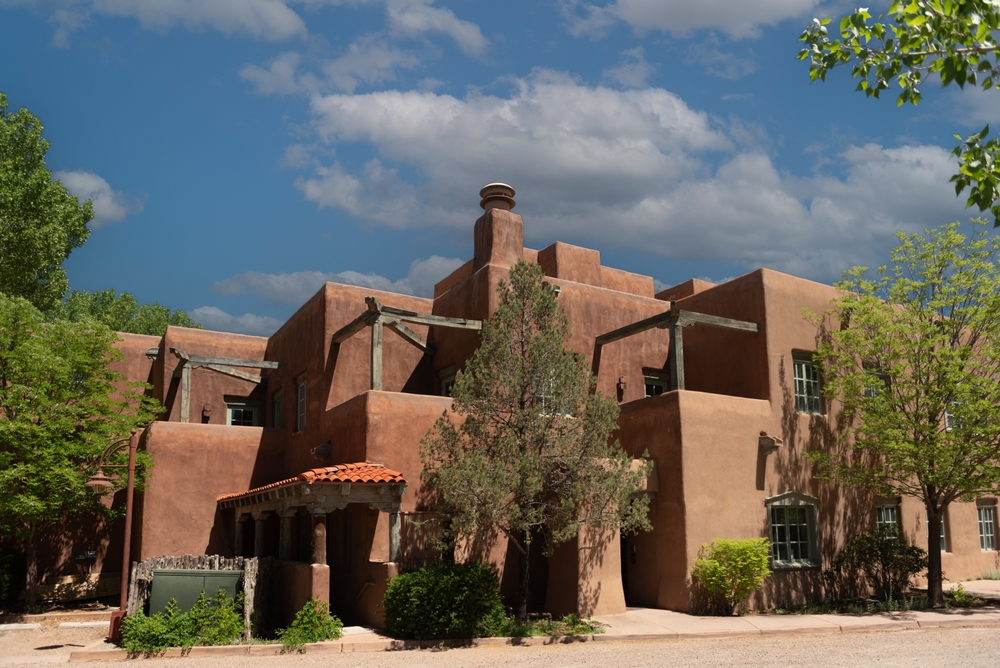
Santa Fe’s appeal isn’t just about remote work or escaping crowded cities. The city’s 400-year-old adobe architecture, rich indigenous culture, and established community give it a unique character. Buyers are drawn by the lifestyle and history, not just by temporary trends.
Santa Fe’s global recognition reinforces this identity. The city won the international “Sense of Place” award in Switzerland five years ago — still the only city to do so — and was named Travel + Leisure’s top city in the U.S. last year.
“It soothes the spirit,” Webster explains. “And that’s not marketing talk. People feel it.”
Buyers Focused on Longevity
Santa Fe’s market is shaped by buyers who are in it for the long haul. The city attracts high-net-worth individuals, collectors, artists, and second-home owners who prioritize quality of life over quick returns. These buyers aren’t chasing the next hot market — they’re looking for a place with enduring value.
Webster’s career reflects this trend. He began as an art dealer in the 1970s, working with clients who wanted to put down roots in Santa Fe. Many of those early buyers were drawn to the city for its culture and landscape, not for speculative investment opportunities.
“These aren’t people chasing the next hot market,” Webster says. “They’re looking for something they can’t find anywhere else.”
This long-term mindset creates stability. When interest rates rose in 2022 and 2023, Santa Fe didn’t see a wave of panic selling. Most owners held onto their properties, and buyer demand remained steady, though at a slower pace.
What Buyers and Sellers Should Expect Now
For those considering Santa Fe real estate, several realities shape today’s market:
– Inventory will remain limited. With natural and legal barriers to new construction, buyers should act quickly when a suitable property becomes available. Waiting for a flood of new listings is unlikely to pay off.
– Prices will move gradually. The market rarely sees sharp increases or sudden drops. This benefits sellers seeking stable appreciation, but it’s less attractive to short-term investors seeking quick gains.
– Lifestyle, not speculation, drives demand. Santa Fe appeals to those looking for a unique, lasting home rather than a fast profit. Buyers focused on investment returns may find better opportunities elsewhere.
– Climate events elsewhere may boost demand. Each time major hurricanes, wildfires, or other disasters hit other regions, more buyers look to Santa Fe for its relative safety and stability.
Looking Ahead
Santa Fe’s real estate market avoided the pandemic’s extremes because of its geography, deep-rooted culture, and the priorities of its buyers. For those seeking a stable market that values longevity and patience, Santa Fe stands out as a place where real estate is about more than just price movements — it’s about finding a home with lasting value.
About the Expert: Chris Webster is CEO and Publisher of Leading Estates of the World and a broker with Sotheby’s International Realty in Santa Fe, New Mexico. With 50 years in luxury real estate, he specializes in high-net-worth buyers and estate properties across the Southwest.
This article is based on information provided by the expert source cited above. It is intended for general informational purposes only and does not constitute legal, financial, or real estate advice. Readers should conduct their own research and consult qualified professionals before making any real estate or financial decisions.