Farmington Hills has overhauled its zoning code, updated its master plan, and begun actively courting new development over the past several years. The changes respond to post-pandemic shifts...

Why Inspection Issues Are Derailing Real Estate Deals in Northern New Jersey's Competitive Market

Written by:
Date:
16 Mar 2026
Share via Facebook

Share via Linkedin

Share via X

Copy to clipboard

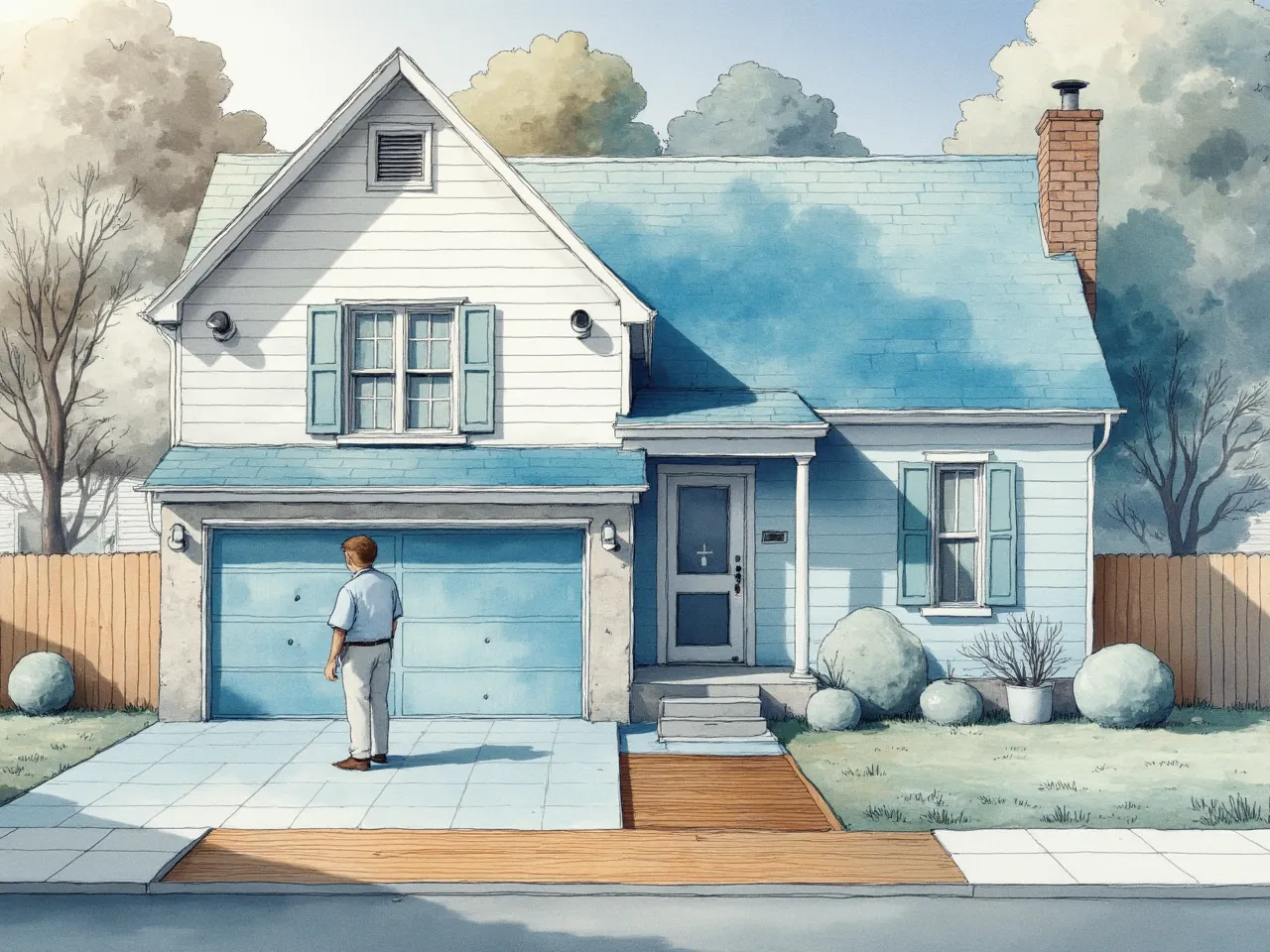
Inspection-related problems are the leading cause of failed real estate deals in Northern New Jersey, with sewer line cracks and other structural issues stopping transactions even after buyers and sellers have agreed on price and terms. According to Joseph Scotto, a realtor at CENTURY 21 Cedarcrest Realty in Morris County, New Jersey, the highly competitive market is pushing buyers to make offers before fully understanding a property’s condition, turning inspection findings into deal breakers rather than points for negotiation.
Scotto explains that buyers often have little recourse when significant problems are uncovered after an offer is accepted. “Inspection related. Usually, there’s an inspection concern,” Scotto says. “That would be primarily number one” for why deals fall apart.
Sewer Line Failures Are Among the Most Common Inspection Deal Breakers in Northern New Jersey
Sewer line failures have become one of the most frequent inspection issues causing deals to collapse in Northern New Jersey. Unlike cosmetic flaws or minor repairs, a cracked or broken sewer line typically requires immediate remediation that can cost tens of thousands of dollars. For buyers already stretching their budgets to compete, these unexpected costs can be prohibitive.
A sewer line problem often comes to light only after a buyer commissions a sewer scope inspection, which is typically optional and performed after the initial offer is accepted. When a failure is discovered, buyers face three options: walk away from the deal, negotiate a price reduction, or accept the financial burden of repairs. In a seller’s market, sellers have little incentive to negotiate or offer concessions, knowing that another buyer is likely willing to accept the property as-is. This dynamic has created a growing mismatch between what buyers expect after an inspection and what actually occurs in negotiations.
Scotto notes that many buyers assume they can negotiate repairs or a price reduction after an inspection, but sellers are often unwilling to make concessions. Buyers must either absorb the full cost of repairs or terminate the contract.
Northern New Jersey’s Fast-Moving Market Is Forcing Buyers to Skip Due Diligence
A key factor driving inspection-related deal failures is the pace of the market. Homes in Northern New Jersey routinely receive multiple offers within days of listing. Buyers who insist on pre-offer inspections risk losing out to those who move faster. This environment forces buyers to make offers with incomplete information, increasing the risk of discovering serious problems only after contracts are signed.
Scotto uses his construction background to help clients spot potential issues during initial showings, aiming to avoid unpleasant surprises later. “I try to point those things out before we do a home inspection so a client can make an educated offer going into a deal,” he says.
While this approach can help buyers make more informed decisions, it still relies on visual assessments rather than formal inspections. Hidden problems may go unnoticed until after the offer is accepted and the formal inspection process begins. The need to act quickly often outweighs the desire for thorough due diligence, leaving buyers frequently caught off guard by costly repairs.
This pattern stems directly from the area’s ongoing inventory shortage. With few homes available, buyers feel pressure to act quickly and accept greater risk. The result is not only higher prices but also an increased likelihood of deal failures and buyer’s remorse.
Financing Complications Remain a Consistent Secondary Cause of Deal Failures
While inspection problems are the primary reason deals fall through, financing complications remain a consistent secondary challenge. Buyers who enter the market with pre-approval letters can still encounter issues during underwriting, particularly if their financial situation changes or if the home appraisal falls below the agreed sale price.
Many buyers are stretching their financial limits to make competitive offers. If buyers face unexpected expenses or lenders tighten their standards, deals can fall apart late in the process. Even buyers with strong pre-approvals and sizable down payments, typically at least 20 percent, can face difficulties if the home does not appraise at the contract price. In those cases, buyers must either bring additional cash to closing or attempt to renegotiate, both of which can jeopardize the transaction.
Northern New Jersey Buyers Now Shoulder More Risk as Sellers Hold the Advantage
The rise of inspection-related deal failures signals a clear shift in risk from sellers to buyers in Northern New Jersey. In a more balanced market, buyers have leverage to negotiate repairs, and sellers are motivated to address issues to keep the deal on track. Sellers can move on to the next buyer if concessions are requested, leaving buyers to either shoulder the cost of repairs or lose their earnest money, depending on contract terms.
Scotto notes that this environment is prompting buyers to be more strategic about which issues to challenge and which to accept. “Buyers are being cautious when buying a home, because of how high the property values have been,” he says.
This caution stems from a recognition that the market is unforgiving to buyers who overextend themselves or skip due diligence. With inventory expected to remain tight and prices still elevated, the trend of inspection-related deal failures shows no sign of reversing. Buyers must navigate a market where information gaps and risk imbalances are becoming standard features rather than temporary conditions.
The prevalence of costly inspection findings and financing hurdles means buyers in Northern New Jersey must approach each transaction with greater scrutiny and financial discipline. The market rewards buyers who can move quickly while still accounting for hidden risks, a balance that will remain critical as long as inventory shortages and high prices persist.
Similar Articles
Explore similar articles from Our Team of Experts.