When the 2008 financial crisis left Skyler Hartman fired from a job at Kimberly Clark, where he worked as an industrial electrician, it sparked an entrepreneurial awakening. “Ever sinc...

Why Developers Are Looking an Hour Outside the Twin Cities and Finding Land Ready to Build

Written by:
Date:
06 Mar 2026
Share via Facebook

Share via Linkedin

Share via X

Copy to clipboard

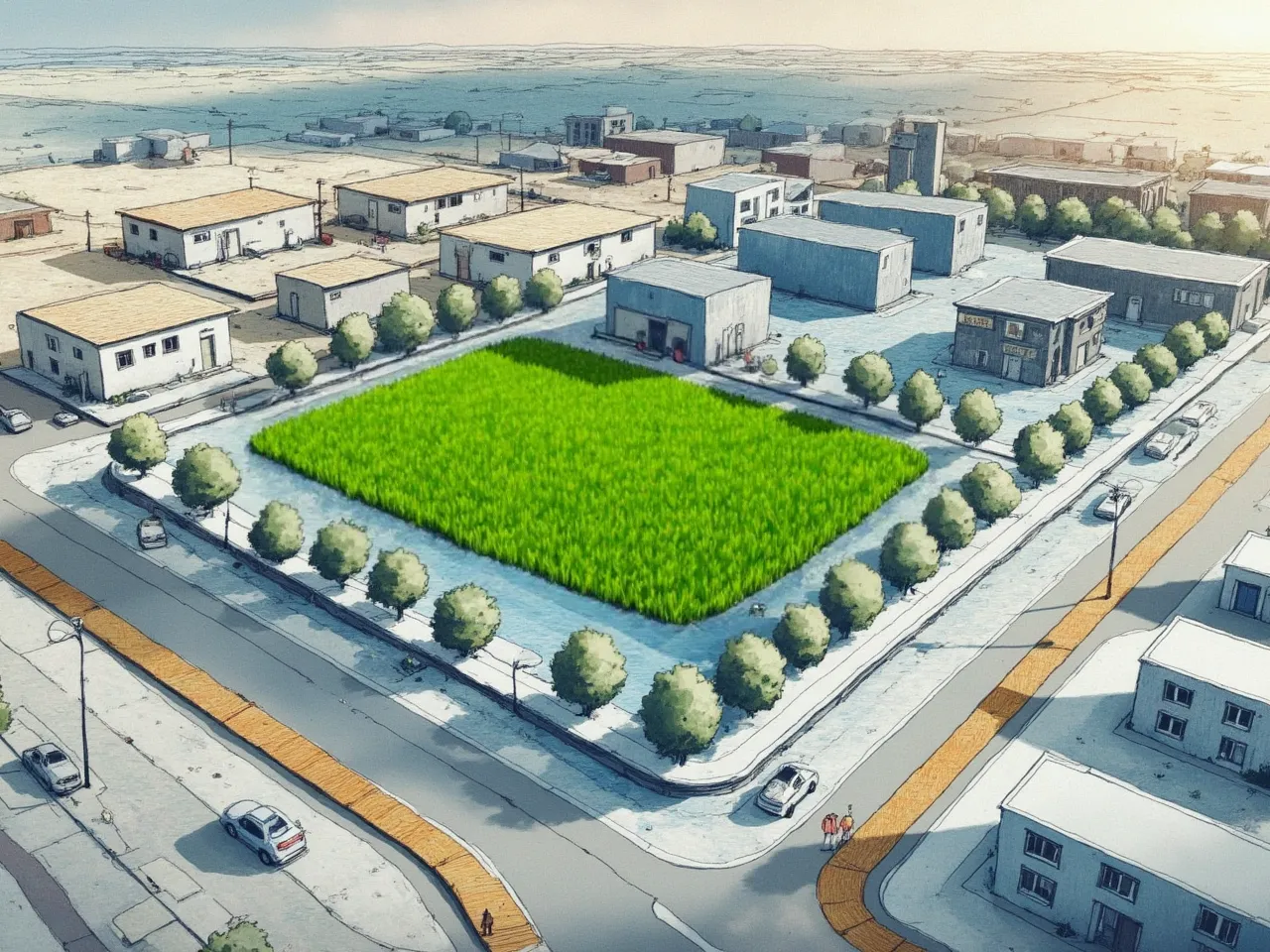
Amery, Wisconsin, about an hour from Minneapolis–St. Paul is one of many small cities actively seeking housing and business development. Unlike rural towns that merely express interest in growth, Amery is putting land and incentives directly on the table.
The city owns nearly 20 acres of developable land within its limits, fully serviced with water, sewer, and electricity. City officials are looking for builders, manufacturers, or investors interested in developing 10,000 to 50,000 square feet of commercial or residential space. Because the city controls the land, it can offer flexible terms.
“We control the destiny, and we’re not exactly a for-profit entity,” says Alex Mansfield, City Administrator for Amery. “We’re looking for what is best for the community, and are willing to make a deal.”
For developers and small investors, this kind of arrangement is uncommon. There is no bidding war with other buyers, negotiations happen directly with a city motivated to see new projects built.
What Amery Is Offering
Amery is not passively waiting for interest; the city is proactively marketing its parcels and providing incentives to make projects financially viable.
Key offerings include:
City-owned land with utilities in place. Water, sewer, and electricity are already available, eliminating the need for costly infrastructure extensions or lengthy approval processes.
Tax increment financing (TIF). The city operates multiple TIF districts that can help offset upfront development costs or provide ongoing financial incentives.
Negotiable terms. With direct ownership of the land, the city can work with developers on pricing, terms, and timelines. “We’re not a bank, we’re not a developer, but we’re able to do things within the confines of our laws and our financial situation,” Mansfield says.
Amery recently completed a 42-unit subdivision using a 50-50 cost-sharing model for public infrastructure. The project finished under budget, and homes began selling before construction was complete. The city is open to similar arrangements for future residential or mixed-use developments.
For businesses in light manufacturing or service sectors, the 18 acres of city-owned land are a primary draw. The city is specifically seeking facilities in the 10,000 to 50,000 square-foot range that create jobs and expand the tax base.
Why Small Cities Are Competing for Developers
Amery’s approach is part of a growing trend among small cities within an hour of major metro areas. These communities recognize that they can attract development by lowering barriers and offering real incentives.
The advantages are concrete. Land is less expensive, zoning processes are more straightforward, and cities are motivated to negotiate because they need new residents and businesses to sustain local economies.
Amery has a base of established manufacturers, a local hospital, and several primary employers. However, it lacks sufficient housing, especially market-rate rentals and entry-level homes. There is also unmet demand for childcare facilities, and the city is seeking to diversify its economic base by attracting additional manufacturers.
“We have land, we just need somebody willing to put forward, and the city can be a partner,” Mansfield says. For developers, the benefits are clear: lower land costs, fewer regulatory obstacles, and a city willing to share in infrastructure expenses. In return, Amery gains new housing, more jobs, and an expanded tax base.
What Developers Should Know
Developers considering projects in small cities like Amery should look for several indicators:
City-owned land. Direct city ownership allows for flexible pricing and terms, which can be a significant advantage over private land sales.
Utilities in place. Having water, sewer, and electric already installed reduces both cost and project timelines.
TIF districts. These can be used to offset initial development costs or provide longer-term incentives. Developers should ask about available TIF options.
Clear zoning. Amery is currently rewriting its zoning code to simplify rules and make them easier to navigate, signaling a genuine commitment to attracting new projects.
Willingness to negotiate. While small cities are not lenders, they can act as partners. If city leaders are motivated, they will work to structure agreements that suit both parties.
Amery Is Betting on Growth
Amery is relying on a combination of available land, incentives, and straightforward regulations to attract the housing and business development it needs. The city’s location, an hour from the Twin Cities and surrounded by lakes and riverfront, adds to its appeal, as does a local workforce with experience in manufacturing and distribution.
Demand for new housing is evident, and the city has land ready for development. What remains is for developers to take advantage of the opportunity.
“I think smaller towns are primed, especially ones that are within that hour’s diameter of a major metropolitan area, that are looking to expand and looking to be a place to set up shop,” Mansfield says.
For developers and investors, the opportunity is direct: lower costs, minimal competition, and a city willing to negotiate. Those frustrated by high land prices and intense competition in major metros may find better prospects just outside city limits.
The Bottom Line
Amery, Wisconsin, stands out among small cities seeking new housing and business development for combining available land, financial incentives, and a cooperative approach. For developers and small investors, this is a rare mix: lower costs, less competition, and a city ready to partner on projects.
As demand for new housing and business locations continues near major metro areas, cities like Amery are positioning themselves as practical alternatives. For those looking to build or invest, now is the time to consider what’s available just an hour outside the Twin Cities.
About the Expert: Alex Mansfield is City Administrator for the City of Amery, Wisconsin. He oversees city operations, budgeting, and development projects, and works directly with developers on land deals and incentives.
This article is based on information provided by the expert source cited above. It is intended for general informational purposes only and does not constitute legal, financial, or real estate advice. Readers should conduct their own research and consult qualified professionals before making any real estate or financial decisions.
Similar Articles
Explore similar articles from Our Team of Experts.

Real Estate Investment, Commercial Real Estate, Market Analysis & Policy, Perspectives, Industry News
The idea that regional banks have pulled back entirely from commercial real estate lending oversimplifies the reality, according to Stephen Haase, Director of Capital Markets at Greysteel. W...