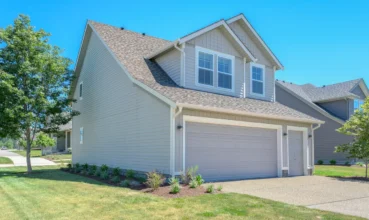
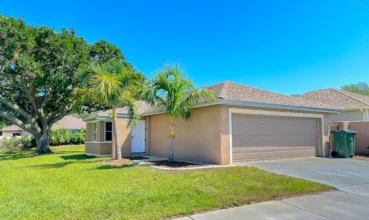
Aggressive financing and bundled perks from production builders are creating a growing problem in mid-market residential real estate, trapping recent buyers in homes they cannot resell at market value. According to one Pensacola-area agent, this challenge is especially acute in the $300,000 to $400,000 segment, where production builders dominate, and their incentives distort the normal dynamics of supply and demand.
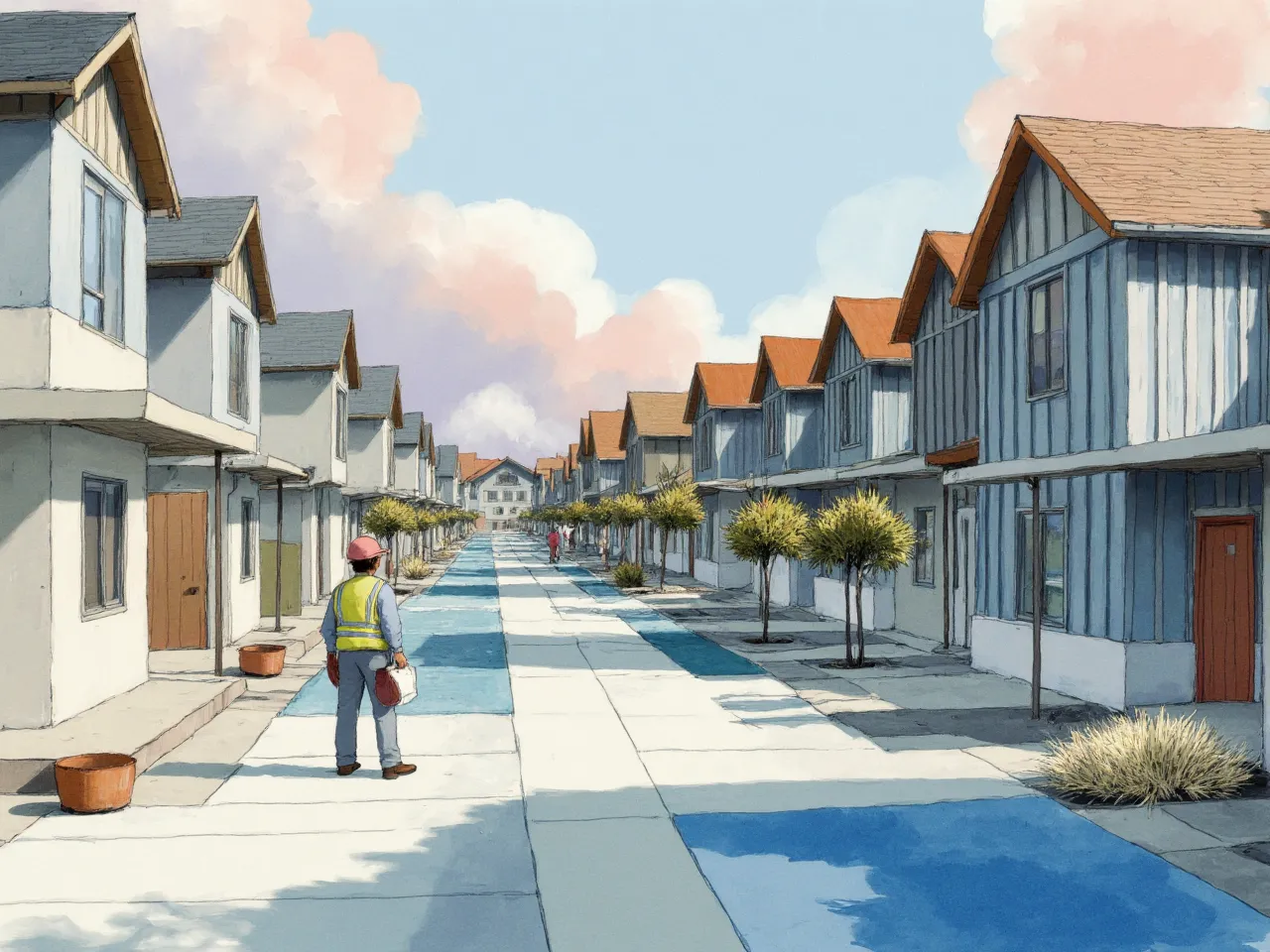
Kathy Batterton, team leader of The Kathy Batterton Team in Pensacola, sees the issue in neighborhoods filled with nearly identical homes. “DR Horton is a prolific production builder,” Batterton says. “They’re offering a 3.99 percent interest rate, plus washers, dryers, blinds – but the houses are all the same, neighborhood after neighborhood, in the $300,000 to $350,000 range.”
The problem surfaces when owners of these homes try to sell after just a few years. Batterton explains that buyers overwhelmingly prefer new construction, especially when they can still access builder-subsidized mortgage rates and extra incentives. “Two years later, now they’re still competing against that same builder. Buyers don’t want the resale – they want the new construction because they can still get 3.99 percent and all these other things,” she says. “So why would they buy the resale?”
The Inventory Trap
In markets saturated by production builders, resale homes become nearly impossible to sell unless owners are willing to take a significant loss. Batterton describes the reality facing sellers: “When we get a call about a two-year-old DR Horton house, it’s going to sit unless the owner puts a lot of money down or is willing to lose money.”
The financial strain is most significant for those who bought with low or zero down payments, primarily through VA or FHA loans. Batterton notes that most buyers in her market use these government-backed loans and start with little or no equity. When they need to sell, they lack the financial cushion to lower their price enough to compete with new builder incentives.
The result is a glut of nearly new homes sitting on the market, leading to longer listing times and stagnant prices. “The prices in our area have been fairly stagnant,” Batterton says. “We’re going to have some issues there in that $300,000 to $400,000 range.”
Pressure on Sellers
The presence of multiple, nearly identical homes for sale simultaneously forces sellers to compete solely on price. Batterton recalls a situation with five identical condo units: “Once one seller lowered their price, everyone else followed, trying to be the cheapest. They just kept dropping prices until a few of them couldn’t go any lower and still couldn’t sell.”
This environment has forced agents and sellers to rethink their approach. Batterton says she now vets a seller’s motivation carefully before listing. “This is not a market to be testing the market. You really need to move,” she explains. Casual sellers, or those just “thinking about” moving, are unlikely to succeed.
This builder-driven dynamic is especially pronounced in secondary and tertiary markets like Pensacola, where land is available for large-scale subdivision development. Batterton describes the landscape as “neighborhood after neighborhood after neighborhood” built by the same few companies.
Finding a Path Forward
In response, some agents are focusing on homes with unique features that production builders cannot replicate. Batterton observes that “unusual” or “unique” properties – whether due to lot size, location, or design – still attract multiple offers and can sell at a premium. Differentiation, she says, has become the best defense against the builder-driven inventory trap.
It remains to be seen whether production builders will eventually need to scale back incentives or slow construction in response to saturated markets. For now, the on-the-ground experience suggests that mid-market resale homes face a built-in disadvantage that price cuts alone cannot fix.
The current market environment is forcing sellers and agents to adapt quickly. In areas dominated by production builders, only those with a strong need to sell – or a truly distinctive property – are likely to succeed. For others, the combination of aggressive builder incentives and a flood of similar inventory is making resale nearly impossible, trapping owners in homes they cannot move without taking a loss.