
“Our first mission is educating people and providing that kind of reality to create consciousness that this is something for everyday needs,” says Andrés Mishaan, Co-Founder and...

Westport’s Inventory Shortage Reshapes Connecticut’s Luxury Market

Written by:
Date:
26 Jan 2026
Share via Facebook

Share via Linkedin

Share via X

Copy to clipboard

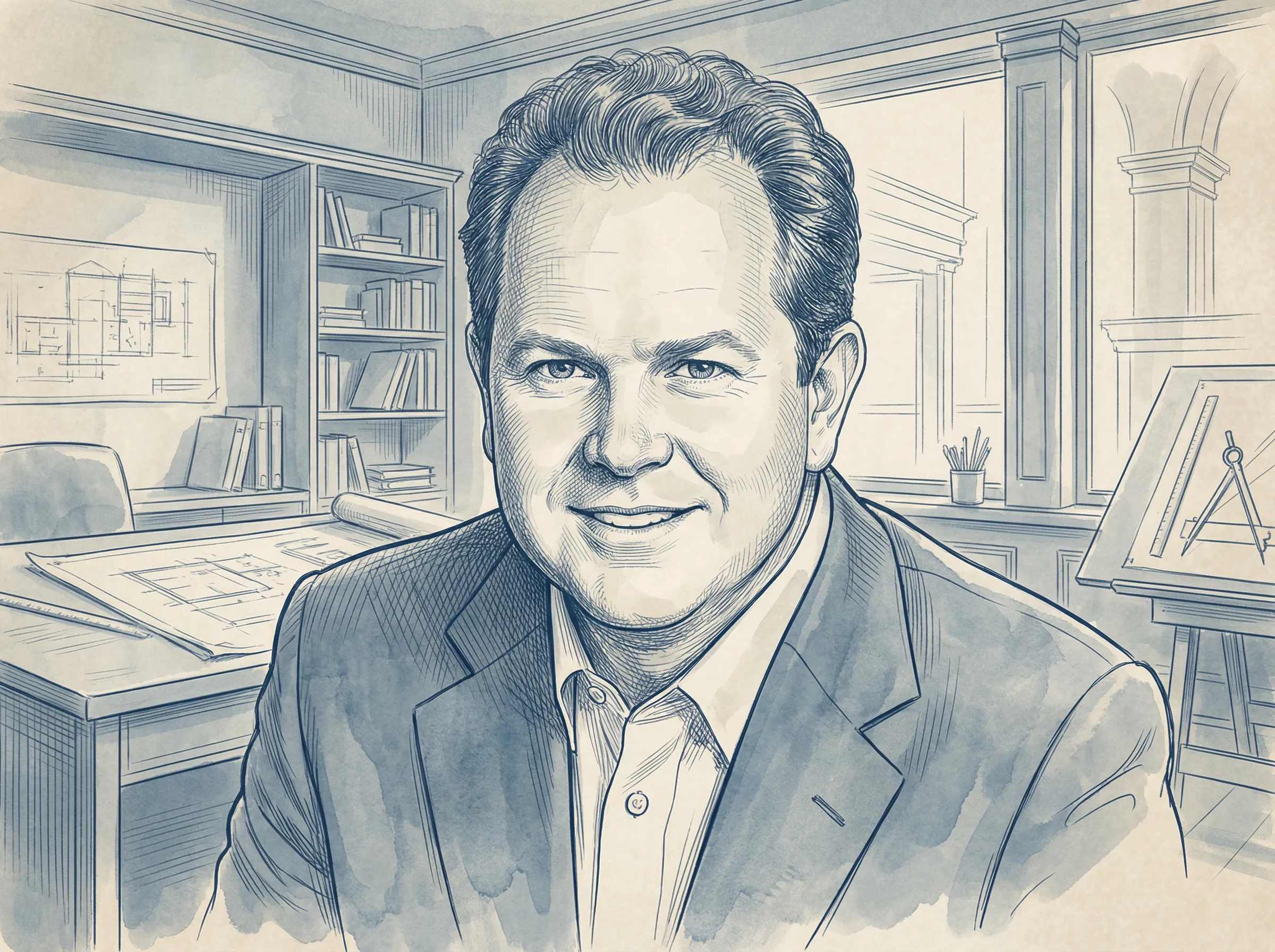
The Fairfield County real estate market continues to operate under conditions that differ sharply from the pre-pandemic era. Inventory levels remain near historic lows, and expectations of a return to “normal” have yet to materialize. Todd Gibbons, founder of Boost Real Estate Group and a veteran of 25 years in Connecticut residential brokerage, has seen these shifts play out across Westport and neighboring towns.
A Market Defined by Scarcity
Westport’s housing market illustrates the depth of the current supply shortage. The number of single-family homes for sale has dropped dramatically—from about 300 at peak to just 50 today. This represents only 10 to 15% of previous inventory levels, a change that has persisted since 2021.
Unlike past cycles, this shortage is not simply the result of economic fluctuations or temporary slowdowns. Gibbons attributes the low supply to physical constraints: nearly all available land in Westport has already been developed. “There’s no availability of land in town. Most of the town has been developed,” he says. “We can’t build our way out of this problem because there’s just not enough home sites to build on.”
The pandemic accelerated a migration pattern that has proven more durable than many expected. Urban residents who left cities during the COVID-19 lockdowns were quickly followed by friends and colleagues, creating a self-reinforcing surge in demand. Many of these buyers had already been considering a move to Fairfield County and used the pandemic as a catalyst to act sooner.
Buyer Behavior Adapts to New Realities
The shortage of homes has fundamentally changed how buyers approach the market. Where buyers once expected to negotiate below the asking price, it is now common to pay the full price or even more, especially for desirable properties. “Buyers’ expectations are not to get a house for below the asking price. Buyers expect to pay the asking price or possibly more,” Gibbons says.
This willingness to accept listed prices mirrors broader trends in consumer behavior, including the rise of online shopping, where prices are fixed and non-negotiable. “We’ve all gotten used to buying things online, and whatever the online price is, that’s what the price is. There’s no negotiation online,” he adds.
Still, the frantic urgency that defined the market during 2021 and 2022 has faded. Buyers today move with greater caution, taking time to evaluate options and feeling less pressure to close quickly. “The buyers in ’21 and ’22 had a more feverish ‘I need to move and get this done’ attitude. Now, buyers are more cautious and feel less pressure. They’re approaching the process more conservatively,” Gibbons explains.
Financing and Deal Structure Adjust to Competition
As competition for homes has intensified, buyers have adapted their financing strategies to strengthen their offers. Many now complete nearly the entire mortgage approval process before making an offer, leaving only an appraisal contingency—or waiving contingencies altogether. Some buyers can proceed without financing conditions, making their bids more attractive to sellers.
Cash buyers have become a much larger segment of the market. Gibbons estimates their share has roughly doubled over the past five years. This increase reflects not just local trends but a broader rise in available capital among affluent buyers. “The number of cash buyers has definitely increased, and people dependent on a mortgage have probably come down,” he observes.
Technology Increases Transparency But Not Precision
Digital listing platforms have made it easier for buyers to monitor new inventory and act quickly. “If you list a property, immediately all the buyers that are out there see it because they’re tracking the market, whether through Zillow, Compass, or other platforms. Our market is fluid because of it,” Gibbons says.
However, technology has its limits. Automated valuation models struggle to account for the diversity of Connecticut’s housing stock, which ranges from centuries-old homes to new construction on varied terrain. As a result, local expertise remains essential for accurate pricing. “It’s tough to use a program like Zillow to sort out how much a house is worth because there are so many variables,” Gibbons notes.
Location Preferences Drive Premiums
Buyers in Fairfield County have become more focused on walkability and proximity to amenities. Homes within easy walking distance of coffee shops, restaurants, beaches, and transit have appreciated more than those in more remote locations. “There’s been a big trend to be closer to amenities, shops, restaurants, and transportation. People like to be able to walk and get a cup of coffee, walk to the beach, walk to shops and restaurants,” Gibbons says.
This shift has created apparent price gaps between “in-town” or “near-town” properties and those farther out. Convenience and lifestyle now outweigh sheer square footage for many buyers, with properties within five minutes of amenities commanding premium values.
Luxury Condo Projects Find Strong Demand
Despite the overall inventory crunch, luxury condominium developments are selling well, particularly those located near town centers. Gibbons points to his current project, which sold seven units in just two to three months after completion. This success reflects changing lifestyle preferences, especially among buyers who value location and amenities over larger single-family homes.
Condo living appeals to a growing segment of buyers who want lower maintenance and easy access to restaurants, shops, and cultural attractions. The trend underscores the broader shift toward convenience and walkability as primary drivers of demand in the luxury segment.
Limited Downside Risk—But External Factors Loom
Looking ahead, Gibbons sees little risk of significant price declines as long as supply remains tight. “For the next 12 months, I don’t think it’s going to change much. Unless a flood of houses comes on the market, you’re not going to see any depreciation,” he says.
The main threat to market stability would come from outside the local real estate sector. Fairfield County’s close ties to New York’s financial industry mean that shocks on Wall Street can have rapid and far-reaching effects. The 2008 financial crisis, which led to 30-40% declines in property values, remains a clear example. However, absent a similar external shock, the current supply-demand imbalance supports continued price stability.
“We have enough buyers for the number of houses that are on the market. We need more houses to come on the market. If more houses come on the market, we could handle that with the buyers that are here,” Gibbons says.
Interest Rate Effects Muted by Life Changes
While rising interest rates have kept some potential sellers from listing—especially those holding low-rate mortgages—life events continue to drive transactions. Job changes, family transitions, and relocations create ongoing market movement. “We have job changes, divorces, and relocations. Kids need bigger houses. Kids move away and need smaller houses. Things keep moving despite people holding onto attractive rates,” Gibbons explains.
Despite expectations that higher rates would slow buyer demand and increase inventory, the market has remained resilient. “We thought that with rates going up, that would cool the market off and we’d get some inventory starting to build. But it hasn’t really seemed to affect us too much,” he says.
Implications for Developers and Investors
For developers and investors, the persistent shortage of homes and sustained buyer demand signal continued opportunity—especially for projects in walkable, amenity-rich locations. Well-located developments, particularly condos and townhomes near town centers, are likely to see strong absorption as lifestyle preferences continue to shift.
Westport’s experience reflects broader trends in affluent suburban markets across the country: tight geographic limits on new construction, strong demographic flows from urban centers, and a growing emphasis on convenience and community. These factors suggest that current market conditions—low inventory, strong demand, and premium pricing for location—are not temporary, but represent a new baseline for the foreseeable future.
For buyers and sellers alike, the key to success in this environment is a realistic understanding of what drives value: location, lifestyle, and the scarcity of truly desirable homes. For those waiting for a return to the pre-pandemic market, the evidence suggests that this new dynamic is here to stay.
Similar Articles
Explore similar articles from Our Team of Experts.

Industry Profiles, Commercial Real Estate, Property Technology, Market Analysis & Policy, Real Estate Investment
“It’s just as easy to do something big as it is to do something small. So you might as well pursue something that truly excites you,” says Matthew Aitchison, quoting Blacks...


The Data Center Revolution: Wired Real Estate Capitalizes on AI-Driven Industrial Real Estate Growth
“This is fundamentally a segment of industrial real estate with physical assets,” explains Everett Thompson, Founder and CEO of Wired Real Estate Group. “What makes it comp...