
Nashville’s evolving luxury market is being reshaped by data-driven insights into coastal migration, according to one of the city’s top-producing agents who spotted early warning...

The Three Waves of Property Management: Understanding Where We Are Now

Written by:
Date:
03 Feb 2026
Share via Facebook

Share via Linkedin

Share via X

Copy to clipboard

Property management has evolved through three distinct waves. Understanding each one helps explain why the industry is at a pivotal moment.
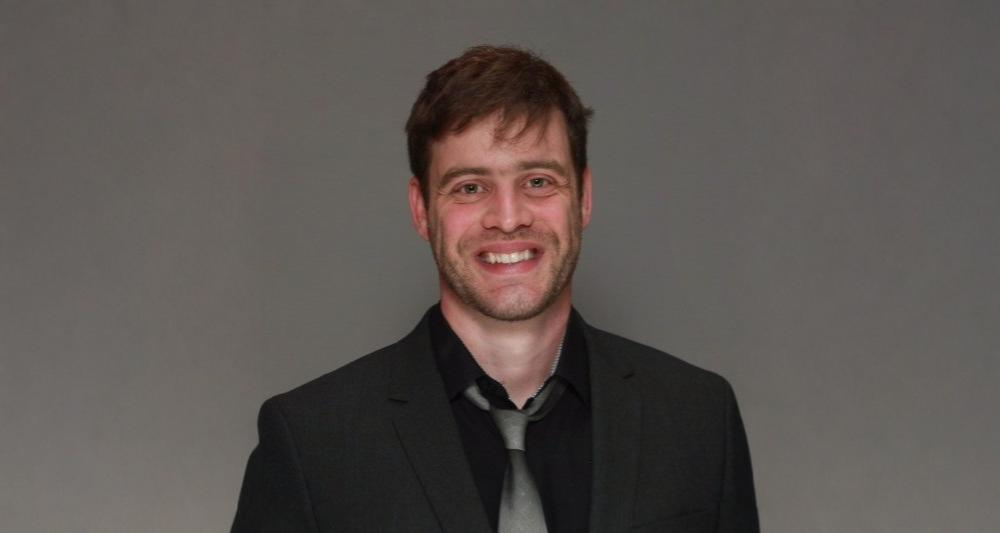
As Ben Handelman, Director of Automation & Operational Intelligence at Keasy, observes: “Property management has gone through two real waves. We’re now entering the third.”
Wave 1: Software-First (The Foundation)
The first wave was about bringing structure to chaos. Dashboards, workflows, and systems of record gave property managers the tools to stay organized and manage complexity.
As Ben describes it: “These tools brought structure and visibility. They helped operators stay organized and manage complexity.”
But there was a fundamental limitation. When something actually happened—a tenant called, a pipe burst, a rent payment was late—someone still had to stop, interpret the situation, and decide what to do next.
Ben puts it clearly: “But when something actually happened, someone still had to stop, interpret the situation, and decide what to do next. The software supported the work. People still owned every decision. Judgment lived outside the system.”
Wave 2: Service-First, Tech-Enabled (The Experience Era)
The second wave shifted focus from internal operations to customer experience. Ben explains: “The focus shifted to experience. Better service. Faster response times. Centralized teams. Modern tools layered on top of operations.”
These models owned outcomes, which mattered. Property managers could offer white-glove service, 24/7 support, and coordinated vendor networks. Landlords got better experiences.
But as Ben notes, there was a hidden constraint: “These models owned outcomes, which mattered. But scale still relied heavily on people. As volume increased, more coordination was required. More edge cases pulled judgment back into humans.”
The result? “Over time, many operations started to resemble call-center-style decision making. Technology improved delivery. Decision-making was still human-first.”
Wave 3: System-First (The Intelligence Layer)
The third wave, as Ben describes it, is “about something deeper. Re-architecting operations so they don’t rely on constantly re-creating judgment as they scale.”
In a Wave 3 model, the system itself holds the intelligence:
- It recognizes recurring situations
- Applies codified rules and thresholds
- Decides the next step automatically when conditions are clear
- Identifies when human involvement is required for empathy, authority, or compliance
Ben emphasizes what makes this different: “The next wave is about something deeper. Re-architecting operations so they don’t rely on constantly re-creating judgment as they scale.”
The key distinction is subtle but crucial: judgment compounds in Wave 3 systems.
When the same situation happens twice in a Wave 2 operation, it requires fresh judgment the second time. Someone has to read the context, remember the policy, and make a call.
In Wave 3, the system recognizes the pattern. If a maintenance request matches known criteria—urgency level, cost threshold, property type, landlord preferences—the system decides the next step automatically. The decision quality doesn’t depend on who’s working that day or how busy they are.
This doesn’t eliminate people. As Ben notes, humans remain essential for “conversations, edge cases, and real-world nuance” as well as situations that require “empathy, authority, or compliance.”
But they’re operating with context and playbooks, not improvising from scratch each time. “If a person steps away, the playbook remains. Decisions stay consistent.”
Why This Distinction Matters
As Ben explains, the difference between these waves isn’t just operational – it’s structural: “The reason this matters is simple: Decisions can compound. Labor cannot.”
In Wave 1, scale was limited by how many accounts one person could track.
In Wave 2, scale was limited by how many situations one team could handle.
In Wave 3, scale is limited by how well the system can encode judgment.
That’s a fundamentally different constraint. Software can compound. Labor cannot.
The Challenge Ahead
Ben is direct about what makes Wave 3 difficult: “The hard part isn’t demand. It’s resisting services creep. Every edge case wants a human. Every shortcut wants labor. Every growth jump tests discipline.”
He outlines what success looks like: “The companies that win will be the ones where: Human judgment per unit goes down as they grow. Decisions live in systems, not people. Services exist to execute, not to think.”
At Keasy, this means being intentional about where the value lives. As Ben puts it: “Services are the delivery. The value lives in the system.”
We’re still early in this transition. Most property management operates in Wave 1 or Wave 2. But the economics are clear: as AI capabilities mature, the competitive advantage shifts to those who can systematize judgment while keeping humans in the loop where they matter most.
The question isn’t whether Wave 3 will happen. It’s who will build it intentionally, and who will be disrupted by it.
In Wave 1, scale was limited by how many accounts one person could track. In Wave 2, scale was limited by how many situations one team could handle. In Wave 3, scale is limited by how well the system can encode judgment.
That’s a fundamentally different constraint. Software can compound. Labor cannot.
Similar Articles
Explore similar articles from Our Team of Experts.