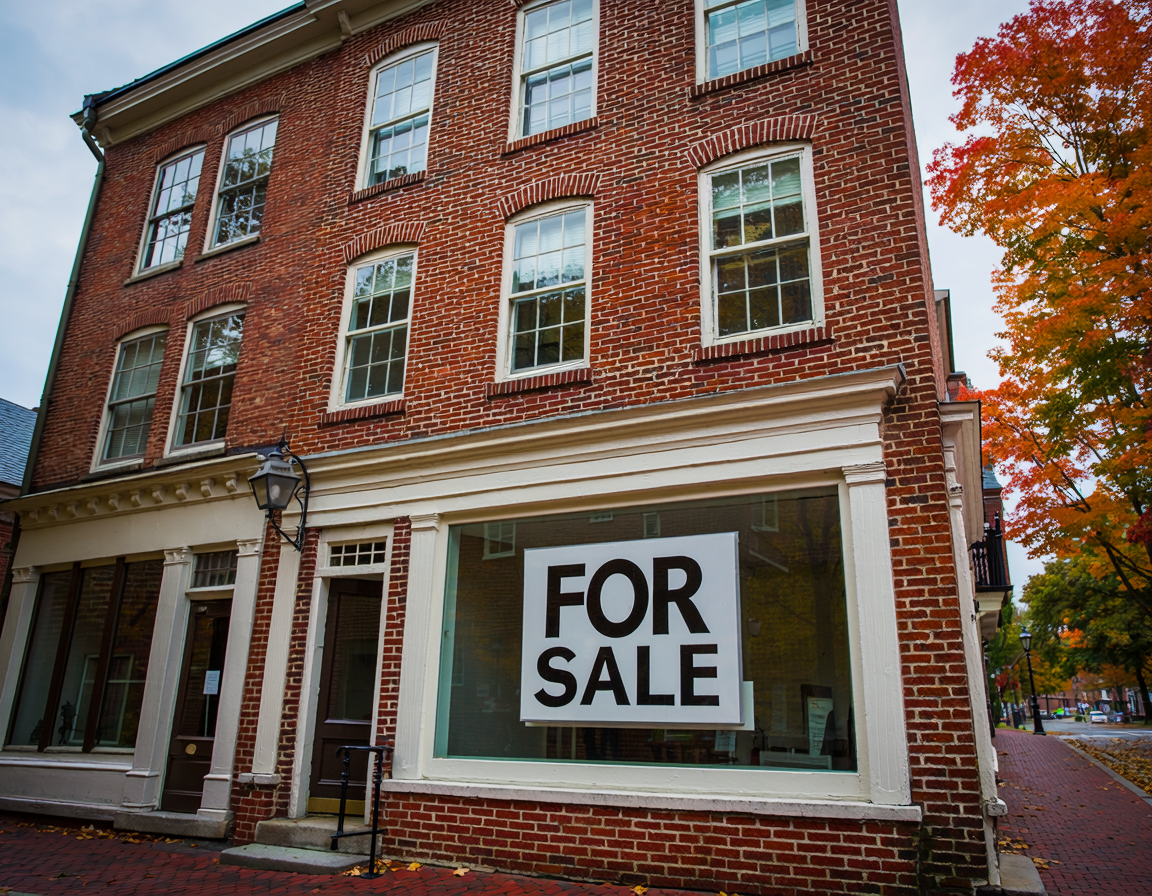
Most developers think of retail leasing as something that starts once a space is ready to market. Ann Ehrhart, a Boston, Massachusetts retail strategist and founder of EVERSTREET, says that in mixed-use development it starts much earlier, during entitlements.
“By the time the for-lease sign goes up, many of the decisions that will determine success and outcomes have already been made,” she said.
The Decisions That Shape Leasing Happen Early
Where the retail sits, how it’s configured, how customers reach it, what infrastructure it has, and how much capital is underwritten all influence which tenants will realistically occupy the space. Those choices are usually settled long before a broker is involved.
That means the success or failure of a storefront is often decided at the planning table, years before the first tenant tour. A project can have a strong vision and still struggle to lease if the physical space doesn’t match what the market can support.
Designing the Product Before Knowing the Customer
Ehrhart says retail is often treated as a design exercise. The team sets the amount of retail, the architect draws the storefronts, someone works out how the spaces can be divided, and then the project goes to market to see who wants them.
“You’re designing a product before you’ve established who the customer for that product is, and that’s really backwards,” she said.
Understanding market demand early answers basic questions. What uses can this location support? What sizes do those tenants need? What infrastructure and access will they require? What do the economics need to be? The physical plan should respond to those answers, Ehrhart said, rather than asking the market to adapt to what’s already been drawn.
Why Early Mistakes Get Expensive
A storefront that is too deep, poorly positioned, or missing the infrastructure needed for the most viable uses may be fixable. Not always, Ehrhart said, and even when it is, the fix usually comes at a steep cost.
The further a project moves through design and construction, the fewer options ownership has. Changes cost more money, and they cost time, including the time spent unwinding decisions that weren’t right to begin with. Because retail decisions are expensive and difficult to reverse, she said, the best time to reduce leasing risk is before those decisions are locked in.
Getting Merchandising, Design, and Underwriting to Line Up
Successful retail isn’t only about picking good tenants. Ehrhart says merchandising, design, and underwriting all have to align with what the market can actually support.
“The merchandising determines what you’re trying to create. Design makes it physically possible. Underwriting makes it economically viable,” she said. If one gets too far ahead of the others, execution becomes much harder.
For developers in early planning, that translates into a few practical steps: study market demand before finalizing retail square footage and layout, confirm which uses the location can support and what those tenants need physically, and underwrite rents and improvement dollars to match. EVERSTREET builds this work into the Assess and Plan phases of its Activate Your Street framework, which take place before construction and before leasing begins.
The goal, Ehrhart said, isn’t to predict every future tenant before a shovel goes in the ground. “It’s to make informed decisions that preserve the right options when leasing begins. Retail leasing doesn’t start when the space hits the market. It starts when you’re deciding what to build.”
About EVERSTREET
EVERSTREET is a Boston-based retail strategy, leasing, and advisory firm serving developers, investors, and municipalities. Its proprietary Activate Your Street™ framework helps clients align merchandising, design, and underwriting with location to reduce retail risk and build long-term asset value.
This article is based on information provided by the expert source cited above. It is intended for general informational purposes only and does not constitute legal, financial, or real estate advice. Readers should conduct their own research and consult qualified professionals before making any real estate or financial decisions.
This article is intended for informational purposes only and does not constitute legal, financial, or investment advice. The views and opinions expressed herein reflect those of the individuals quoted and do not represent an endorsement of any company, product, or service mentioned. Readers should conduct their own due diligence and consult qualified professionals before making any investment decisions.