The Chicago suburb of Oak Park offers a clear example of the national housing shortage, with a dramatic drop in available homes reshaping the market for both buyers and sellers. During what should be the busiest spring season, weekly broker tours that once featured 16 to 25 new listings now sometimes showcase just one property, or none at all. This scarcity has forced a major adjustment in how participants approach the market in one of the region’s most sought-after communities.
Deborah Wess, a Berkshire Hathaway HomeServices Chicago Realtor with nearly a decade of experience in Oak Park, says the current market bears little resemblance to past cycles. Buyers must now expect to bid above the asking price and adjust their search criteria downward, often looking at homes priced well below their mortgage pre-approval amount. “Every buyer now for a single-family home has to be prepared to go over list price,” Wess says. “They have to look at properties under what they’re approved for, because they’ll need to use extra funds to compete.”
Urban Suburb Appeal Drives Demand
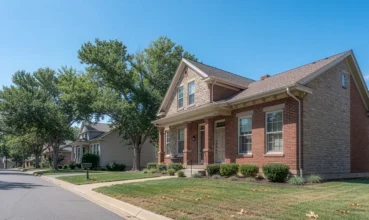
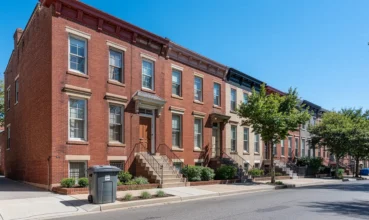
Oak Park’s appeal stems from its unique status as what Wess calls an “urban suburb.” As the first suburb west of Chicago, it draws buyers seeking the amenities and character of suburban living without sacrificing access to the city. Two train lines connect Oak Park directly to downtown, and the community is known for its independently built homes — most over a century old — rather than subdivisions.
The area’s architectural legacy, including works by Frank Lloyd Wright and a large collection of preserved Victorian homes and Chicago-style bungalows, remains a key draw. “We’re world famous for our architecture. Frank Lloyd Wright started here,” Wess notes. This combination of historic homes and convenient location keeps demand high and inventory consistently low.
Changing Buyer Demographics
The lack of available homes has changed who competes for what, especially at the entry level. First-time buyers — who nationally are older due to affordability issues — now find themselves in direct competition with downsizers seeking smaller homes. “Our first-time buyers are really competing against downsizers,” Wess observes. The result is bidding wars not just between new buyers, but also with older residents looking to stay in the community while moving to a more manageable property.
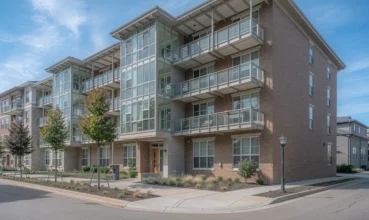
Oak Park also attracts older adults relocating to be near family, typically searching for condos, as well as a surprisingly resilient luxury segment. “Our luxury houses are moving very fast,” Wess reports, noting that higher-end buyers have the resources to secure properties quickly, even as broader economic uncertainty persists.
How Agents Make Offers Stand Out
As bidding above list price becomes the norm, agents are using new tactics to help clients succeed. Wess has found that focusing on the seller’s net proceeds — rather than simply offering the highest price — can make a difference. “I was very successful last year with my buyers in multi-offer situations,” she says. “It wasn’t because we were the highest offer. We were over list price, but not the highest. We put together a package of incentives to ensure the seller walked away with the highest net.”
This approach often involves waiving contingencies, offering flexible closing dates, or covering seller costs. Wess credits her background as an elementary school teacher for her ability to educate clients and navigate the emotional side of these high-stakes negotiations.
Buyer Fatigue and the Psychological Toll
The prolonged inventory shortage is wearing down prospective buyers. Many who have lost out on multiple homes have dropped out of the market entirely. “I think they’re discouraged,” Wess says. “There may be buyers who put in offers on five or seven houses or more, and were not the winning offer, and they’ve given up.”
This fatigue represents a hidden consequence of the crisis: even qualified buyers are leaving the market, shrinking the pool of active participants and further distorting the supply-and-demand balance.
Why Sellers Are Staying Put
Low interest rates are often blamed for the lack of listings, but in Oak Park, deeper community ties are a major factor. Many homeowners, especially younger baby boomers in good health, have invested significant time and money in their homes and see little reason to leave. “Sellers in my market love it here,” Wess explains. “They’ve fixed up their home, got it just the way they want it. They don’t have a physical need to move. They love where they are, they love their friends, they love their community.”
This creates a feedback loop: potential sellers hesitate to list because they see nothing available to buy, especially in a market where homes are likely paid off and comfortable. As a result, turnover slows further, reinforcing the shortage.
Affordability and Community Identity at Risk
The sustained high prices in Oak Park have sparked concern about the community’s future. “A lot of people in Oak Park are very concerned that we’re not an affordable community anymore, and is that who we want to be?” Wess says.
With the village surrounded by established neighborhoods and no open land for new development, options for increasing supply are limited. “We’re landlocked—we don’t have huge tracts of land to build housing,” she notes. As long as Oak Park remains desirable, prices are likely to remain elevated, benefiting sellers but excluding many would-be buyers.
For first-time buyers unable to compete, Wess’s advice is blunt: “They are going to have to look in suburbs farther west or farther south from downtown Chicago until they find a price range that fits.”
Economic Outlook and Market Resilience
Wess keeps a close eye on broader economic signals, noting a slight recent dip in mortgage applications. “Economic uncertainty is never good for the housing market, and I think the current administration’s economic policies and decisions are often capricious and are not giving consumers economic confidence,” she says. Despite this, she expects high-end buyers to remain active. “People who have deep pockets are going to be able to proceed no matter what.”
Adapting to a New Market Reality
For buyers entering Oak Park’s market today, success requires a different mindset and tactics. Traditional negotiation strategies are less effective, and most buyers must prepare for several failed offers before finally securing a home. The market is no longer as sensitive to factors like property taxes or minor flaws—securing any home has become the priority. “Right now, it’s just getting a house at all,” Wess says.
Oak Park’s experience shows how severe supply constraints can upend the typical rules of real estate in highly desirable suburbs. When fundamentals like architectural character, location, and amenities remain strong, inventory can stay tight for years, fundamentally changing how the market operates.
For real estate professionals in similar markets, Oak Park demonstrates the need to educate clients about current conditions, develop creative offer strategies, and manage expectations when traditional approaches fall short. The ongoing inventory crunch also raises broader questions about long-term affordability and community character—issues that are likely to intensify as demographic and economic pressures persist.
Looking ahead, Oak Park’s housing market offers a preview of the challenges many desirable suburbs may face: persistent shortages, rising prices, and a growing divide between those able to buy and those left out. Without new solutions, the community’s strengths may become barriers to entry, forcing buyers and sellers alike to adapt to a new — and likely lasting — reality.