For more than two years, market watchers in the greater Houston area have been bracing for a surge of foreclosures. The logic seemed sound: pandemic-era moratoriums expired, interest rates jumped, and homeowners who stretched too thin would inevitably fall behind. But the wave hasn’t arrived – at least not in the form anyone predicted. What’s trickling through instead tells a different story about who is actually in trouble and why.
Steven Kjol, Realtor and Team Lead at The Fidelis Group with Coldwell Banker Realty, covers northwest Houston and the Lake Conroe corridor. He works extensively with investors on distressed and renovated properties, giving him direct visibility into the foreclosure pipeline. “I’m waiting for the surge of foreclosures to come. Still. I haven’t really seen them,” Kjol says.
Accidental Landlords, Not Traditional Homeowners
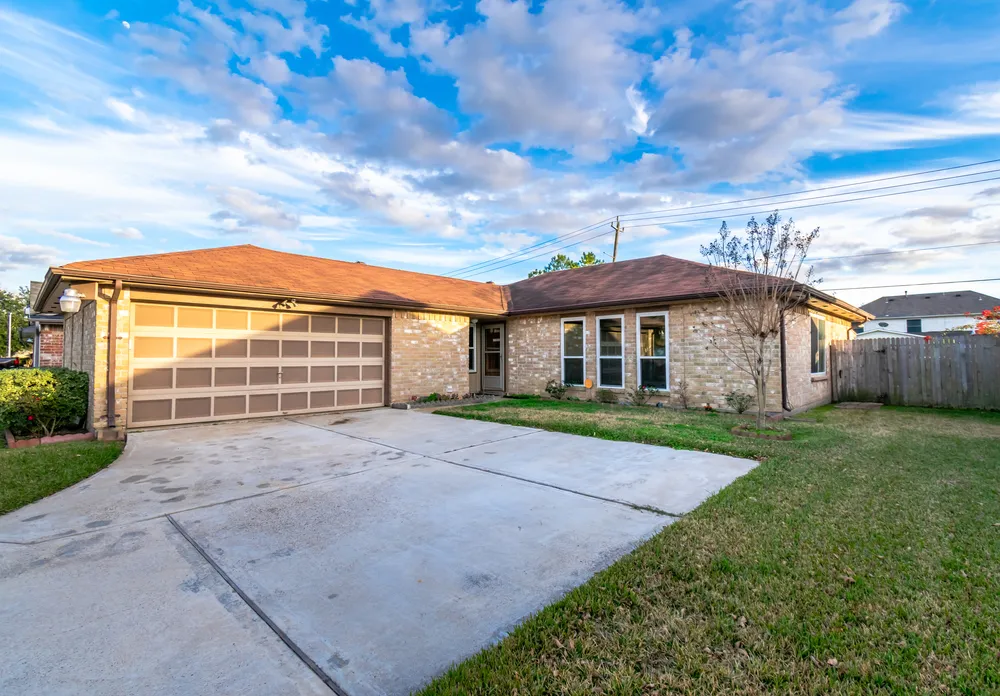
The distressed properties that are appearing follow a specific pattern. They aren’t primary residences where a family lost a job and fell behind on payments – the scenario that defined the post-2008 crisis. Instead, Kjol says the properties showing up as distressed are overwhelmingly investment homes owned by people who became landlords almost by accident.
When mortgage rates dropped below three percent, homeowners who were ready to move up saw an opportunity. Rather than selling their starter home, they kept it as a rental. A couple hundred dollars a month in positive cash flow looked like easy supplemental income. The problem, Kjol observes, is that many of these new landlords had no experience managing tenants or absorbing the costs that come with ownership – “not knowing the perils of being a landlord,” as he puts it.
Then reality intervened. Pandemic-era moratoriums allowed tenants to stop paying rent while the landlord still had to pay the mortgage. Even after moratoriums ended, some tenants couldn’t or wouldn’t resume payments. Eviction timelines stretched. Maintenance costs piled up. For someone relying on rental income to cover a second mortgage, the math collapsed quickly.
The result: Kjol has seen a growing number of properties listed by wholesalers where “it’s very evident that it was a landlord that wasn’t paying their mortgage.” The tenants got evicted as the owner slid toward foreclosure. These homes often show deferred maintenance and tenant damage – not the kind of properties that sell easily at market value.
Why the Broader Wave Stalled
If accidental landlords are the primary source of distress, that explains why the expected flood hasn’t materialized for primary residences. Homeowners who locked in low rates on their primary home and stayed put face no payment shock. Their mortgage didn’t adjust. Their equity, even if it’s come down from pandemic peaks, still provides a cushion.
Kjol points to another factor keeping the wave in check: Houston’s investor community is large and active. Tax foreclosures are getting canceled because investors step in to help owners avoid the final stage. Wholesalers pick up pre-foreclosure deals before they hit the courthouse steps. The market absorbs distress in small doses rather than letting it pool into a crisis.
That absorption capacity separated Houston from harder-hit markets after 2008. Back then, Kjol recalls, the sheer volume overwhelmed available buyers, “there weren’t enough investors or buyers to take them on.” Today, with more capital chasing fewer distressed deals, the pipeline stays manageable.
What This Means for Buyers and Investors
For home buyers in northwest Houston, the absence of a foreclosure wave means dramatic discounts on primary residences are unlikely in the near term. Prices have softened and days on market have lengthened, but fire-sale conditions may not arrive in this cycle.
For investors, the opportunity is narrower than expected and concentrated in a specific property type: former rentals owned by overleveraged accidental landlords. These homes often need significant renovation and may come with title complications from the foreclosure process.
Kjol notes he’s seeing more activity from the HUD Home Store and more option-contract deals – signs that distress exists but is being processed through channels other than traditional foreclosure auctions. Whether this trickle becomes a larger flow depends on where interest rates go next and whether job losses push primary-residence owners into default. For now, Houston’s investor ecosystem is absorbing what comes through before it can pile up.
About the Expert: Steven Kjol is a Realtor and Team Lead at The Fidelis Group with Coldwell Banker Realty, covering northwest Houston and the Lake Conroe corridor. He works extensively with investors on distressed and renovated properties.
This article is intended for informational purposes only and does not constitute legal, financial, or investment advice. The views and opinions expressed herein reflect those of the individuals quoted and do not represent an endorsement of any company, product, or service mentioned. Readers should conduct their own due diligence and consult qualified professionals before making any investment decisions.