A year ago, Naples condos moved quickly, with buyers snapping up units amid steady demand and relatively predictable monthly costs. That dynamic has now reversed. While single-family home pr...

The 7 Features Tampa Luxury Buyers Demand Before Price

Written by:
Date:
03 Mar 2026
Share via Facebook

Share via Linkedin

Share via X

Copy to clipboard

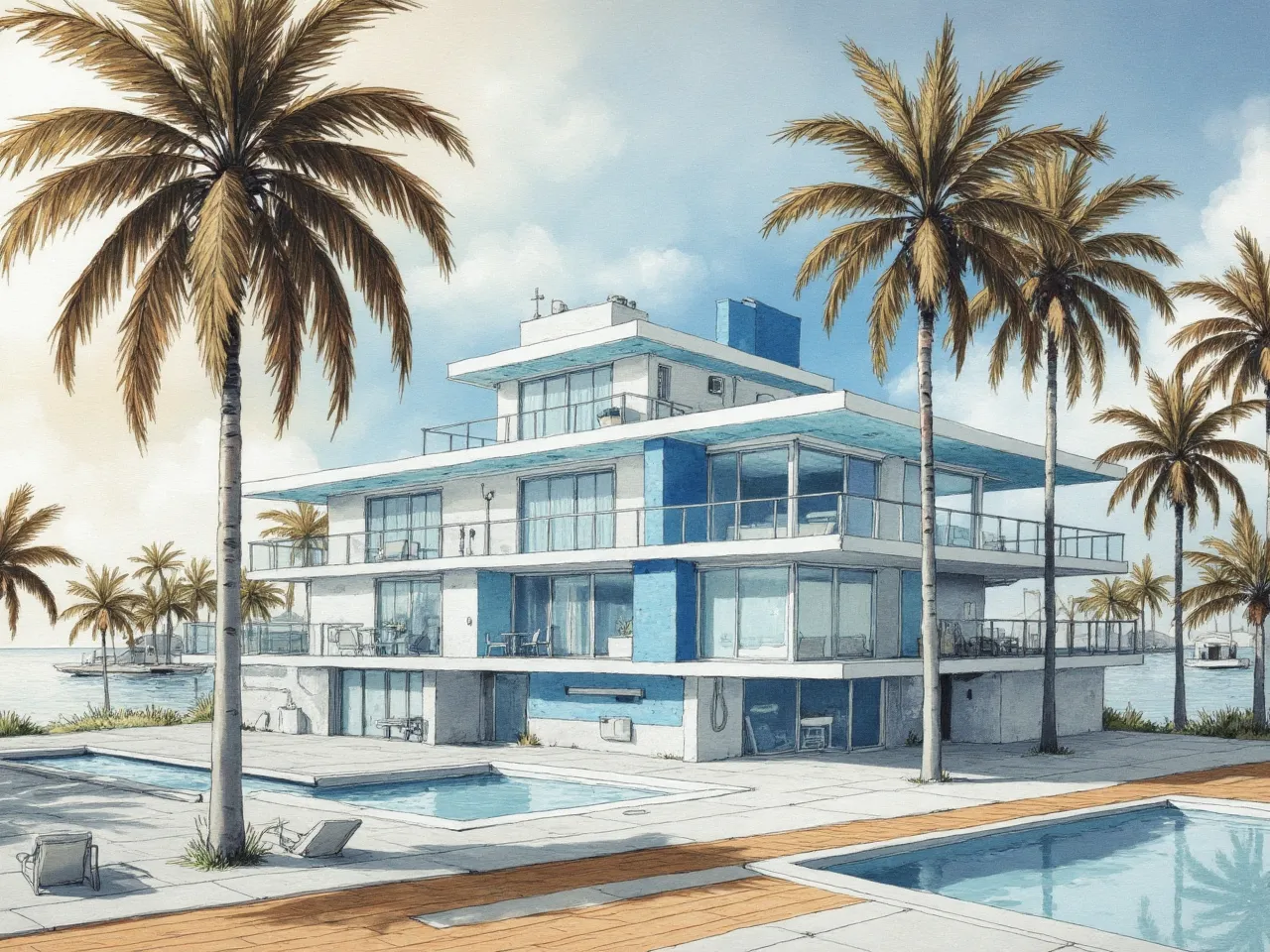
Over the past five years, the priorities of Tampa’s luxury homebuyers have changed dramatically. Formal dining rooms and sprawling backyards have faded from the top of wish lists, replaced by concerns about storm safety and low-maintenance living. According to Jose Cardenas, real estate advisor and principal at Premier Sotheby’s International Realty, buyers now ask about hurricane-rated construction before they even discuss price.
“If a house has impact glass and elevated construction, I know we’re getting at least three offers,” Cardenas says. Without these features, homes can linger on the market for weeks and often require price reductions.
This shift accelerated over the last 18 months, particularly following the 2024 hurricane season. The features buyers care about most now determine which homes attract bidding wars and which ones sit unsold. Here are the seven features Tampa luxury buyers are prioritizing — and why these details often matter more than the asking price.
Impact Glass and Hurricane-Rated Construction
After the destructive storms of 2024, buyers refuse to tour homes without impact-rated windows and doors. The cost of installing these features — typically $30,000 to $60,000 for a luxury home — is factored directly into purchase offers.
“Buyers calculate the cost of retrofitting and factor it into what they’ll pay for the house,” Cardenas explains. Homes with full hurricane protection sell 15 percent faster than comparable properties without it. Recent storms highlighted the vulnerability of older homes built in the 1950s and 1960s, many of which flooded. In contrast, new construction built to modern FEMA standards performed well, and buyers are now seeking out those homes.
Elevated Construction
Flood risk is another top concern. Most buyers now avoid ground-level homes, preferring properties with elevated foundations — especially in flood-prone neighborhoods. “I’m seeing offers come in 10 percent lower on homes that aren’t elevated,” Cardenas says. Buyers perceive increased risk and higher insurance costs for ground-level homes. Properties built on piers or with elevated first floors are considered safer investments.
In Tampa, FEMA flood codes require elevation in designated zones, and buyers routinely ask for documentation before making offers. Homes that meet or exceed these codes are commanding premium prices.
Private Outdoors
While large backyards were once prized, today’s buyers want usable outdoor areas that don’t require extensive upkeep. A quarter-acre lawn needing frequent mowing is now seen as a liability, not a luxury. Instead, buyers prefer patios with pavers, native plants, or xeriscaping.
“Buyers are doing math on lawn care before they even make an offer,” Cardenas says. With water restrictions and rising landscaping costs in Tampa, low-maintenance outdoor spaces have become premium features. Native landscaping, once considered budget-friendly, now appeals to buyers seeking both convenience and sustainability.
Dedicated Home Office with a Door
The demand for functional home offices remains strong, but buyers are no longer satisfied with makeshift setups. Listings that advertise “flex space for office” or a desk in a bedroom corner generate little interest. Buyers want a real office — a separate room with a door, window, and distance from sleeping areas.
“A third bedroom marketed as an office gets lukewarm interest,” Cardenas notes. Converting a formal dining room into a true office works; putting a desk in the primary bedroom does not. The experience of remote work during the pandemic has made buyers insistent on dedicated workspaces.
Multi-Zone HVAC Systems
Comfort and energy efficiency are increasingly important, especially for buyers working from home. Multi-zone HVAC systems, which allow different parts of the house to be heated or cooled independently, have become a top-three priority.
“When one person’s on Zoom calls all day and needs it cool, and the other’s in a different room wanting it warm, single-zone systems create household tension,” Cardenas explains. Tampa homes with multi-zone systems are receiving offers 8 percent higher than those with single-zone systems of similar size.
Waterfront Access or Views
Waterfront living remains a core part of Tampa’s luxury market. Whether it’s direct water access for boating or simply a scenic view, homes with these features consistently sell faster and for higher prices than comparable inland properties. “Buyers are willing to pay a premium for water,” Cardenas says. For many, boating and waterfront amenities are essential to the Tampa lifestyle, making these features non-negotiable.
Modern, Energy-Efficient Systems
Buyers are closely scrutinizing the age and condition of HVAC, electrical, and plumbing systems — not just for efficiency, but to avoid unexpected repair costs. Homes with older systems are receiving offers 5 to 10 percent lower, as buyers factor in the price of replacement.
“Buyers are asking for documentation on when systems were last updated,” Cardenas says. A home with a new HVAC system and upgraded electrical offers buyers peace of mind and is more likely to sell quickly.
The Bottom Line
In 2025, Tampa luxury buyers are asking about hurricane protection, elevated construction, and low-maintenance features before discussing price. For sellers, investing in these seven features can mean the difference between a home selling in days or lingering on the market for a month or more. For buyers, these priorities are shaping what’s worth paying for — because the competition is focused on the same must-haves. “If you understand what buyers are prioritizing, you’re already ahead,” Cardenas says.
About the Expert: Jose Cardenas is a Real Estate Advisor and Principal at Premier Sotheby’s International Realty in Tampa. With a background in marketing and design, he specializes in luxury residential properties and has been Tampa’s top producer for three consecutive years.
This article is based on information provided by the expert source cited above. It is intended for general informational purposes only and does not constitute legal, financial, or real estate advice. Readers should conduct their own research and consult qualified professionals before making any real estate or financial decisions.
Similar Articles
Explore similar articles from Our Team of Experts.