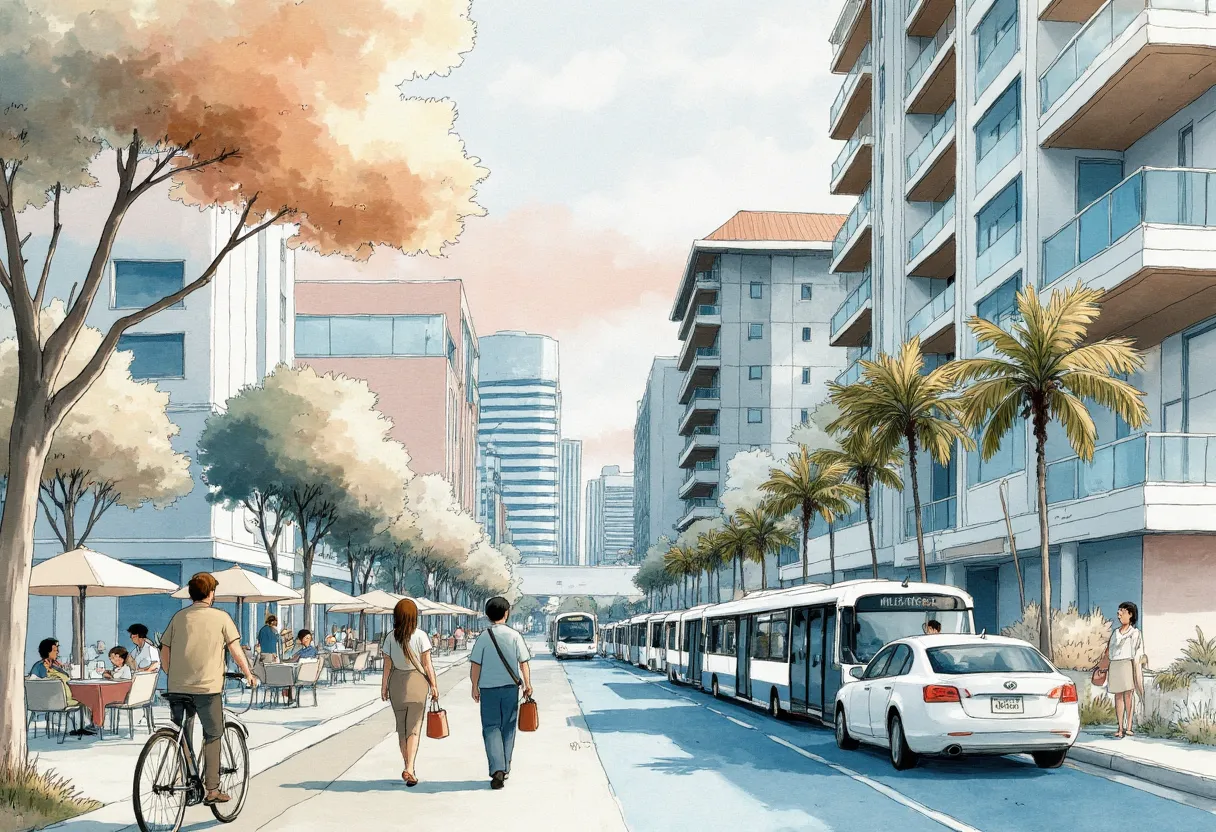
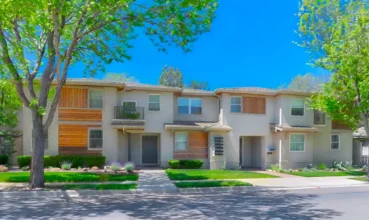
Lissette Calderon, CEO of Neology Group, has observed this shift firsthand. With two decades of experience developing overlooked Miami neighborhoods—first along the Miami River, now in Allapattah—she’s seen how public investment and new amenities can quickly change a neighborhood’s reputation. Upgrades in transit and infrastructure often turn forgotten areas into sought-after communities.
Here are five Miami neighborhoods where locals say demand is rising—and what’s driving the interest.
1. Allapattah: Central and Still Affordable
Allapattah was once a neighborhood people passed through, not a destination. That’s changed as young professionals, healthcare workers, and recent graduates move in. Its appeal lies in its central location: Allapattah sits at the intersection of four mass transit lines, has immediate access to major employers like Jackson Health and the University of Miami, and is close to Brickell, downtown, and the airport.
Calderon began acquiring properties here in 2015, anticipating that improved transit and proximity to jobs would attract residents. Her developments now lease up in under six months and maintain occupancy rates above 96%. The area’s housing serves Miami’s essential workforce—nurses, attorneys, and civil servants—who need to be close to work but can’t afford long commutes.
With about 46,000 airport workers and thousands more employed at nearby hospitals and universities, Allapattah offers a rare combination of affordability and convenience.
2. Miami River: From Neglected to Sought-After
Two decades ago, the Miami River area was largely ignored. Buyers focused on beachfront properties, dismissing the riverfront as less desirable. Calderon saw potential as the city began dredging the river and building the Riverwalk, investing in public infrastructure. “Every great city I traveled to started at the river,” she recalls.
In 2001, Calderon opened Neo Lofts, Miami’s first loft-style residential building, targeting young professionals priced out of other areas. Today, the Miami River features popular restaurants like Kiki’s and Sea Spice, as well as luxury projects from developers such as George Perez, including Baccarat Residences.
Calderon’s early vision has materialized: the Miami River has become one of the city’s most desirable addresses.
3. Neighborhoods With Transit Access: Convenience Drives Demand
In a city where driving is often a necessity, neighborhoods with access to Metrorail, Metromover, or bus rapid transit have become more attractive to both renters and buyers. These transit options allow residents to reach key destinations—Brickell, downtown, the airport, and the health district—without relying on a car.
Allapattah’s four transit lines are a significant reason for its recent popularity. “It’s about connectivity,” Calderon says. Areas with new or planned transit stops often see increased interest even before projects are completed, as residents look for alternatives to Miami’s heavy traffic.
4. Areas Near Major Employers: Housing for Miami’s Workforce
Demand is steady in neighborhoods close to large employers such as Jackson Health, Miami International Airport, and the University of Miami. Healthcare workers, airport staff, and university employees need nearby housing to avoid long commutes.
Calderon’s developments consistently attract these residents. “Nothing gives me greater pride than when I drive through our buildings at night and see the lights on,” she says. These are primary homes for people who work in Miami, not investment properties or vacation homes.
Neighborhoods near stable employers tend to hold value even when the broader market slows, making them a reliable choice for buyers and renters alike.
5. Affordable Areas Adding New Amenities
Emerging neighborhoods are not just affordable—they’re evolving. The arrival of new coffee shops, gyms, dog parks, and grocery stores signals that both developers and residents believe in the area’s future.
Calderon’s projects include features such as large gyms, virtual fitness classes, co-working spaces, and pet amenities. “Our goal is that they have everything at their doorstep,” she explains.
When you see a neighborhood adding these types of amenities—whether in new developments or local businesses—it’s a sign that demand is growing and the area is becoming more livable.
How to Identify the Next Hot Neighborhood
Not every up-and-coming neighborhood is obvious. Here’s what to look for:
- Public investment: City upgrades to transit, parks, or infrastructure often precede private development.
- Construction activity: New residential buildings indicate investor confidence in future demand.
- Demographic shifts: An influx of young professionals, families, or healthcare workers suggests growing appeal.
- Shortened commutes: Areas that significantly reduce travel time to major job centers tend to attract new residents.
- New social spaces: Coffee shops, breweries, and co-working spaces indicate people want to spend time in the area, not just live there.
The Bottom Line
Neighborhoods like Allapattah and the Miami River corridor are currently in a unique position: they remain affordable and underhyped, but are seeing real momentum. For buyers frustrated by high prices or bidding wars in established areas, expanding the search to these neighborhoods could offer better value and long-term potential. The challenge is getting there before the rest of Miami catches on.
This article provides information about Miami real estate trends and does not constitute legal, financial, or investment advice. Neighborhood conditions can change rapidly; conduct your own research before making decisions.