The Tampa Bay luxury real estate market is entering a new phase as high-end buyers shift their focus from lifestyle-driven purchases to more calculated, investment-oriented strategies. This change is reshaping how wealthy individuals approach property acquisition in Florida, driven by evolving economic conditions, hurricane impacts, and the realities of insurance and development.
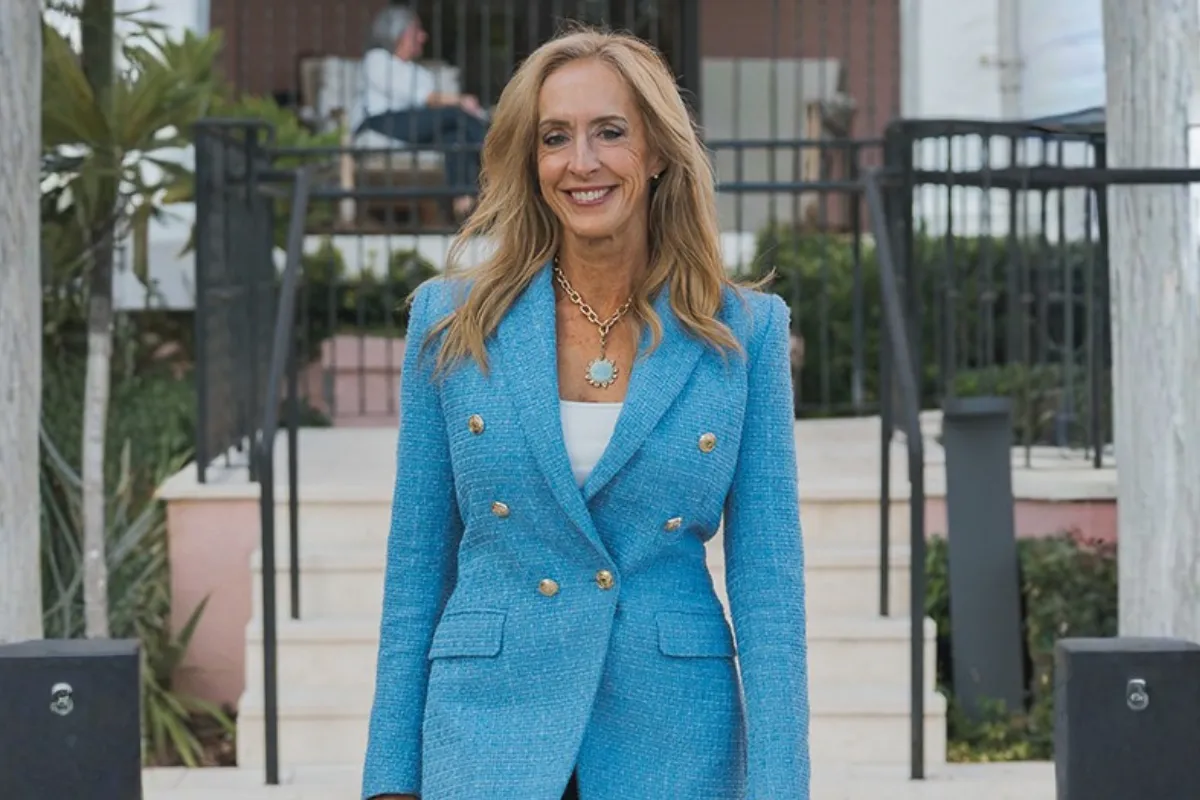
Carol Fasick, team leader of The Dynasty Luxury Group at Michael Saunders & Company, has witnessed this evolution over her 25 years in Tampa Bay real estate, specializing in waterfront luxury properties in St. Petersburg and Tampa. In her view, the current market is defined by buyers who are less motivated by the urgency of relocation and more by a desire to deploy capital strategically.
“The urgency of migration into Florida has stabilized,” Fasick says. “What we’re seeing now is much more strategic capital deployment when it comes to investing in real estate here. Buyers are still coming, but they’re asking much smarter questions.”
A New Kind of Buyer
Today’s luxury buyers are no longer satisfied with basic market trends or recent comparable sales. Instead, they demand detailed intelligence about future development, zoning changes, infrastructure projects, and how neighborhoods are likely to evolve over the next decade. Fasick and her team have adapted by focusing on off-market opportunities and building relationships with developers to gain early insight into what’s coming.
“We really look very hard, not just at what is for sale, what’s on the market. We try to understand what is driving buyer decision-making,” Fasick explains. “They want to know what’s coming next – not just what’s already been built, but what the future inventory looks like, what the zoning realities are, and how neighborhoods are likely to change.”
This forward-looking approach has become essential as buyers treat their real estate acquisitions as part of long-term wealth preservation. Many are also moving businesses to Florida, seeking tax advantages while prioritizing properties likely to appreciate due to future development or infrastructure improvements.
Hurricane Recovery
The aftermath of the 2024 hurricane season has left a visible mark on the Tampa Bay luxury market. Properties damaged by storms have either been rehabilitated or replaced by new construction built to meet current FEMA standards. This has increased inventory and driven a surge in demand for newly built homes with improved storm resilience.
“There have been a lot of properties that were damaged in the hurricane that have come on the market that are either being rehabbed or torn down with new luxury homes going up that will meet current FEMA regulations,” Fasick notes.
Buyers are prioritizing new construction not just for safety, but for the practical benefits it brings in securing insurance. New homes built to modern codes are easier and less expensive to insure, addressing one of the most significant challenges in Florida’s current real estate environment. “Most people covet new construction because the new construction is built within the FEMA guidelines, so insurance is much easier to obtain and much more affordable,” Fasick adds.
Insurance Costs
The ongoing insurance crisis in Florida has moved from headlines to a daily reality for luxury buyers and sellers. While higher insurance costs have not stopped transactions, they directly affect how much buyers are willing to spend and how deals are structured.
“It’s not just media noise. We are in an insurance crisis,” Fasick says. “Because of either the inability to get insurance on certain properties or the amount that it costs to insure property, it shrinks the amount of money a buyer can put into a deal.”
As a result, buyers are more cautious about older properties that may be costly or difficult to insure, reinforcing the demand for new construction. The predictability and affordability of insurance on recently built homes have become key factors in closing high-end deals.
Market Expansion
Despite these challenges, Tampa Bay continues to attract international investment and development. St. Petersburg, in particular, is seeing rapid high-rise construction, such as the 400 Central Avenue tower, which will become the tallest residential building on Florida’s west coast.
International developers are also bringing new perspectives and product types to the market. For example, the upcoming Roche Bobois-branded luxury high-rise, developed by Mexico City-based Valor Capital, marks the French furniture designer’s first residential tower in the United States. These projects often cater to international buyers who prefer smaller, high-design units—a departure from traditional American luxury preferences.
“People are coming from all over the world,” Fasick observes, noting that these global buyers are creating new segments within the Tampa Bay luxury market. The announcement of the Waldorf Tower, another ultra-luxury high-rise, signals continued confidence among developers and investors in the region’s growth prospects.
Market Stabilization
After a period of price corrections and growing inventory in 2023 and early 2024, the Tampa Bay luxury market is showing signs of stabilization. Activity increased significantly after the end of hurricane season, as pent-up demand was released and buyers moved forward with purchases.
“This past year, once we got through the hurricane season and did not have another hurricane, showings picked up everywhere, and things started to go under contract a lot faster than they had been,” Fasick reports.
Buyers now have a range of options, from luxury high-rise condominiums to waterfront estate lots in sought-after neighborhoods like Snell Isle, Brightwaters, and Pass-a-Grille. The increased inventory gives buyers more negotiating power, but well-positioned, resilient properties still command strong interest and premium prices.
A Shift in Agent Strategy
The changing nature of buyer demand has forced top agents to evolve their service models. At Dynasty Luxury Group, Fasick and her team have moved beyond simply presenting available inventory. They now provide comprehensive market intelligence, including detailed knowledge of development pipelines, zoning changes, and upcoming infrastructure projects.
“The sophisticated buyers aren’t asking what’s for sale today. They’re asking what’s coming next,” Fasick explains. This shift requires constant monitoring of new construction, regular communication with developers, and an ability to interpret how future changes will affect property values.
The team regularly visits new projects and sales centers, collaborating with both local and out-of-town developers to understand future supply and market positioning. This intelligence is crucial for buyers seeking investment opportunities and for sellers who want to position their properties competitively in a market defined by rapid change.
Looking Ahead
As 2026 progresses, Fasick continues to track pricing trends, developer activity, and absorption rates to guide her clients’ decisions. The volatility of the past two years means that staying ahead of market shifts is more important than ever.
“In my mind, Florida is no longer just a lifestyle migration story. It’s a capital strategy story,” she concludes. “At the Dynasty Luxury Group, we really work hard to come up with a strategy for a seller or a buyer.”
This strategic focus signals the maturation of Florida’s luxury real estate market. In today’s Tampa Bay, high-end transactions are driven less by the desire for a change in scenery and more by the need to preserve and grow wealth in a complex environment. Success for both buyers and agents now depends on deep market knowledge, forward-looking analysis, and the ability to anticipate where value will emerge next.
For real estate professionals, the path forward is clear: those who provide comprehensive intelligence and true advisory services will thrive, while those who rely on traditional transaction facilitation risk being left behind. The Tampa Bay luxury market has entered a new era, one where strategy, not just lifestyle, determines who wins.