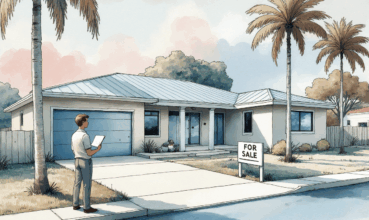

Anyone considering buying or selling property in Texas is entering a market that looks very different from how it did just a few years ago. Downtown office towers in Houston are sitting vaca...

St. Joseph, Michigan Leverages Lakefront Assets to Drive Strategic Development Growth

Written by:
Date:
25 Nov 2025
Share via Facebook

Share via Linkedin

Share via X

Copy to clipboard


The lakefront city of St. Joseph, Michigan, is positioning itself as a destination for real estate investment and development, actively pursuing growth initiatives to address regional housing shortages and broaden its economic base.
Situated on Lake Michigan’s eastern shore and home to just under 8,000 residents, St. Joseph has long been known for its Silver Beach and seasonal tourism. Now, under the direction of Development Director Kelly Ewalt, the city is pursuing a broader economic development strategy that builds on its natural resources and proximity to major employers such as Whirlpool Corporation’s headquarters in neighboring Benton Harbor.
From Agriculture to Municipal Leadership
Ewalt brings a background in agriculture and project management to her role in city government. She holds an undergraduate degree in animal science and equine business management from Michigan State University and spent much of her career managing agricultural projects for organizations like the USDA Farm Service Agency.
“Five years ago, I got a job with a smaller municipality here locally, and I absolutely fell in love with local government,” Ewalt says. Her interest in public administration led her to earn a master’s degree in the field before joining St. Joseph about a year ago. She viewed the move as “more of a challenge and a bigger community.”
Ewalt transitioned from project management in a town of about 1,900 residents to St. Joseph’s nearly 8,000. “We’re still a really small community in the grand scheme of things, but around here, it’s a pretty good sized town,” she notes.
Catalyst Development Anchors Strategic Vision
St. Joseph’s current development strategy centers on the Marquette development, a $55–$57 million mixed-use project designed to serve as a catalyst for further investment. The planned 100-unit development will include 32 condominiums and 68 apartments, with most rental units aimed at households earning 120% of the Area Median Income (AMI). This approach targets regional demand for attainable housing.
“Right now we have what you probably saw in the news – there’s a potential for a very large, 100-unit, multi-use development to come in overlooking Lake Michigan,” Ewalt says. “That has kind of started the ball rolling. It could very well be a catalyst development for us.”
The project required approval for a building height increase from 55 to 80 feet, making it one of the largest structures in the downtown area. Its location between the downtown corridor and Lake Michigan has prompted extensive community engagement to address concerns about its scale and neighborhood impact.
Innovative Financing Mechanisms
To make development financially viable, St. Joseph is using Michigan’s brownfield Tax Increment Financing (TIF) programs. These programs, administered in partnership with the Michigan State Housing Development Authority (MSHDA), reimburse developers for eligible expenses tied to attainable housing and infrastructure improvements.
“We joke that we wish they would have named it something different, because everybody hears brownfield and thinks ‘contaminated soil.’ This has nothing to do with contaminated soil,” Ewalt clarifies. The program allows reimbursement for infrastructure costs, such as the Marquette development’s two levels of below-grade parking, as well as rental subsidies that help bridge the gap between market-rate rents and affordable targets.
The city’s brownfield program had been inactive for years before the Marquette project revived it. “One of the cool things about it is this was kind of the catalyst for us to get the Brownfield Authority back up and going,” Ewalt explains. “Now we’re getting our momentum, and we know what to expect and how to do this. If other developers come in and want to look at that option, we’re ready to go.”
Regional Economic Advantages
St. Joseph’s location within a broader regional economy provides stability that is often lacking in tourism-dependent markets. In addition to Whirlpool’s headquarters, the city benefits from being near major hospital systems and nuclear power facilities, including the Palisades nuclear plant, which is in the process of restarting. The Palisades facility is the first shuttered nuclear plant in the nation to be brought back online.
“I think anything like that is good for the whole region,” Ewalt says of the plant’s restart, which is located about 30 minutes from St. Joseph. “Being along the Lakeshore of Lake Michigan, all these smaller communities are known for tourism, but there are strong industry sectors as well.”
This diversified economic base, combined with the lakefront setting, continues to attract both visitors and new residents seeking quality of life amenities.
Ambitious Growth Targets
According to the city’s economic development plan, St. Joseph could accommodate up to 900 new housing units, a substantial increase for a community of its size. In addition to the Marquette project, new developments are planned at Harbor Shores, and the city was recently certified as a Redevelopment Ready Community through the Michigan Economic Development Authority (MEDC) which will make the area more attractive to developers.
“Housing is a very big issue. Everybody needs attainable and affordable housing – that’s nationwide right now,” Ewalt says. The city’s reliance on tourism adds complexity, requiring a balance between supporting visitor-oriented businesses and meeting the needs of year-round residents.
Balancing Growth with Community Character
Managing growth while preserving the community’s lakefront character requires careful stakeholder engagement and transparent communication. Ewalt stresses the importance of listening to residents and ensuring they understand the need for growth to maintain city services and infrastructure.
“The best way to strike that balance is to really listen to our residents and get their input, and then it becomes an educational piece, where you have to make them understand that we need to have this growth and change to keep the city vibrant, to pay for infrastructure,” she explains. “The tax base needs to increase because nothing’s getting cheaper.”
This approach has involved extensive relationship-building with businesses and residents to secure support for new development. The Marquette project’s developers have actively met with the public and downtown businesses to address concerns and build consensus.
Looking Forward
St. Joseph’s development strategy is part of a larger trend in secondary markets, where communities are leveraging natural amenities and strategic locations to attract investment and new residents. The city’s use of brownfield TIF programs shows how smaller municipalities can make projects viable, even amid higher construction costs and tighter financing conditions.
“I feel like the whole area, not just St. Joe, but Berrien County as a whole right now is prime for development,” Ewalt concludes. “We’re ready to go, whether that’s industrial, commercial, recreational, or housing.”
For real estate professionals and investors, St. Joseph offers an example of how natural assets, a strategic regional location, and proactive city leadership can create conditions for sustainable growth. The city’s approach—balancing the draw of tourism with practical development needs—serves as a model for other lakefront communities aiming to expand their economic base while maintaining their essential character.
As St. Joseph moves forward, its efforts to attract investment, address housing shortages, and engage the community will determine how successfully it can grow without losing the qualities that make it a desirable place to live and visit.
Similar Articles
Explore similar articles from Our Team of Experts.