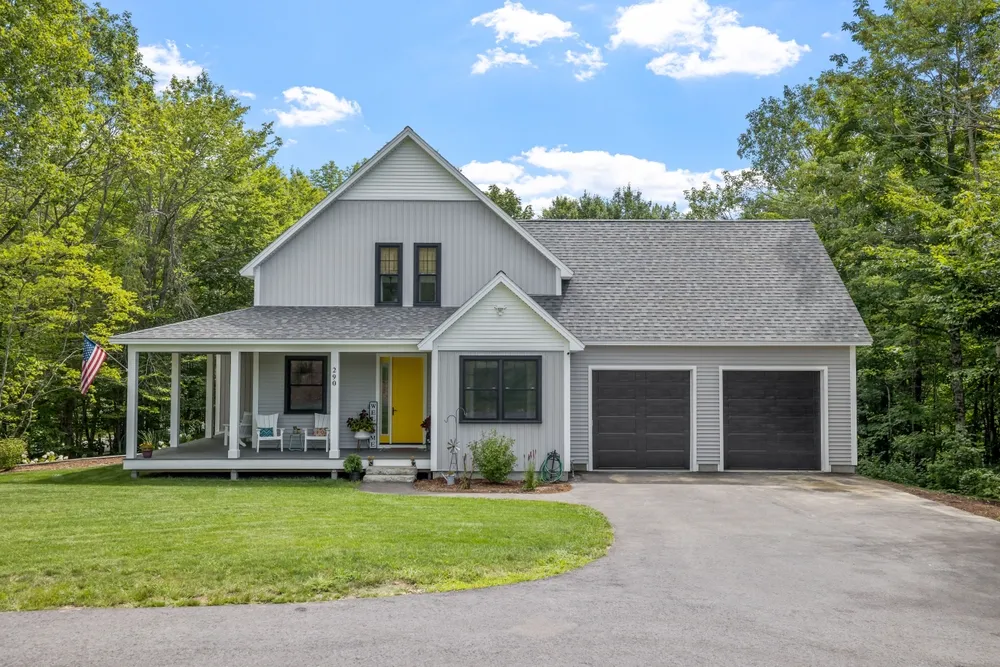
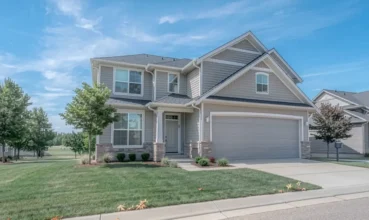
Southern New Hampshire’s residential market ran hot this spring: multiple offers, prices well above asking, timelines measured in days. By midsummer, the pace eased into a seasonal rhythm that agents in the region have come to expect. But the underlying demand picture hasn’t changed: population is growing, inventory remains tight, and sellers still hold meaningful leverage in most transactions.
Josh Judge, a Realtor with Berkshire Hathaway HomeServices Verani Realty who covers southern New Hampshire and northern Massachusetts, describes a market where the frenzy has moderated without tipping toward softness. “This past spring, for a couple of months through March, April, and May, it felt like we were back in that COVID time again when everything was crazy,” he says. “It did slow down some, but I still listed houses in July, and they still had no problem going under contract rather quickly.”
Pricing Has Plateaued, Not Declined
The rate of appreciation tells the story. During the pandemic years, prices in the region climbed roughly 30 percent annually, according to Judge. That pace has compressed significantly. Current year-over-year appreciation is running between 0.3 and 0.5 percent, a near-flat trajectory compared to what preceded it, but still positive.
Most transactions are closing at or just above asking price. The days of offers sailing far above list may have passed, but sellers aren’t making meaningful concessions either. Judge points to a recent comparable sale near one of his upcoming listings: a home that went under contract in five days, roughly $60,000 over asking. “That house isn’t quite as nice as theirs, and we’re talking about listing for around the same price,” he says of his clients’ confidence level.
Buyers Are Doing Their Homework Again
One of the clearest behavioral shifts Judge identifies is how buyers approach due diligence. During the peak years, home inspections nearly disappeared as buyers waived contingencies to compete. That dynamic has reversed.
“Home inspections almost went away during COVID; everybody was waiving them because they were just throwing money at everything,” Judge says. “Now that’s gone away, and most homes get inspected.”
He attributes this shift to price levels themselves. With homes in the region at historic highs, buyers are scrutinizing what they’re getting more carefully than they were when speed was the only competitive advantage. Judge sees this as a positive development; buyers spending more are right to demand more information before committing.
The Logistics of Selling in a Tight Market
One practical challenge that defines transactions in southern New Hampshire is the near-impossibility of making an offer contingent on selling an existing home that isn’t yet on the market.
Judge describes a workaround he used in a recent closing: listing the sellers’ home with language stating the sale is subject to the sellers finding suitable housing, then identifying a buyer willing to flex on closing dates. “We find a buyer who’s got a little bit of flexibility, put a date on there to close, but they have the flexibility to move it a little sooner or a little farther if necessary,” he explains.
The transaction involved a couple downsizing after nearly 30 years in their home, moving into a 55-plus community where they no longer have to maintain the exterior or the lawn. Multiple bidders on their property gave them the leverage to negotiate that timeline flexibility, a dynamic that works precisely because demand exceeds supply. For sellers in similar positions, the takeaway is that the listing strategy itself has to account for the next move, not just the sale.
Out-of-State Migration Continues to Drive Volume
The flow of buyers from Massachusetts and other states into southern New Hampshire has been a defining feature of the market since the COVID-19 era, according to Judge, and it hasn’t slowed. He estimates that between 50 and 60 percent of the homes he lists go to out-of-state buyers, with Massachusetts representing the largest share.
The draw is a combination of lifestyle and proximity. Southern New Hampshire sits roughly 30 to 45 minutes from Boston depending on location, letting buyers maintain professional ties while gaining access to lower density, four-season outdoor recreation, and a regulatory environment residents describe as less restrictive.
The lakefront segment Judge specializes in follows a different pattern. Waterfront buyers tend to already live in New Hampshire and have spent years working toward the purchase. “A high percentage of people already live in the state but have just always dreamed about living on water and finally reached a point where they could make that happen,” he says. These buyers skew older, typically 45 or 50 and up, and represent people who have accumulated enough savings or reprioritized their finances to afford the premium that waterfront commands over comparable inland homes.
A Seasonal Dip, Not a Structural Shift
Judge expects the current slowdown to be temporary, consistent with patterns he’s observed over nearly eight years in the business. “My guess is that it’ll start to pick back up again as we get toward the end of summer and into fall,” he says. “There’s usually a mini bump around September into October.”
The broader case for the market remains straightforward: New Hampshire is gaining residents, not losing them. Homes continue to appreciate, even if the pace has slowed dramatically from pandemic-era surges. And while buyers are more careful than they were three or four years ago, they are still competing for limited inventory, which means sellers who price correctly and plan their next move in advance are closing on timelines that most markets in the country would consider fast.
About the Expert: Josh Judge is a Realtor with Berkshire Hathaway HomeServices Verani Realty, covering southern New Hampshire and northern Massachusetts. He specializes in the lakefront segment and has nearly eight years in the business.
This article is based on information provided by the expert source cited above. It is intended for general informational purposes only and does not constitute legal, financial, or real estate advice. Readers should conduct their own research and consult qualified professionals before making any real estate or financial decisions.