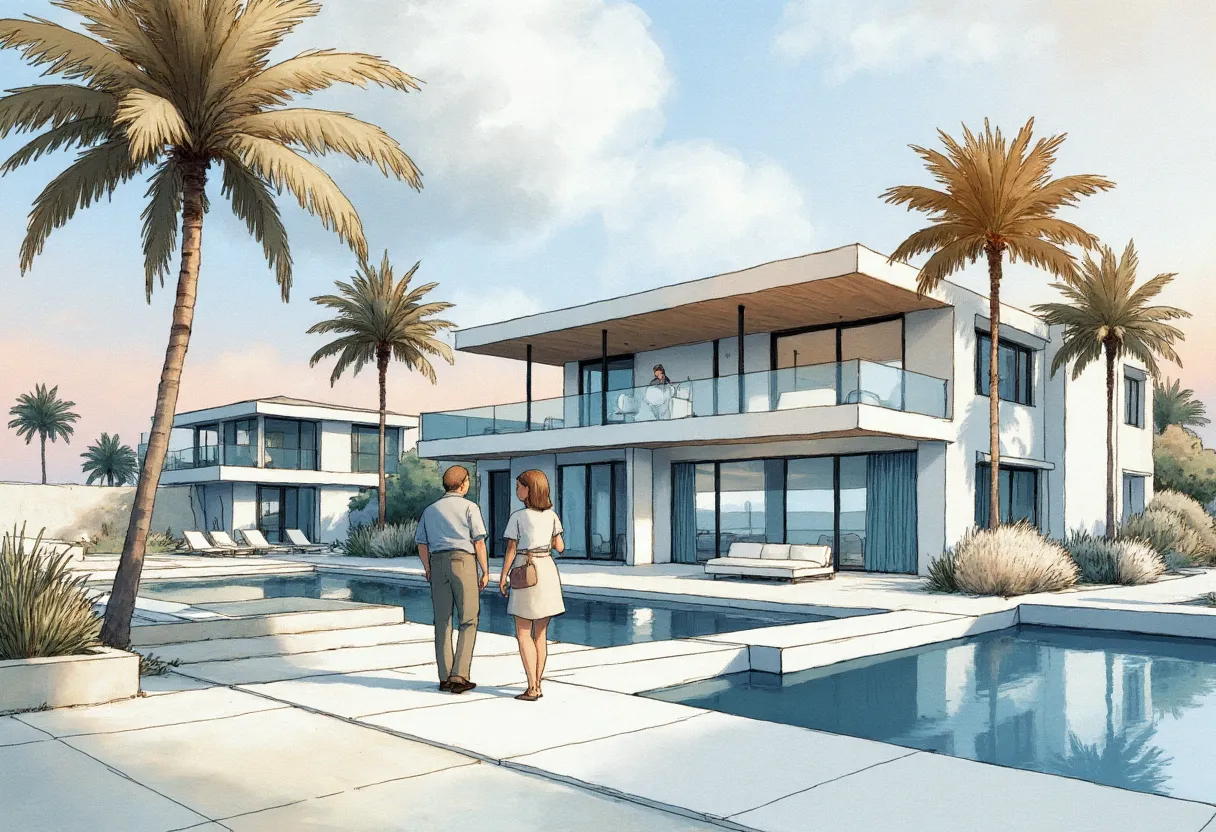
Sarasota’s luxury real estate market has shifted dramatically from its pandemic-era frenzy. Properties that once sparked bidding wars and sold within days are now sitting on the market for months. Waterfront homes that previously attracted multiple offers are lingering, and buyers have more time—and more options—than they have had in years.
After a period of rapid price appreciation and intense competition driven by remote work and migration from northern states, Sarasota’s market has cooled. The change is not a crash, but a clear slowdown. Understanding the reasons behind this pause is essential for anyone considering buying or selling in the area.
A New Reality: Longer Market Times and More Choices
Homes in Sarasota now take four to six months to sell on average, a sharp contrast to the weeks or even days seen during the market’s peak. Inventory has roughly doubled compared to last year, giving buyers a wider selection and more negotiating power.
“People have a lot of options because of the inventory, because of new construction, and discovering different kinds of communities,” says Laura Pearson, real estate advisor at Premier Sotheby’s International Realty in Sarasota. Buyers are no longer rushing into offers. Instead, they are touring multiple properties, asking detailed questions, and taking time before making decisions.
For sellers, this new environment means adjusting expectations. Properties priced competitively are still moving, but overpriced listings are being bypassed. Homes that once seemed like guaranteed sales—such as older condos or mid-century cottages—are now facing more scrutiny, especially after recent storms raised concerns about resilience and maintenance.
What Caused the Market to Slow?
Several factors have contributed to Sarasota’s market cooldown. First, two hurricanes recently impacted the area, exposing weaknesses in older buildings and increasing buyers’ concerns about insurance and special assessments. Many buyers now ask pointed questions about a property’s storm history, current assessments, and whether insurance is affordable or even available.
“Older condominiums, older houses from mid-century or before the 1990s had some issues,” Pearson says. “There was a year of readjusting to all of that.” Newer homes built to modern codes generally performed better during the storms. This has created a divide in the market, with buyers wary of older properties unless they are well-maintained and properly updated.
Second, the pool of international and Canadian buyers has shrunk. Visa restrictions, border challenges, and currency shifts have all played a role. The Canadian dollar has lost about a third of its value against the U.S. dollar, making Sarasota real estate significantly more expensive for Canadian buyers.
Third, the wave of pandemic-driven migration has eased. The urgency that once drove buyers to leave northern cities and secure homes in Florida has faded. While remote work remains a factor, it is no longer fueling the same level of demand as in 2021 and 2022.
Market Pace: Slower Decisions, Longer Closings
The pace of sales has decelerated. Buyers who once made offers within 48 hours are now taking a week or more to decide. The average time to close has stretched to 45 days, as lenders require more documentation and appraisals take longer to complete.
For buyers, this slower pace offers significant advantages. There is time to compare neighborhoods, evaluate multiple options, and negotiate terms. For sellers, patience and strategic pricing are now essential. Overpricing a home typically results in it sitting on the market for months, often forcing a price reduction later.
Advice for Today’s Market
For Buyers: Take advantage of the slower market. Visit several homes before choosing, and ask about storm history, insurance costs, and any special assessments, especially for older properties. Newer construction with hurricane-resistant features is commanding a premium, but can offer peace of mind. Do not hesitate to negotiate—many sellers are more flexible than in recent years.
For Sellers: Set a realistic price from the start. Homes that are priced too high are likely to sit unsold and eventually require price cuts. Invest in staging and professional photography to ensure your property stands out online. If selling an older home, be transparent about any recent repairs, storm damage, or assessments. Honest disclosure builds trust and can help avoid surprises during negotiations.
For Investors: Focus on areas with strong fundamentals, such as walkable neighborhoods, proximity to downtown, and access to cultural amenities. Golf communities are seeing renewed interest as they invest in their facilities. On barrier islands like Longboat Key, newer, hurricane-resistant construction is increasingly in demand, making teardown-and-rebuild projects more attractive for long-term value.
Key Takeaways: A Market in Balance
Sarasota’s luxury real estate market has not collapsed—it has normalized. Buyers now have leverage to negotiate and choose carefully, while sellers must be realistic about pricing and presentation. Storm resilience, insurance costs, and the quality of community amenities have become top priorities for both sides of the transaction.
“I’m more optimistic about the first quarter of this year,” Pearson says. “I think we’re going to start to feel more people participating in the market here.” For those who have been waiting for a less frenzied environment, this may be the right moment to act.
This article provides insights into current real estate trends in Sarasota and is not intended as legal, financial, or investment advice.
This article was sourced from a live expert interview.
Every month we conduct hundreds of interviews with active market practitioners - thousands to date.
Rochester, MN, real estate agent Alex Mayer explains how attraction-based marketing and strategic staffing create more client access than traditional team structures. Large real estate teams...
“My early professional years were about absorbing every detail of the market,” says Brandon Charnas, co-founder of Current Real Estate Advisors, describing his career trajectory before l...
The United States is in the midst of a sweeping communications infrastructure overhaul that many property owners have yet to fully appreciate. After more than a century of copper wire domina...
The real estate market is facing a persistent inventory shortage, not because of strong buyer demand, but because homeowners who locked in low mortgage rates during the pandemic are unwillin...
The democratization of home staging services, traditionally reserved for ultra-luxury properties, is reshaping how homes across price points go to market, according to Guest House CEO Alex R...
Rental prices in the Hudson Valley have compressed so close to mortgage payments that prospective tenants are increasingly saving for down payments instead of renting, according to Christina...