

Silicon Valley’s luxury real estate market has split into sharply defined tiers, according to Chris Iverson, a realtor at Golden Gate Sotheby’s International Realty. Ultra-luxury homes a...

Sarasota Homes Under $300K Are Getting Offers – Here’s What’s Behind the Frenzy

Written by:
Date:
10 Jan 2026
Share via Facebook

Share via Linkedin

Share via X

Copy to clipboard

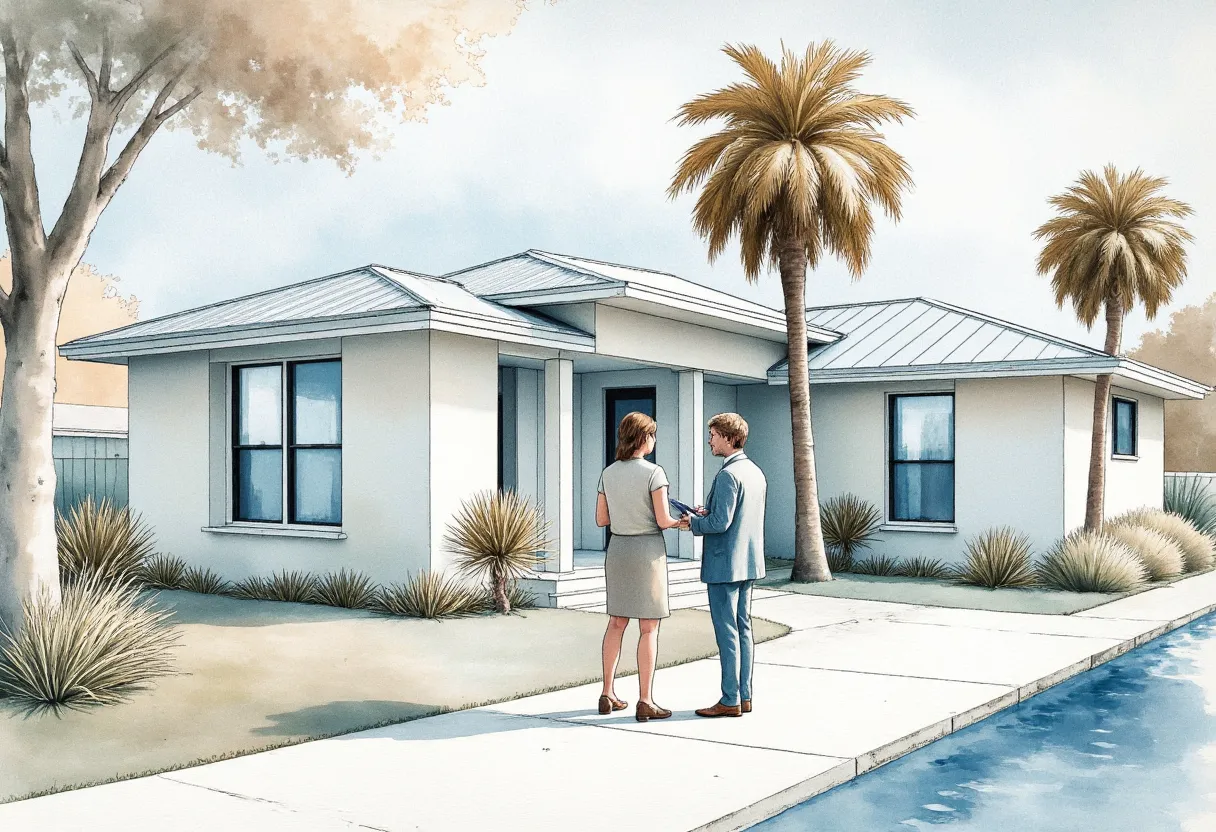
Sarasota’s real estate market has become a study in contrasts. While some homes sit unsold for weeks, others—especially fixer-uppers under $300,000—are sparking bidding wars with dozens of offers. The divide is no longer just about location; it’s about buyer profiles and their willingness to take on renovations.
Reeny Kaney, an associate with RE/MAX Alliance Group in Sarasota, recently listed a property in need of a complete overhaul. Within days, she received 50 all-cash offers. “If you put a home on the market that is priced for an investor to jump on, we received 50 offers on one home that was a complete redo,” Kaney says. These offers came not from institutional investors, but from individuals planning to renovate and live in the home, or resell it after improvements.
This intense demand is not universal. Sarasota’s market has split into two: move-in-ready homes attracting traditional buyers, and distressed properties drawing cash buyers willing to undertake major renovations. Understanding these two segments is essential for anyone hoping to buy or sell in today’s market.
Why Cash Buyers Are Taking Over Fixer-Uppers
Homes needing significant repairs rarely qualify for traditional mortgages. Lenders typically refuse to finance properties with structural problems, outdated electrical systems, or severe water damage. As a result, only cash buyers can compete for these listings—and with limited inventory, competition is intense.
Over the past six months, this dynamic has become more pronounced in Sarasota. Kaney attributes the change to three main factors: the lingering effects of Hurricane Ian, persistently high mortgage rates, and a decline in Canadian buyers, who once accounted for a substantial share of local transactions. “The hurricane, the interest rates, and our decrease in Canadian buyers” have all contributed to a slowdown in overall sales, Kaney explains. For cash buyers, however, this environment creates opportunities to purchase distressed properties at attractive prices.
Properties priced below $300,000 are drawing the most attention from these buyers. Many plan to live in the home while making repairs, then either remain long-term or sell for a profit. With move-in-ready homes increasingly out of reach for first-time buyers, this approach offers a viable path to homeownership and potential investment returns.
Challenges Facing Move-In-Ready Buyers
For buyers relying on financing or seeking turnkey homes, the Sarasota market feels very different. Move-in-ready properties—especially those listed above $400,000—are taking longer to sell, as buyers grow more selective and risk-conscious. Flood risk is now a top concern after Hurricane Ian, with many buyers refusing to consider homes in high-risk zones. “They’re very conscientious of where they’re buying properties,” Kaney notes, adding that buyers are scrutinizing FEMA maps and elevation data before making offers.
This heightened caution has slowed price growth in certain areas. While homes outside flood zones are selling faster than those in riskier locations, they are not commanding significant premiums. Buyers are paying closer attention to property condition and demanding transparency about flood history and prior repairs.
Sellers must now ensure their homes are in top condition to attract offers. Kaney emphasizes, “Properties need to be show-ready with no surprises for any buyers.” Minor issues that might have been ignored during the pandemic boom—such as outdated fixtures, water stains, or unfinished repairs—can now derail a sale. In today’s market, transparency and attention to detail are essential.
What’s Sustaining Demand in Sarasota
Despite slower overall sales, Sarasota continues to attract out-of-state buyers. The area’s appeal includes cultural attractions like the Ringling Museum and Selby Gardens, abundant outdoor activities such as tennis, pickleball, and golf, and easy access to the Gulf. “The desirability of people to move here” remains a key driver of demand, Kaney says.
Another notable trend is the return of younger residents. Kaney has observed more young people at local events and venues, signaling a shift from the region’s traditional retiree-heavy demographic. This younger cohort is adding diversity to the buyer pool, though they often compete with first-time buyers and small investors for homes in the most competitive price ranges.
Advice for Buyers and Sellers
For cash buyers interested in renovation projects, Sarasota’s fixer-upper segment is highly competitive but offers real opportunity. Be prepared to act quickly and submit your strongest offer immediately—delays can mean losing out to one of dozens of other bidders. Budget carefully for a complete renovation and allow sufficient time to make the property livable or ready for resale.
Buyers using financing should focus on move-in-ready homes and expect to pay a premium for desirable locations and condition. Avoid high-risk flood zones unless you are prepared for higher insurance costs and potential resale challenges. Request documentation for recent repairs and always conduct a thorough home inspection to avoid costly surprises.
Sellers need to prioritize pricing and presentation. Homes in need of work should be priced aggressively to attract cash offers. Move-in-ready properties should be impeccably presented, with complete transparency about any flood risk or past damage. “Making sure that properties are show-ready with no surprises” is critical to closing deals quickly, Kaney advises.
Sarasota’s housing market is no longer uniform. Success depends on understanding which segment you are targeting and adjusting your strategy accordingly—whether you are looking for a project or a turnkey home, preparation and speed are key to winning in today’s competitive landscape.
This article provides insights into Sarasota’s real estate market. It is not legal, financial, or investment advice. All information is based on Kaney’s expertise and general market knowledge.
Similar Articles
Explore similar articles from Our Team of Experts.