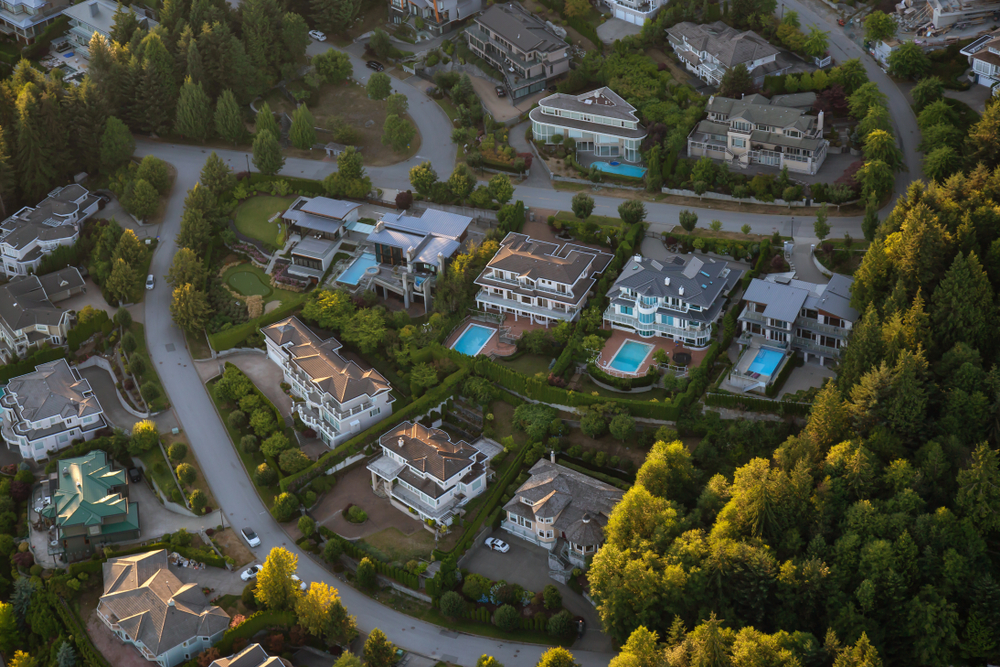
San Francisco’s luxury housing market, once notorious for bidding wars and lightning-fast sales, has entered a new phase. Today, buyers — especially those at the high end — have more leverage and access than they have in years. But this shift is not a typical market cooldown. Instead, it’s a market defined by record-setting prices, limited inventory, and an unprecedented surge in off-market deals.
The result is a landscape where traditional house-hunting strategies no longer apply, and access to private networks matters more than ever.
A Market Defined by Scarcity and Demand
Despite national headlines about real estate slowdowns, San Francisco’s luxury segment is seeing some of the fastest price growth in the country. In several sought-after neighborhoods, single-family home prices have jumped as much as 25% year over year. Rents have climbed nearly 20%, adding further pressure to the for-sale market.
Yet, the pool of available homes remains extremely limited. Alexander Lurie, a real estate advisor specializing in luxury and ultra-luxury properties at The Lurie Group | City Real Estate, estimates that 70% to 75% of homes priced above $10 million now sell off-market, bypassing public listings entirely. Even in the $5 million to $10 million range, at least 20% of sales happen privately. “There’s much more money in our ecosystem than there is inventory,” Lurie says.
This imbalance has pushed the most desirable deals out of public view. Buyers with serious capital are turning to agents with deep off-market connections to access homes that never hit the MLS. For those with the right network, the best opportunities are often invisible to the broader market.
What’s Driving the Change?
Three factors are fueling San Francisco’s current luxury market — and their impact is visible right now.
First, the artificial intelligence boom has created a new wave of wealthy buyers. Lurie estimates that about a third of today’s luxury buyers are connected to AI, either through employment or investment. When startups go public or employees exercise stock options, the proceeds often flow directly into real estate. “Tender offers and companies going public put a lot of money into the ecosystem,” he explains.
Second, the city’s push for a return to in-person work is reviving demand in key neighborhoods. More than 30,000 employees have returned to San Francisco offices, increasing competition for homes near transit corridors and tech hubs. Proximity to work is once again a top priority for many buyers.
Third, improvements in city management and public safety have restored confidence among both residents and investors. Under new leadership, San Francisco has seen cleaner streets, reduced homelessness, lower crime rates, and a resurgence of small businesses. This turnaround is attracting buyers who might have hesitated just a year ago.
How Quickly Are Deals Happening?
While prices are rising, the pace of public-market deals has slowed compared to the pandemic-era frenzy. Homes that once sold within days may now linger longer, especially if they are overpriced or located outside the city’s most desirable areas.
However, in the luxury segment, speed is determined by access rather than listing status. Off-market deals often close quickly, with no public marketing period or open houses and fewer competing offers. Buyers who are part of the right networks can act decisively and avoid the delays associated with traditional sales.
Condos present a different picture. Their appreciation has lagged behind that of single-family homes, and they typically take longer to sell. Buyers seeking negotiating room or value may find more options in the condo market.
What Should Buyers, Sellers, and Investors Do
For Buyers: Relying on public listings is no longer enough in San Francisco’s luxury market. The most desirable properties are sold privately, often before the wider market is aware they’re available. Buyers should work with agents who have established off-market relationships and can provide early access to these homes. Neighborhoods close to transit and tech offices remain the most competitive and are likely to continue to see strong demand.
For Sellers: With inventory tight and buyer demand high, now is a strong time to sell — especially for single-family homes in desirable neighborhoods. Sellers should seek an up-to-date market valuation and be prepared to move quickly. Lurie emphasizes that conditions are favorable now, but there is no guarantee they will improve further.
For Investors: The best opportunities may lie in neighborhoods that haven’t yet peaked, such as parts of the Mission, South of Market, and Bayview Hunters Point. These areas are seeing strong upward momentum but remain more affordable than established luxury enclaves. However, investors must pay close attention to San Francisco’s strict tenant-landlord laws, as missteps can be costly.
Looking Ahead
San Francisco’s luxury real estate market is thriving, but the real action is happening out of public view. Buyers with access to private networks are finding opportunities that never reach public listings, while sellers are capitalizing on intense demand and limited inventory. The days of relying on online searches or waiting for the perfect listing are over — success now depends on relationships and early information.
“There’s never been a better time to be a seller,” Lurie says, especially for single-family homes in prime neighborhoods. For buyers, the old rules no longer apply. Those who look exclusively at open-market risk are missing the best opportunities entirely. As the city’s economic engine accelerates and confidence returns, San Francisco’s luxury housing market is poised to remain competitive —provided you know where, and how, to look.
About the Expert: Alexander Lurie is a luxury and ultra-luxury real estate advisor at The Lurie Group | City Real Estate in San Francisco. He specializes in the city’s most competitive and discretionary segment of the market, where the majority of high-value transactions happen off-market and access to private networks is often the deciding factor. His practice focuses on connecting serious buyers and sellers in a market increasingly defined by scarcity, speed, and insider relationships.
This article is intended for informational purposes only and does not constitute legal, financial, or investment advice. The views and opinions expressed herein reflect those of the individuals quoted and do not represent an endorsement of any company, product, or service mentioned. Readers should conduct their own due diligence and consult qualified professionals before making any investment decisions.