The San Francisco Bay Area real estate market is moving into a new phase as buyers and sellers adapt to higher interest rates and the expanding influence of the artificial intelligence (AI) sector. After several years of uncertainty following the pandemic, more participants are choosing to act rather than wait for a return to earlier market conditions.
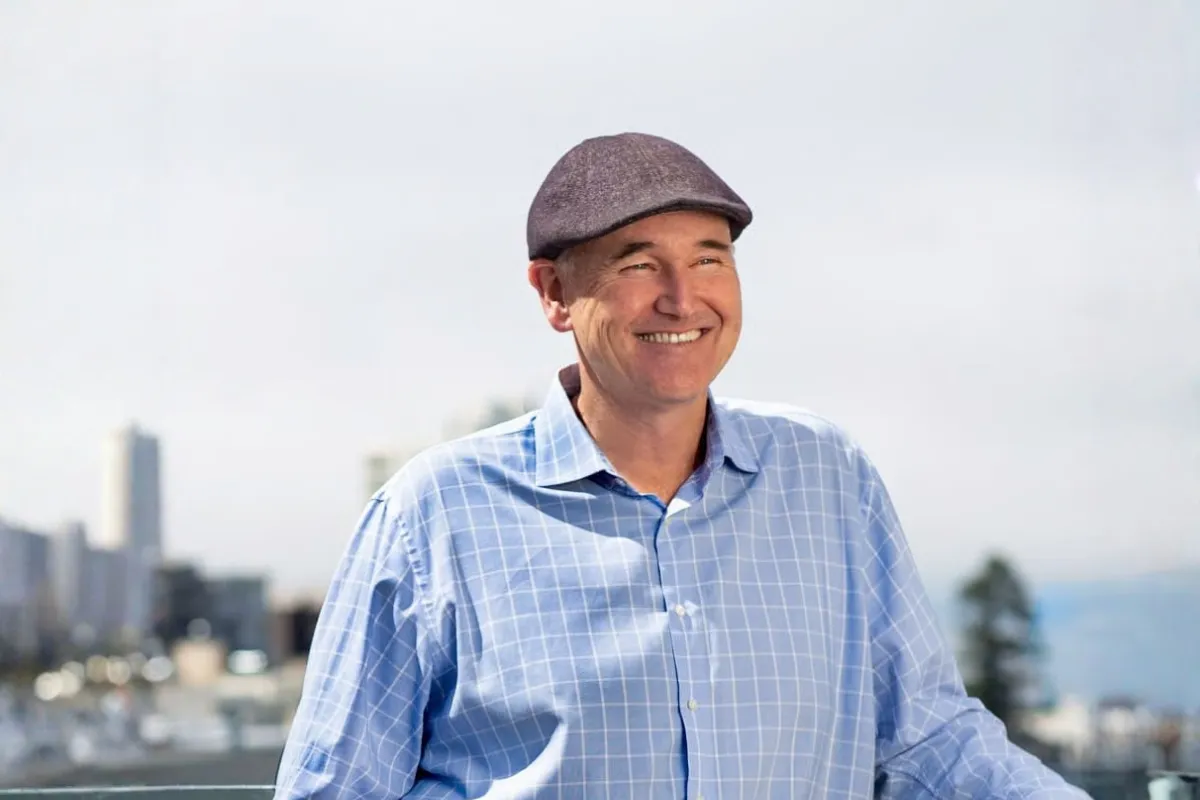
Eddie O’Sullivan, founder of Elevation Real Estate, tracks these shifts across San Francisco, Oakland, and Berkeley. His firm focuses on single-family homes, small multi-unit buildings, and condos, with particular expertise in probate and trust sales, offering a detailed view of current market realities.
Market Adaptation and Buyer Behavior
The most significant change in the past year is the market’s acceptance of current interest rates. Rather than waiting for rates to drop further, buyers and sellers are proceeding with transactions, recognizing that ideal conditions may not return soon. O’Sullivan notes that buyers who have both the means and motivation are finding opportunities, especially as competition remains limited compared to previous boom cycles.
This pragmatic approach is a departure from the hesitation that defined much of the post-pandemic period. Many buyers who waited for lower rates now understand that further declines may be modest, and that delaying could lead to increased competition and higher prices if the market strengthens.
Property Type Performance Varies
Recovery is uneven across property types. Single-family homes are attracting multiple offers and often selling above list price, especially in established neighborhoods. In contrast, the condo market remains softer, particularly in less central areas, where prices have not rebounded as strongly. This gap creates opportunities for buyers willing to consider condos, as values are more accessible than in the single-family segment. Small multi-unit buildings also offer attractive options, with investors able to find value in a slower market.
Condos are especially sensitive to interest rate changes. O’Sullivan estimates that a one percent drop in rates could drive a tenfold increase in demand for condos, highlighting how quickly this segment could rebound if borrowing costs fall.
Downtown Recovery
The gradual return to office work is beginning to change the outlook for neighborhoods that rely on daytime populations. During the peak of remote work, several areas saw reduced demand and falling prices. Now, properties in these neighborhoods are attracting renewed interest, particularly higher-floor units with good views and updated finishes. These homes held up better during the downturn, while older or less desirable units struggled. With office attendance rising, demand for a broader range of downtown inventory is increasing, pushing prices upward in some cases.
The downtown loft market remains volatile. Lofts, which appeal to urban professionals, saw sharp declines when confidence in the city’s future faltered. In periods of uncertainty, sales activity in this segment nearly stopped. As confidence returns and more buyers re-enter the market, lofts are seeing renewed interest and higher prices.
AI Economy Impact
The growth of the AI sector is having direct effects on San Francisco’s real estate market. The influence is most visible in the rental market, which has returned to pre-pandemic levels, and in luxury home sales, particularly in the $4 million to $8 million range. O’Sullivan reports that demand in this segment has become noticeably stronger as AI companies expand and attract new talent to the Bay Area.
The impact of pending IPOs is also shaping buyer behavior. When news of upcoming public offerings circulates, two waves of activity follow: first, buyers try to secure homes before anticipated price increases; later, after stock lockup periods end, employees with new liquidity re-enter the market, driving further demand. This dynamic adds volatility to the upper end of the market and reinforces the link between tech-sector performance and real estate values.
Specialized Market Insights
O’Sullivan’s work in probate and trust sales provides a window into a segment less affected by overall market sentiment. These sales are driven by legal requirements — often following a death or family transition — so they proceed regardless of broader market trends. Properties in this category are frequently in need of repairs and come with limited disclosures, making them appear riskier than they often are.
Buyers in this segment must be prepared to navigate legal complexities and assess properties that may need significant work. Sellers, meanwhile, must price realistically to offset the perceived risk. O’Sullivan recounts a recent sale of a property owned by a deceased hoarder and occupied by a long-term tenant paying below-market rent. Despite these challenges, the property sold within a week and attracted multiple offers above the asking price. Just a year ago, such a property likely would have lingered on the market for two months and sold at or below the list price, reflecting increased market activity and buyers’ willingness to act on perceived value.
Technology and Market Efficiency
Looking ahead, O’Sullivan predicts that AI-driven efficiencies will help address one of the market’s primary challenges: historically low transaction volume. Over the past two years, Bay Area real estate has seen its lowest sales volumes in three decades. While prices have started to recover in some segments, the number of transactions remains well below historical norms.
AI and related technologies are streamlining processes such as marketing, property analysis, and transaction management. O’Sullivan believes these efficiencies will make it easier for agents and clients to complete deals, potentially accelerating the market’s return to higher volume levels. If these tools continue to spread, the Bay Area could see a faster rebound in transaction counts, bringing the market closer to the activity seen a decade ago.
Market Narrative Shift
The public narrative around San Francisco real estate is also changing. For years, headlines focused on the city’s challenges — office vacancies, population outflows, and public safety concerns. Now, as the economy diversifies and tech investment returns, the conversation is turning toward the market’s resilience and underlying strengths.
O’Sullivan cautions that media coverage often exaggerates problems on the margins, missing the stability of the core market. He argues that while some segments struggle, the bulk of the market remains fundamentally sound, supported by strong demand in key neighborhoods and a steady influx of high-earning buyers connected to the tech sector.
Renewed confidence is visible not just in sales data, but in the attitudes of buyers and sellers. As AI-driven growth boosts local incomes and employment, both established and emerging neighborhoods are seeing more activity and firmer prices.
Looking Forward
Elevation Real Estate is preparing for continued recovery by expanding its reach through a new partnership offering bi-coastal services between San Francisco and New York. This move reflects growing demand for cross-market expertise as buyers and sellers increasingly operate in multiple major cities.
San Francisco’s real estate market appears to be moving from a prolonged period of hesitation to one of cautious optimism. The combination of stable economic fundamentals, technological innovation, and a more realistic approach to interest rates is encouraging buyers and sellers to engage with the market on today’s terms.
While challenges persist — especially in certain property types and neighborhoods — the overall outlook is more positive than it has been in several years. The influence of the AI sector, rising transaction efficiency, and a shift in market psychology all suggest that San Francisco real estate is regaining its footing. For buyers and sellers willing to act in this environment, the coming years may offer opportunities not seen since before the pandemic.