Mike Pierle, Chief Operating Officer of Construction at Clayco, says the booming data center construction market faces two critical constraints that could derail its explosive growth traject...

San Francisco Office Market Finds New Life Through Strategic Positioning and Tech Renaissance

Written by:
Date:
16 Jul 2025
Share via Facebook

Share via Linkedin

Share via X

Copy to clipboard

The San Francisco office market has weathered significant challenges over the past few years, but emerging investment strategies are revealing opportunities that many market observers have overlooked. While headlines continue to focus on the city’s struggles, a closer examination reveals a more nuanced picture of recovery and strategic positioning that could reshape perceptions of urban office investment.
Building on Neighborhood Fundamentals
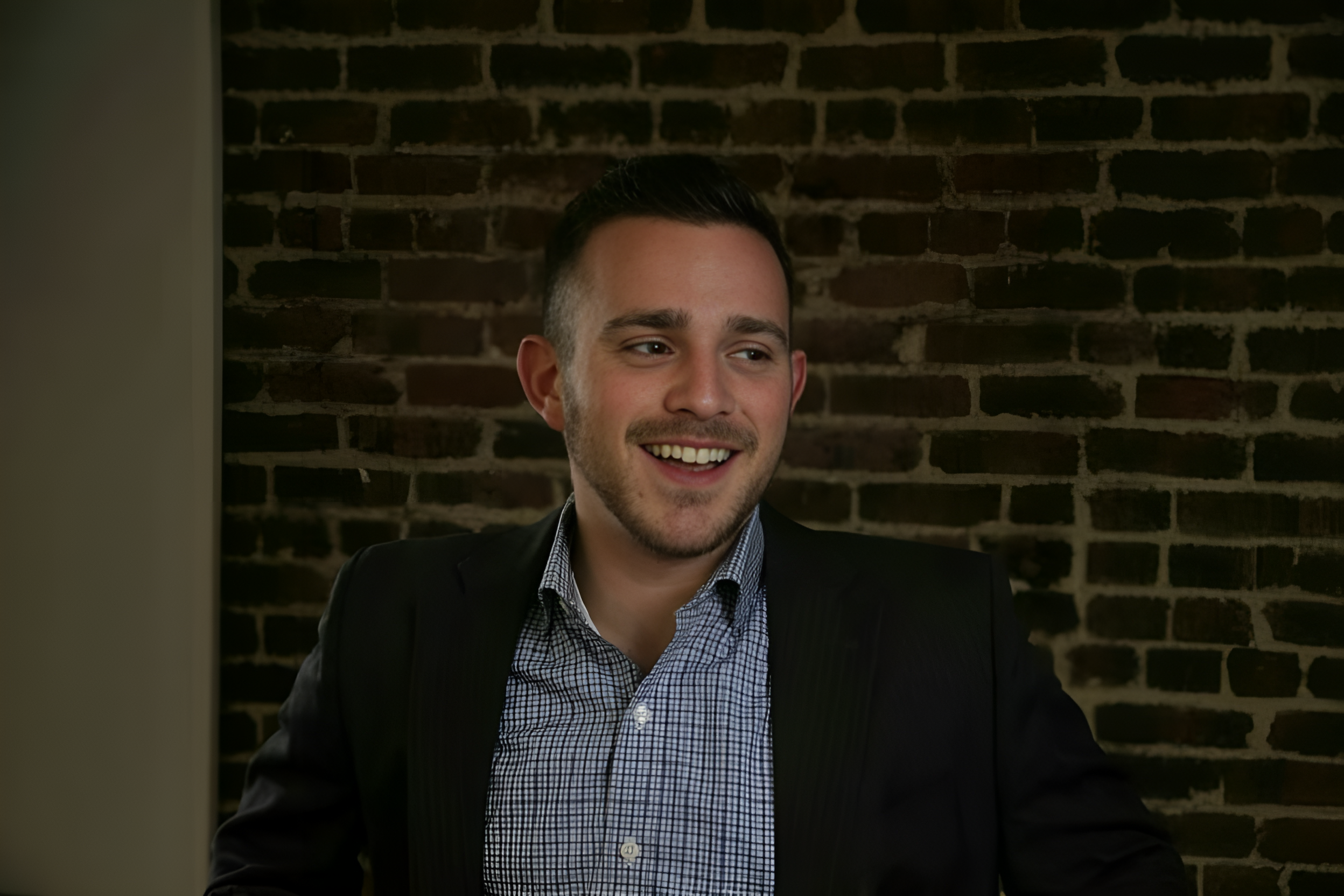
Jesse Feldman, Partner at Brick & Timber Collective, has witnessed this transformation firsthand through his firm’s focused approach to office investment in San Francisco. Starting with a concentration in the Jackson Square and northeast waterfront neighborhoods, the company has built a portfolio strategy around a straightforward principle: “We buy office buildings where people want to work.”
This block-by-block approach requires tenants to “walk out of the door of one of our buildings and say, ‘I’m in the center of it all,'” Feldman explains. The strategy has proven effective enough to expand beyond San Francisco to Los Angeles and Miami, suggesting broader applicability across markets.
The firm’s success stems from identifying buildings with strong infrastructure that support high-quality office development. Rather than relying solely on traditional tenant improvement allowances, Brick & Timber has developed internal construction capabilities through a subsidiary general contracting firm, allowing for “spectacular spec builds” at competitive pricing.
The Misconception Problem
Much of the negative sentiment surrounding San Francisco’s office market may be overstated, according to Feldman. “The news organizations are a business, and hyperbole sells,” he notes. “San Francisco really did go through the doldrums, but I think that story has lingered a little bit too long.”
Visitors from the East Coast and overseas consistently express surprise at the city’s actual condition compared to media portrayals. This disconnect between perception and reality has created what Feldman describes as “generational” buying opportunities for investors willing to look beyond the headlines.
San Francisco’s official flag features a phoenix rising from ashes, symbolizing the city’s cyclical economic ups and downs. “San Francisco is as well [known for tumult and revolutionary cycles],” Feldman observes. “I think that gets forgotten here.”
Technology’s Persistent Influence
Despite predictions that other cities would emerge as tech hubs at San Francisco’s expense, the fundamental drivers remain intact. “Technology exists under the mandible, under the crust of the city of San Francisco in such a meaningful way, in the same way finance does in New York,” Feldman explains.
The announcement of OpenAI and the emergence of what he calls “technology 3.0 or 4.0” has reinvigorated the economic drivers that make San Francisco unique. This shift is visible in street-level activity, from bars and coffee shops to overheard conversations.
Evolving Tenant Demands
The office market recovery isn’t simply about returning to pre-2020 conditions. COVID-19 accelerated existing trends in office space demands, creating both challenges and opportunities. “What COVID did was accelerate trends that were taking place in office tenfold,” Feldman notes.
Tenant demand has returned to approximately 2018 levels, but requirements have evolved. Tenants are demanding higher-quality spaces while landlords must offer better concessions and accept shorter lease terms. The typical tenant size has shifted, with demand growing from 5,000 square feet two years ago to 15,000 square feet currently.
Spec office delivery has become crucial for attracting tenants, reflecting tenants’ desire to move into ready-to-occupy, high-quality spaces rather than managing construction themselves.
Rethinking Amenitization
The approach to building amenities has evolved beyond traditional offerings. Feldman’s team focuses on curating retail opportunities that enhance the daily work experience. “When we look at amenitizing buildings, what we really consider is curating retail opportunities so that office tenants can go to the office and know, ‘I’ve got the best lunch place in the city in my building.'”
This strategy leverages San Francisco’s reputation as one of the world’s best food cities, creating authentic reasons for employees to want to come to the office. Rather than building generic amenities, the focus is on bringing quality operators into buildings for dining and happy hour options.
Market Expansion Strategy
The success in San Francisco has enabled expansion to other markets using similar principles. The strategy remains consistent: finding specific markets where high-quality office development in prime locations makes sense.
However, San Francisco continues to offer unique advantages. “We still see such a meaningful buy opportunity here,” Feldman explains. “The bottom in San Francisco was so deep that there’s a real growth out of that that creates meaningful basis opportunities for buyers.”
Combined with current capital market conditions and interest rates, these factors create what Feldman considers “generational” investment opportunities for those willing to act.
AI Impact and Historical Perspective
Regarding artificial intelligence’s potential impact on office demand, Feldman advocates for measured analysis. “There’s a bit of a broad brush that’s being applied to the impact of AI on office, and I think that it really deserves anybody who’s developing office space really needs to consider how disruptive technologies or shifts actually impact what we do.”
Historical precedent suggests that disruptive technologies often create new categories of work rather than simply eliminating jobs. From typewriters creating new secretarial roles to personal computers generating entire industries, technological advancement has consistently reshaped rather than eliminated the need for collaborative workspace.
“To just assume that humankind will change thousands of years of existence in wanting to leave their homes and go and build things, to me, is a crazy proposition,” Feldman argues.
Looking Forward
The firm’s near-term focus remains on markets where they’ve established expertise, particularly San Francisco and the Bay Area. The combination of improving fundamentals, persistent tech industry presence, and attractive pricing creates a compelling investment thesis.
For real estate investors and developers, the key insight is that success requires moving beyond headline sentiment to focus on specific neighborhoods, tenant needs, and the fundamental drivers that make certain locations attractive for knowledge workers. The phoenix on San Francisco’s flag may be more prophetic than symbolic, suggesting that those positioned for the city’s next cycle of growth could benefit significantly from current market conditions.
Similar Articles
Explore similar articles from Our Team of Experts.