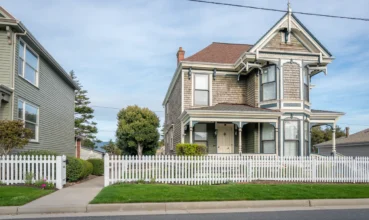
In the Bay Area, where the median home price is $1.6 million, affordable housing efforts often focus on rentals. Habitat for Humanity Greater San Francisco is working to expand homeownership for families earning between 50% and 80% of the area median income. The organization combines partnerships, sweat equity, and financing strategies to make ownership possible for moderate-income households.
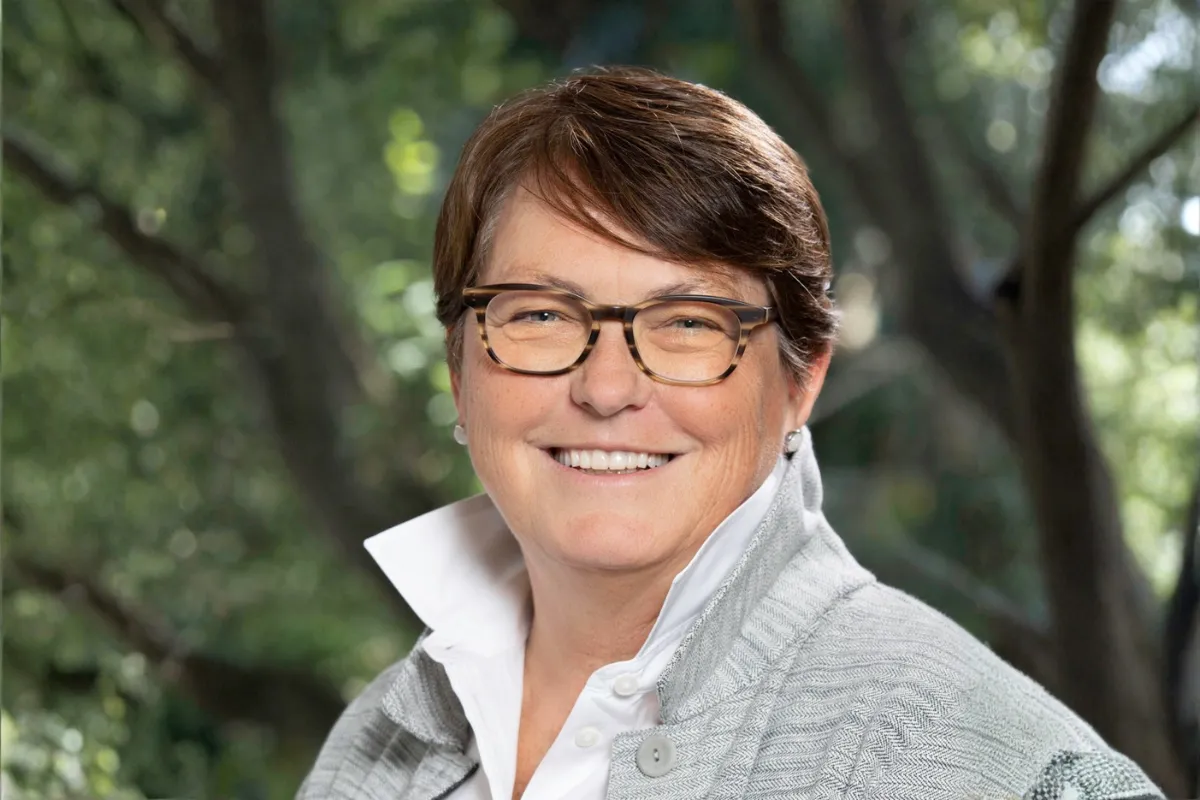
“Everyone should have the right to become a first-time homebuyer,” says Maureen Sedonaen, CEO of Habitat Greater San Francisco. She says the organization’s model could expand with more funding directed toward homeownership, not just rentals.
Homeownership Model Overview
Habitat Greater San Francisco focuses on ownership housing in San Francisco, Marin, and San Mateo counties, while many affordable housing efforts in the region emphasize rental units. The organization acts as developer, builder, and lender, offering low- or zero-interest loans with no down payment to qualified buyers. This approach provides long-term stability and allows families to build equity.
Habitat’s model enables families to build wealth over time. Each mortgage payment builds equity for the homeowner rather than a landlord or investor. To preserve affordability, the organization includes a first right of repurchase clause. This ensures homes remain accessible to moderate-income buyers instead of entering the open market.
Since its founding 39 years ago, the organization has combined multiple funding sources and requires each family to complete 500 hours of sweat equity. This requirement gives homeowners a stake in both the property and the community.
Sweat Equity and Community
Sweat equity is central to the model. Homebuyers work alongside volunteers, neighbors, business leaders, and local officials to help build homes.
“All homeowners complete up to 500 hours of sweat equity, but they do that not just with the families building the homes that they’re going to move into, but with the community, with businesses, with local elected officials, with faith communities,” Sedonaen says.
This effort builds social ties and shared investment in each project. The results are measurable. Children of Habitat Greater San Francisco homeowners complete college at almost twice the rate of their parents. These families also volunteer at higher rates and report improved mental and physical health.
Rising Construction Costs
Building affordable homes in the Bay Area requires ongoing adaptation. At a recent Novato project, costs rose 40% since 2019 due to increases in materials, labor, and financing.
“Material costs alone, lumber alone has been like 40%. Things like labor have gone way up. Project approvals also require millions of dollars in fees,” Sedonaen says.
In response, Habitat redesigned the Novato development to reduce site constraints. By avoiding gas line conflicts and limiting retaining walls, the organization built larger single-family homes suitable for multi-generational living without exceeding budget.
Financing Affordable Ownership
Habitat uses a blended financing approach that includes public funding, private donations, and homeowner mortgage payments. Cities and counties contribute funding, while philanthropy helps close gaps. Families pay about half the cost of their homes through affordable mortgages.
Habitat caps housing expenses at 30% of income, allowing families to save and cover basic needs.
“We cap their home expenses at 30% of their income so they can start to save. All the things families want to do for their kids can happen within this model,” Sedonaen says.
Demand for affordable homeownership remains high. When eight homes were offered in San Francisco’s Diamond Heights, more than 500 applications were submitted. A Peninsula project with 20 units received 700 applicants, with over half qualifying.
Policy and Funding Challenges
Policy changes at the state and local level have created new challenges. The 2025 California budget eliminated CalHome funding, resulting in a 20% funding gap for projects.
“If it’s not returned, we have a 20% funding gap that we need to fill,” Sedonaen says.
To address this gap, Habitat is working with community development financial institutions and banks while advocating for restored funding. Federal housing legislation offers some support, but long-term consistency remains uncertain.
A broader challenge is the allocation of funding. Most affordable housing funding in California supports rental development, limiting investment in ownership opportunities.
“As a country, we’ve come to accept that renting is fine and homeownership is a luxury. And if I could dispel any myth today, that is it,” Sedonaen says.
Expanding Ownership Access
Expanding affordable homeownership requires both funding and structural changes. Habitat supports a “housing ladder” approach that allows families to move from rental housing to ownership, freeing up rental units and supporting wealth building.
The organization is also exploring partnerships with larger developers. Mixed projects could include a share of ownership units alongside rentals, expanding access without changing overall project scale.
Habitat currently has nearly 200 homes in its development pipeline across San Francisco, Marin, and San Mateo counties.
Beyond housing, these projects support community stability. Building in high-opportunity areas helps strengthen schools and local institutions while supporting long-term economic mobility.
As housing costs rise, Habitat’s model shows that affordable homeownership can work in high-cost regions. Scaling this approach will depend on funding, partnerships, and continued community participation.
About the Expert: Maureen Sedonaen has served as CEO of Habitat for Humanity Greater San Francisco for nearly a decade, overseeing homeownership programs across San Francisco, Marin, and San Mateo counties. She focuses on expanding access to affordable housing through partnerships, community engagement, and innovative financing strategies.
This article is based on information provided by the expert source cited above. It is intended for general informational purposes only and does not constitute legal, financial, or real estate advice. Readers should conduct their own research and consult qualified professionals before making any real estate or financial decisions.