


The definition of luxury real estate in South Florida has changed significantly, with the minimum entry point for waterfront luxury properties rising from $1 million to $2.5 million over the...

Evolving Investment Trends Redefine Tampa Bay’s Residential Market

Written by:
Date:
03 Nov 2025
Share via Facebook

Share via Linkedin

Share via X

Copy to clipboard

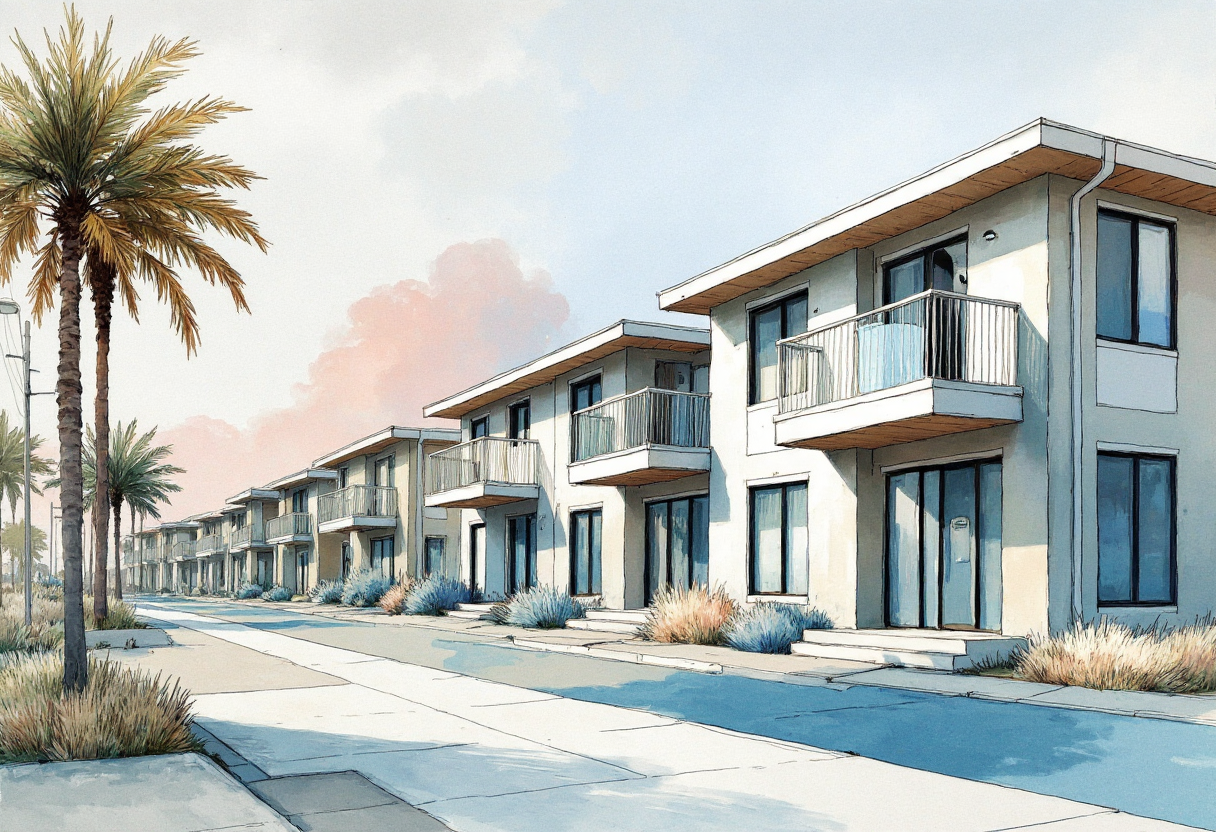
The investment landscape for residential properties in Tampa Bay is shifting toward greater advantages for buyers, with investors finding better deals despite higher interest rates, according to Irina Roth, real estate agent with Dalton Wade Inc. Roth recently shared insights on how current market corrections are creating new opportunities for investors focused on long-term rental properties.
“Basically, pretty much all of my clients are buying investments still, which you would be, you know, kind of thinking maybe it’s not the right time, but actually it’s a better time for them. They’re getting really good deals,” said Roth, who has nearly a decade of experience in Tampa Bay real estate and previously managed 47 vacation rental properties.
The Tampa Bay residential investment market has moved toward multifamily properties and long-term rentals over the past year, with investors increasingly moving away from fix-and-flip strategies that were more common in previous cycles.
According to Roth, the Tampa Bay real estate market currently favors investors focused on long-term rental and multifamily properties. He explained that these assets offer more stable returns compared to house flipping or distressed property investments, which have lost profitability due to increased renovation and material costs. For investors seeking consistent income, Roth applies the “1% rule,” a common benchmark that ensures a property’s monthly rent equals about 1% of its purchase price. For instance, a $400,000 triplex should generate approximately $4,000 per month in rent across its units.
Roth also noted that the local investment landscape is evenly split between cash buyers and those relying on financing. Cash purchases often give investors an advantage, enabling them to negotiate stronger deals and close transactions more efficiently. In contrast, financed offers can face more hurdles in competitive situations. Overall, Roth emphasized that success in the current market depends on adopting disciplined valuation strategies and aligning investment choices with long-term rental demand rather than short-term speculation.
Roth emphasized multifamily properties as especially promising, noting their ability to generate consistent rental income in the current market. She explained that these properties often allow for future conversion to vacation rentals in appropriately zoned areas, giving investors multiple exit strategies.
For those considering investments in Tampa Bay’s residential market, Roth identified the current interest rate environment as a primary challenge. “I would say not many people are taking out a loan because of the rate situation. And you know, it’s been promised they would go down, but again, when they drop them, it’s really not like they are dropping them.”
She also cautioned against relying on social media commentary about market timing, stating that investors should be “very mindful” of claims about rate drops and optimal buying windows that appear on platforms like TikTok.
Regarding potential returns, Roth suggests the present market offers better value than during the pandemic-driven surge. “So I would say the opportunities are really good because you can, as a buyer, you have so many options, so you can shop around, take your time, take three weeks if you want to, but at the end of the day, you can get a really good deal, save some money on the offer price up front, maybe get the closing costs covered,” she said.
The current investment climate stands in sharp contrast to the 2020-2022 period, when properties received dozens of offers within minutes of listing, driving investors into bidding wars that eroded profit margins and limited due diligence.
With the market correction underway, Roth’s perspective suggests that Tampa Bay now presents a more favorable environment for investors seeking long-term rental income, particularly in the multifamily sector. As buyers gain negotiating power and more time to evaluate opportunities, the region’s residential real estate is poised to attract investors willing to focus on stable, income-producing assets.
Similar Articles
Explore similar articles from Our Team of Experts.



Real Estate Investment, Perspectives, Industry News, Residential Real Estate, Market Analysis & Policy
A combination of rising insurance costs and increasing HOA fees has turned Jacksonville Beach’s oceanfront condos from sought-after investments into difficult properties to sell, according...

Perspectives, Real Estate Investment, Industry News, Commercial Real Estate, Market Analysis & Policy
A leading real estate investor is pushing back against widespread predictions that artificial intelligence will decimate office demand, arguing that history shows technological disruption of...

