

Buying your first home is often more complex than expected. Instead of a straightforward process, you may find yourself managing paperwork, strict deadlines, and multiple parties you didn’...

Rochester, Minnesota's Housing Market Holds Firm While Other Markets Cool

Written by:
Date:
12 Dec 2025
Share via Facebook

Share via Linkedin

Share via X

Copy to clipboard

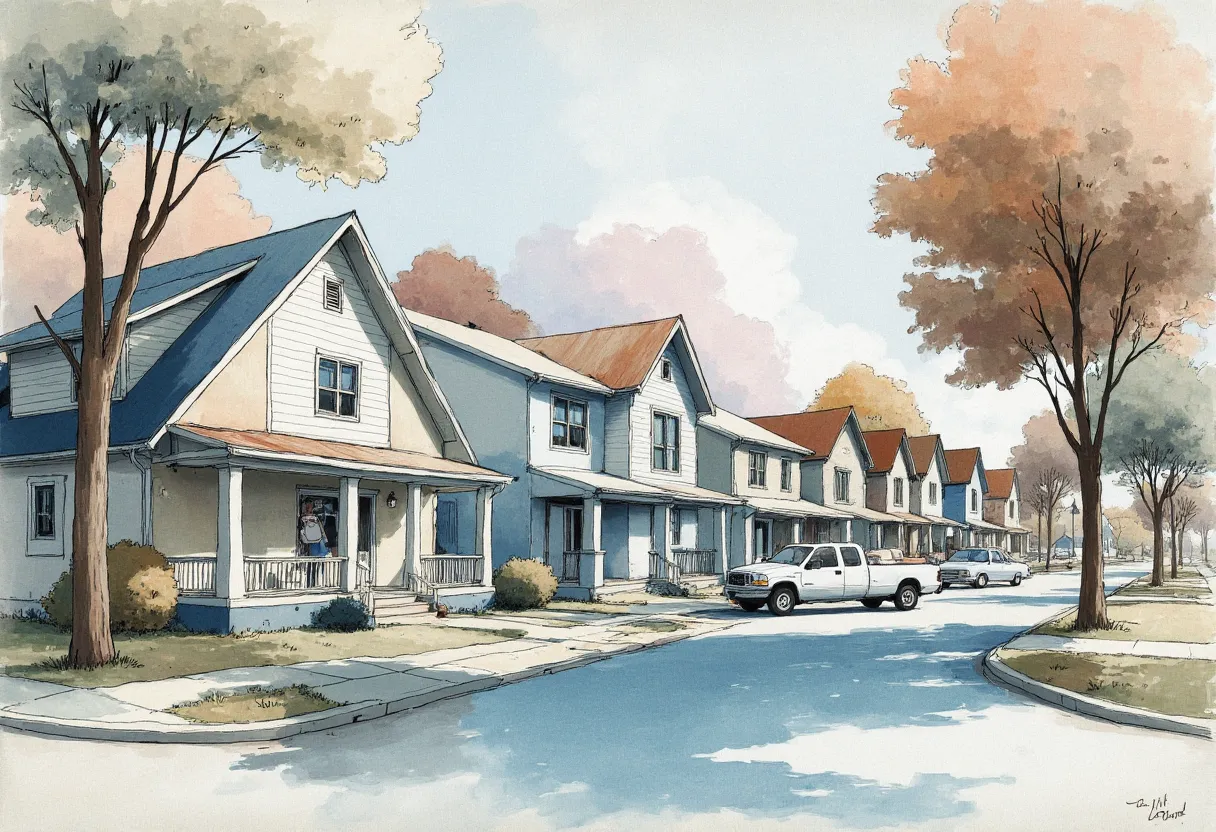
While much of the country is seeing slower sales and price cuts, Rochester, Minnesota, stands out as an exception. Despite national headlines about a cooling market, this mid-sized city is maintaining its momentum, with inventory remaining tight and prices continuing to climb.
Local buyers and sellers have noticed that homes in Rochester are still moving quickly, and the upward pressure on prices has not let up. The reasons behind this steady performance reveal why Rochester is insulated from the broader slowdown affecting many U.S. cities.
Current Market Snapshot
Although Rochester’s housing market has cooled from its pandemic-era peak, it has not stalled. On a recent day, there were about 330 homes for sale across the city, spanning a range of price points. In a balanced market, Rochester would have closer to 1,100 active listings. That gap signals that demand continues to outpace supply, even as buyers take more time to make decisions.
Homes are no longer disappearing within hours of listing, and competition has eased slightly. Still, well-priced properties continue to attract steady interest, and prices have continued to trend upward, bucking the broader national slowdown.
Why Rochester Is Holding Up
Rochester’s housing market is behaving differently from many other U.S. cities because demand remains closely tied to stable, local drivers. Chief among them is the Mayo Clinic, which anchors the region’s economy and continues to expand. The hospital’s recently announced $5 billion investment is expected to bring additional jobs and new residents, sustaining housing demand well beyond the current cycle. As Alex Mayer, a real estate agent with Rochester Area Homes by Alex, puts it, “Mayo is not going to wake up one morning and decide to move.”
Relocation demand also plays a role. Each spring, incoming medical residents and staff arrive from out of state, many with secure employment and the financial ability to buy. That annual influx replenishes the buyer pool even as national migration patterns soften.
At the same time, supply remains constrained. New construction has not kept pace with demand, in part because rising material costs have pushed most new homes into higher price brackets. Existing homeowners are also reluctant to sell, especially those who locked in mortgage rates near 2.5 percent and would face rates closer to 7 percent on a new purchase. That hesitation keeps inventory tight and limits price relief.
Together, these factors have insulated Rochester from the sharper pullbacks seen elsewhere.
Sales Slower But Still Strong
The pace of transactions in Rochester has moderated, but not collapsed. Buyers who once felt pressured to make offers within 48 hours are now more likely to take a week to decide. Closings that previously wrapped up in 30 days are stretching closer to 45 days, largely due to more required documentation and negotiation around repairs.
“It’s a much less frantic pace,” Mayer says. Buyers have time to evaluate their options, but competition remains for homes that are priced appropriately and presented well. Properties that miss the mark on price or condition are sitting longer, while well-prepared listings continue to move.
Guidance for Today’s Market
For buyers, the slower pace offers breathing room. There is time to tour homes carefully, compare options, and negotiate for help with closing costs or mortgage rate buydowns, in which the seller contributes funds to temporarily or permanently lower the buyer’s interest rate and monthly payment. Sellers are more flexible than they were a year ago, but buyers still need to be fully pre-approved, as sellers continue to favor clean, reliable offers.
For sellers, pricing accurately from the start is critical. Overpricing can lead to longer market times and weaker offers. Also, starting with a overly high price makes potential buyers wary when the price comes down. (“What’s wrong with it?,” they might ask.) Small concessions, such as covering closing costs or offering a home warranty, can help listings stand out. Presentation matters more than it did during the pandemic surge, when demand alone carried many sales.
For renters and landlords, the rental market remains tight. Demand from Mayo Clinic employees and short-term residents continues to generate steady applications, leaving renters with fewer choices and landlords with consistent interest.
Taken together, these conditions explain why Rochester has avoided the sharper price cuts and inventory buildup seen in many other markets. Demand has cooled just enough to slow the pace, but not enough to tip the balance. For now, limited supply and steady inflows continue to support prices.
About the Expert: Alex Mayer is a real estate agent with Rochester Area Homes by Alex in Rochester, Minnesota. He specializes in first-time buyers, relocation clients, and move-up buyers.
This article provides insights into local real estate trends in Rochester and is not intended as legal or financial advice.
Similar Articles
Explore similar articles from Our Team of Experts.