While much of Sarasota’s real estate market faces price corrections and inventory constraints, two property segments are outperforming the rest, according to Joey Lamielle, team leader at ...

Rising Construction Costs Are Forcing Tampa, Florida Affordable Housing Developers to Abandon New Projects

Written by:
Date:
07 Mar 2026
Share via Facebook

Share via Linkedin

Share via X

Copy to clipboard

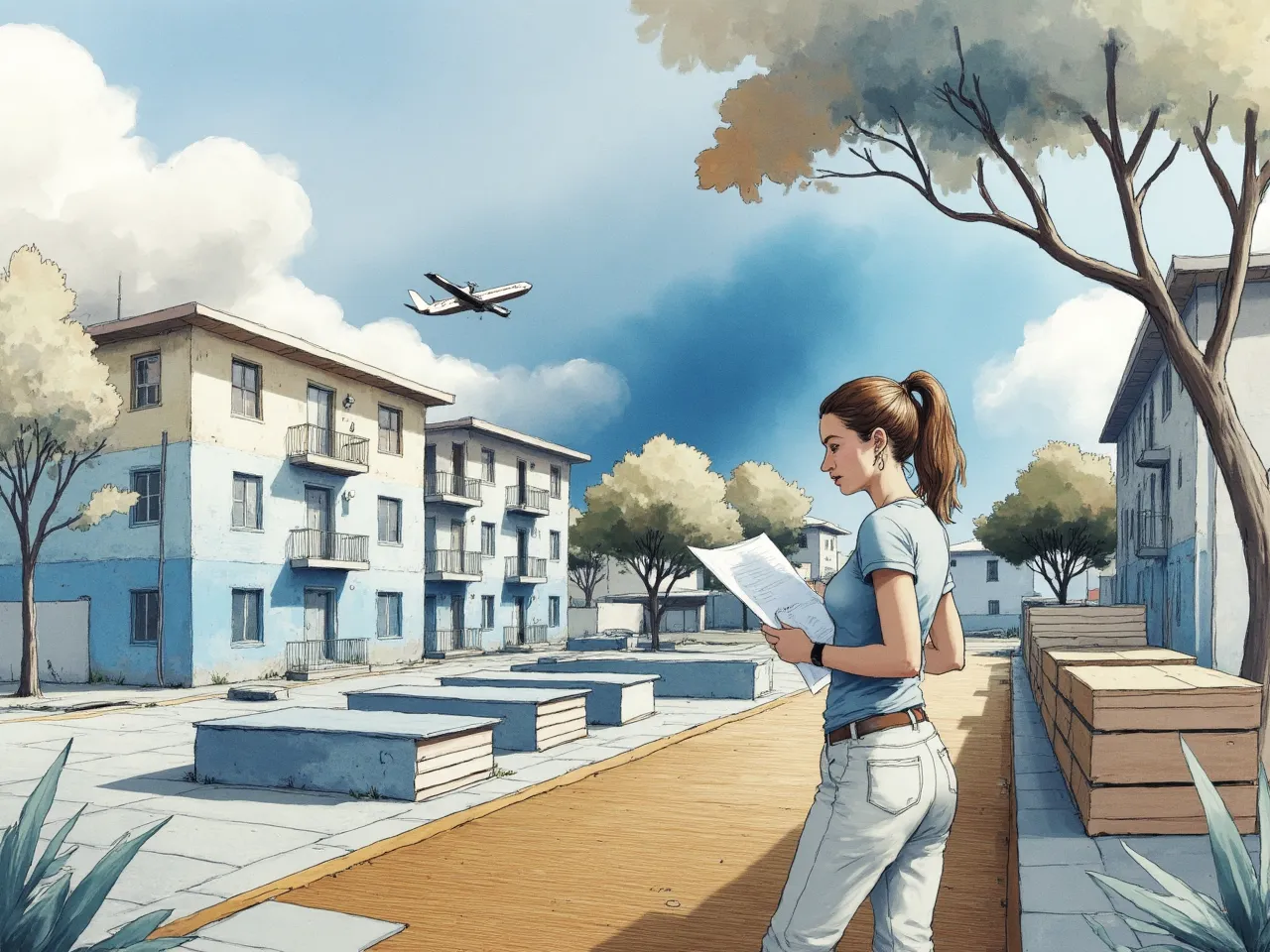
Rising construction costs are forcing affordable housing developers in Florida to pause or abandon projects that were financially viable just 18 months ago. Miles Alexander III, Founder and Managing Partner at Alexander Goshen, says higher material prices, persistent labor shortages, and elevated interest rates are making it difficult to bring new affordable units to market. The problem persists even where developers have secured public subsidies and tax-credit financing.
“It’s all about penciling,” Alexander says, referring to the financial calculations that determine whether a project moves forward. Alexander says many developers are now holding their land and waiting for construction costs and interest rates to improve before committing to new projects.
Alexander Goshen specializes in workforce and affordable housing in Florida, Texas, and Georgia, targeting households earning 80% or less of the area median income. The firm relies on tax credit equity, community development block grants, and other public funding to make projects feasible. Alexander says that even with those subsidies in place, rising construction costs are eroding margins. Delivering housing at targeted income levels is becoming harder to sustain.
How High Material Costs and Delivery Delays Are Killing Florida Affordable Housing Projects
While construction costs have declined slightly from their peak, material prices remain well above pre-pandemic levels. Delivery delays continue to create uncertainty, and developers are struggling to secure firm pricing commitments throughout a project.
Alexander says that although material costs have eased somewhat over the past year, they remain too high for many projects to pencil out. Affordable housing developers, who already operate on thin margins, are particularly vulnerable. When material prices rise, developer options are limited: absorb the extra cost, seek more public funding, or shelve the project entirely. For many, shelving the project has become the default.
Developers are re-examining their project pipelines to determine which developments can still work under current conditions. Many projects that appeared feasible in 2022 or early 2023 are being delayed or canceled as material costs remain elevated.
Why Labor Shortages Are Pushing Florida Affordable Housing Costs Beyond What Developers Can Absorb
Labor shortages are compounding the cost pressures on Florida affordable housing developers. Alexander attributes part of the shortage to changes in immigration policy, which he says have reduced the availability of construction workers.
“We’re dealing with administrative stuff that calls for labor to be difficult to find,” Alexander says.
With fewer workers available, wages have risen, driving up overall project costs. The wage pressure is especially problematic for affordable housing developers, whose rents are capped based on area median income. Unlike market-rate builders, affordable housing developers cannot simply raise rents to offset higher expenses. Instead, developers must either cut costs elsewhere or secure additional subsidies, options that are becoming harder to realize.
The combined effect of higher material prices and labor shortages means that many projects underwritten 18 months ago no longer make financial sense. There is no clear indication of when construction costs or labor availability will improve enough to restore project feasibility.
How Elevated Interest Rates Are Making Florida Affordable Housing Projects Harder to Finance
Higher interest rates have added significant financing pressure on top of rising material and labor costs. Although rates have declined slightly in recent months, interest rates remain well above the lows seen in 2020 and 2021. For developers relying on construction loans and permanent financing, higher rates increase debt service costs. That reduces the amount of equity available to fund development.
Alexander says interest rates are a crucial factor in project feasibility. Even small rate increases can turn a viable project into a non-starter. “We’re looking at the numbers. We’re looking at interest rates, hoping that they will keep decreasing,” Alexander says.
Unlike market-rate developers who can sometimes wait for more favorable conditions, affordable housing developers face pressure from intensifying housing shortages. Rising construction costs and elevated financing terms make it difficult to deliver projects at the scale and speed the shortage demands.
How Florida Affordable Housing Developers Are Cutting Projects and Narrowing Their Focus to Survive
In response to rising costs and tighter financing, Alexander Goshen has moved away from project types that no longer generate a financial return. Alexander says the firm has stopped pursuing hospitality projects and is focusing almost exclusively on workforce and affordable housing. The company is also being more selective, prioritizing projects with strong public-sector partnerships and multiple sources of subsidy. Projects that depend solely on market-rate financing or lack sufficient public support are being set aside.
The narrowed focus has slowed the pipeline and reduced the number of new projects breaking ground. Alexander Goshen has several developments underway, including a 67-unit project in Tampa and a 202-unit building in St. Petersburg, but the firm is hesitant to add new projects without greater cost certainty.
Why Florida’s Affordable Housing Shortage Will Worsen Until Construction Costs Come Down
High construction costs, labor shortages, and elevated interest rates are forcing Florida affordable housing developers to delay or abandon projects that cannot pencil out under current conditions. The timeline for cost relief remains uncertain, and developers have few options beyond waiting.
As Florida’s housing shortage deepens, the bottleneck in affordable development is likely to persist unless construction costs and financing terms improve. The path to delivering new affordable units in the state is steeper and more uncertain than it has been in years.
Similar Articles
Explore similar articles from Our Team of Experts.