While national headlines highlight a slowdown in new construction, several master-planned communities in Wesley Chapel are seeing steady buyer demand. According to Whitney Lohr, team leader ...

New Home Buyers Have No Idea How Poorly Their Houses Are Actually Constructed

Written by:
Date:
16 Feb 2026
Share via Facebook

Share via Linkedin

Share via X

Copy to clipboard

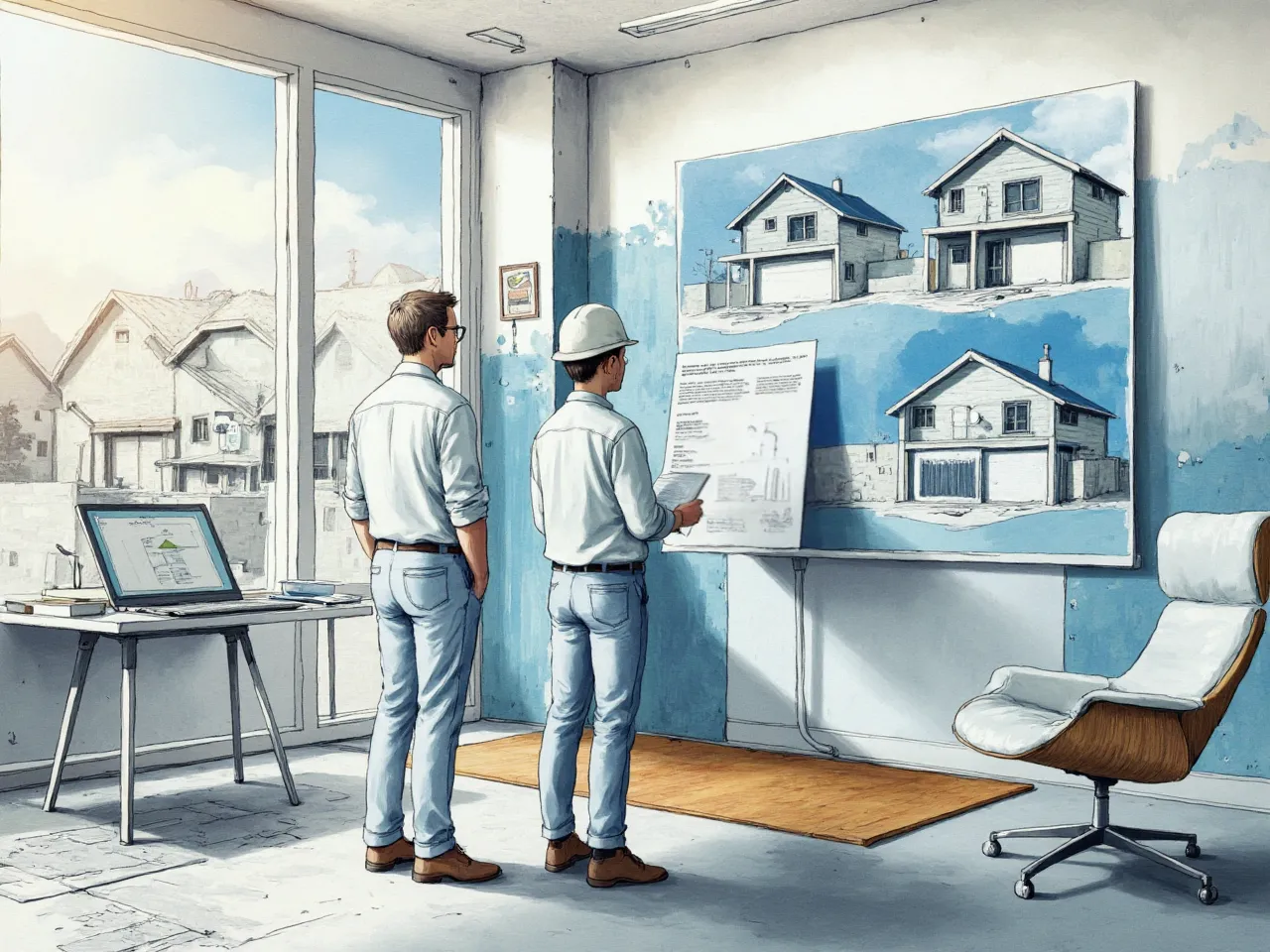
Most homebuyers never realize that the new house they purchased is likely built to low-quality standards, according to Cary DeCamp, Managing Director of Kala Performance Homes. He says the gap between what buyers expect and what they actually receive is both common and costly.
“They have no idea how thin the walls are. They have no idea how much air is leaking through their wall. They don’t understand the quality,” DeCamp says. Many buyers assume a new house means high quality, but he argues this is rarely the case.
DeCamp says this lack of awareness has allowed poor construction quality to become the norm in residential building. “People who are just consumers just get ripped off all the time, and they do not realize how poor quality most residential construction is,” he explains.
The Code Minimum Trap
DeCamp traces the problem to the way building codes are written and enforced. Building codes are designed to prevent disasters, homes that collapse or burn easily, but they do not require builders to prioritize durability or energy performance.
“Code is structured that way, and it’s effective, but they don’t worry about durability, and they don’t worry about thermal efficiency,” DeCamp says. The code’s main function is to keep homes standing and safe from fire, not to ensure they last or perform well over time.
This sets a low baseline that most builders treat as the target rather than the starting point. As a result, homebuyers have no way to judge what “meeting code” actually means for a home’s performance after a few years of use.
DeCamp cites Kansas City’s building code as an example, noting that it is “not particularly stringent.” Local codes focus on immediate safety but do not address issues like moisture intrusion, air leaks, or long-term material failure.
As a result, buyers often discover costly problems years later, issues that could have been avoided with better construction. “People don’t want to buy a new house and have to spend $10,000 in a decade replacing windows because of wood rot,” DeCamp says.
Cost Pressure Drives Quality Down
Recent increases in construction costs have exacerbated the problem. According to DeCamp, builders under financial pressure have chosen to cut corners on quality rather than reduce square footage.
“The cost of new construction is crazy, and to keep construction costs down, the first thing that has gotten cut is quality, not size,” DeCamp says. He explains that while some builders are now building smaller homes to control costs, the initial response was almost always to lower construction standards.
This has led to buyers purchasing larger homes that appear impressive on paper but are built with lower-quality materials and methods. DeCamp notes that younger buyers are shifting away from the “McMansion” trend and are more willing to consider smaller homes. However, the underlying issue remains: most buyers still can’t assess the quality of what they’re buying.
DeCamp admits it took him years to understand the difference between high-quality and conventional construction, even after entering the industry from a technology background. Most buyers, he says, have even less information to work with.
The Information Asymmetry Problem
DeCamp argues that the core issue is information asymmetry: buyers lack the knowledge or tools to assess construction quality, and the industry provides little guidance.
“I don’t even know where they would start,” he says when asked how consumers could become more informed about what’s behind the walls. Key performance factors like air tightness, thermal bridging, and assembly durability are rarely explained to buyers, even though they directly affect comfort and long-term costs.
As a result, buyers focus on visible finishes and features rather than the hidden elements that determine whether a home will be comfortable, efficient, and durable. “The general consumer needs to be educated about how poorly their house is probably built,” DeCamp says.
This lack of transparency also creates a challenge for builders seeking to deliver higher quality. If buyers cannot evaluate or compare construction standards, they have little reason to pay more for a better-built home. This reinforces a race to the bottom in both price and quality.
An Emerging Alternative Approach
Kala Performance Homes, DeCamp’s company, is one of the few firms building to higher performance standards. The company uses passive house principles as a framework, focusing on air tightness, insulation, and durability, even when not pursuing formal certification.
“We don’t certify every house we build, but they are very close to being certifiable,” DeCamp says. “We build far above what is required by code in terms of air tightness, which is actually not part of any code in our area, in terms of thermal performance, in terms of all the things that matter in building a home from a performance standpoint.”
The company’s business model is built around serving buyers who are deliberate and informed about their choices. “They know we’re different, and they know they’re going to get a different type of home, and so they don’t do it casually,” DeCamp says.
Looking Ahead
Whether this approach spreads beyond a niche market will depend on the industry’s willingness to make construction quality more transparent for mainstream buyers. Until buyers have clear, accessible ways to compare what they are actually buying, most will continue to rely on surface features and marketing claims.
For now, the lack of transparency in residential construction leaves most new home buyers exposed to costly surprises and low standards. Unless the industry changes how it communicates and delivers quality, DeCamp warns, “People who are just consumers just get ripped off all the time.”
Similar Articles
Explore similar articles from Our Team of Experts.