
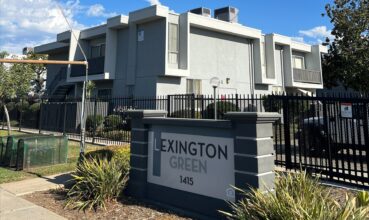
EL CAJON, Calif., Aug. 27, 2024 (GLOBE NEWSWIRE) — CPP (Community Preservation Partners), a mission-driven affordable housing preservation developer, has announced the acquisition and...

Ohio Approves $2.4 Billion Property Tax Relief for Homeowners

Written by:
Date:
23 Jan 2026
Share via Facebook

Share via Linkedin

Share via X

Copy to clipboard


Ohio homeowners facing steep property tax bills will soon see relief after state lawmakers approved a $2.4 billion package aimed at slowing the pace of tax increases following recent property reappraisals. The measures, included in House Bill 186 and House Bill 305, focus on residential property owners whose home values have risen sharply in recent years.
State leaders say the legislation is an initial step toward broader reform. Homeowners are encouraged to understand how the changes may affect them and prepare for further adjustments expected in 2026.
Why Property Tax Relief Matters Now
Recent property reappraisals across Ohio have resulted in significant increases in assessed home values, leading many long-time residents to face tax bills that rival or exceed their mortgage payments. This surge has sparked widespread concern, with residents reaching out to state officials about unaffordable tax hikes.
Brian Lorenz, Director of Planning and Permitting at the Ohio House of Representatives, says the new relief measures respond directly to these calls. “When I get calls from people that say, ‘I’ve been in my home 30 years, and I can’t pay my taxes because they’re worth more than my house,’ we’ve got a problem,” Lorenz says.
What the New Laws Will Change
The relief package targets homeowners hardest hit by recent reappraisals. The key provisions include:
- Slowing the rate of property tax increases for residential owners whose home values have surged.
- Providing immediate, targeted tax reductions to qualifying homeowners once the bills are signed into law.
- Laying groundwork for further reforms in 2026.
“These are first steps,” Lorenz says. “They’re certainly not the solution—they’re part of the solution, but the story continues.”
The bills are awaiting the governor’s signature. Once enacted, the relief will begin to appear in 2025 tax bills for most homeowners, although timing may vary by county.
Steps Homeowners Can Take Now
Ohio residents may want to take the following practical steps to stay informed and potentially benefit from the relief:
Stay Updated on Future Legislation – Additional property tax reforms are expected in 2026. Residents can follow local news or sign up for updates from state representatives.
Review Your Property Appraisal and Tax Bill – Compare your home’s assessed value to recent sales in your area. Sharp increases may qualify for relief.
Contact Your County Auditor – Confirm your county’s implementation timeline, as not all counties will apply relief at the same time.
Note Your County’s Reappraisal Schedule – Ohio conducts reappraisals every three years. Knowing the next date helps anticipate future changes.
Who Benefits Most
The new tax relief primarily benefits residential property owners, especially long-time homeowners and those in areas with rapidly rising values. Seniors and owners on fixed incomes who have seen their property values double or triple over the past decade are among those most likely to see significant reductions.
Commercial property owners face similar reappraisal pressures, but often use local tools such as tax increment financing and community reinvestment abatements to manage their tax burden. “The commercial businesses seem to make up the margin,” Lorenz notes, explaining that experienced developers frequently negotiate with local governments to offset tax increases through economic development incentives.
Implementation Timeline
The relief measures will take effect once the governor signs them. Most homeowners should expect to see changes reflected in their 2025 property tax bills. There is no grace period; once the laws are active, qualifying properties will immediately benefit.
However, the relief is not permanent or all-encompassing. Lawmakers have said that additional reforms are planned for 2026, making this just the first phase in a longer process of property tax reform.
What’s Next: Further Changes Expected
Lorenz underscores that the new laws are only a starting point. “We ran on a commitment that we were going to bring in property tax relief, and just because we passed four bills doesn’t mean we need to stop,” he says.
Future reforms could include:
- Adjustments to how properties are appraised, possibly to reflect market realities better or limit sudden spikes.
Expanded exemptions for certain groups, such as seniors or disabled homeowners.
New limits on how much property taxes can rise in a single year.
Homeowners should stay engaged and informed, as changes to assessment methods or additional relief measures could further reduce their tax liabilities in the coming years.
Key Takeaways for Homeowners and Investors
Ohio’s $2.4 billion property tax relief package offers immediate support for many homeowners, but it does not solve all tax-related challenges. Homeowners and investors may want to:
- Review current property appraisals and tax bills.
- Contact county auditors to confirm when relief applies.
- Track upcoming reappraisal dates.
- Stay informed about legislative developments, particularly additional reforms planned for 2026.
Lorenz concludes, “This is an incremental approach to creating a successful environment. There’s a great deal more work to do.”
This article summarizes recent property tax changes in Ohio and is not legal, financial, or investment advice. Consult your county auditor or a qualified tax professional for guidance specific to your situation.
Similar Articles
Explore similar articles from Our Team of Experts.