Scottsdale’s luxury real estate market is facing a standoff between sellers and buyers that is slowing sales while keeping prices steady, even as demand has cooled from pandemic-era hi...

Northwest New Jersey Entry-Level Homes Sell in Two Weeks While Mid-Range Properties Stall

Written by:
Date:
15 Mar 2026
Share via Facebook

Share via Linkedin

Share via X

Copy to clipboard

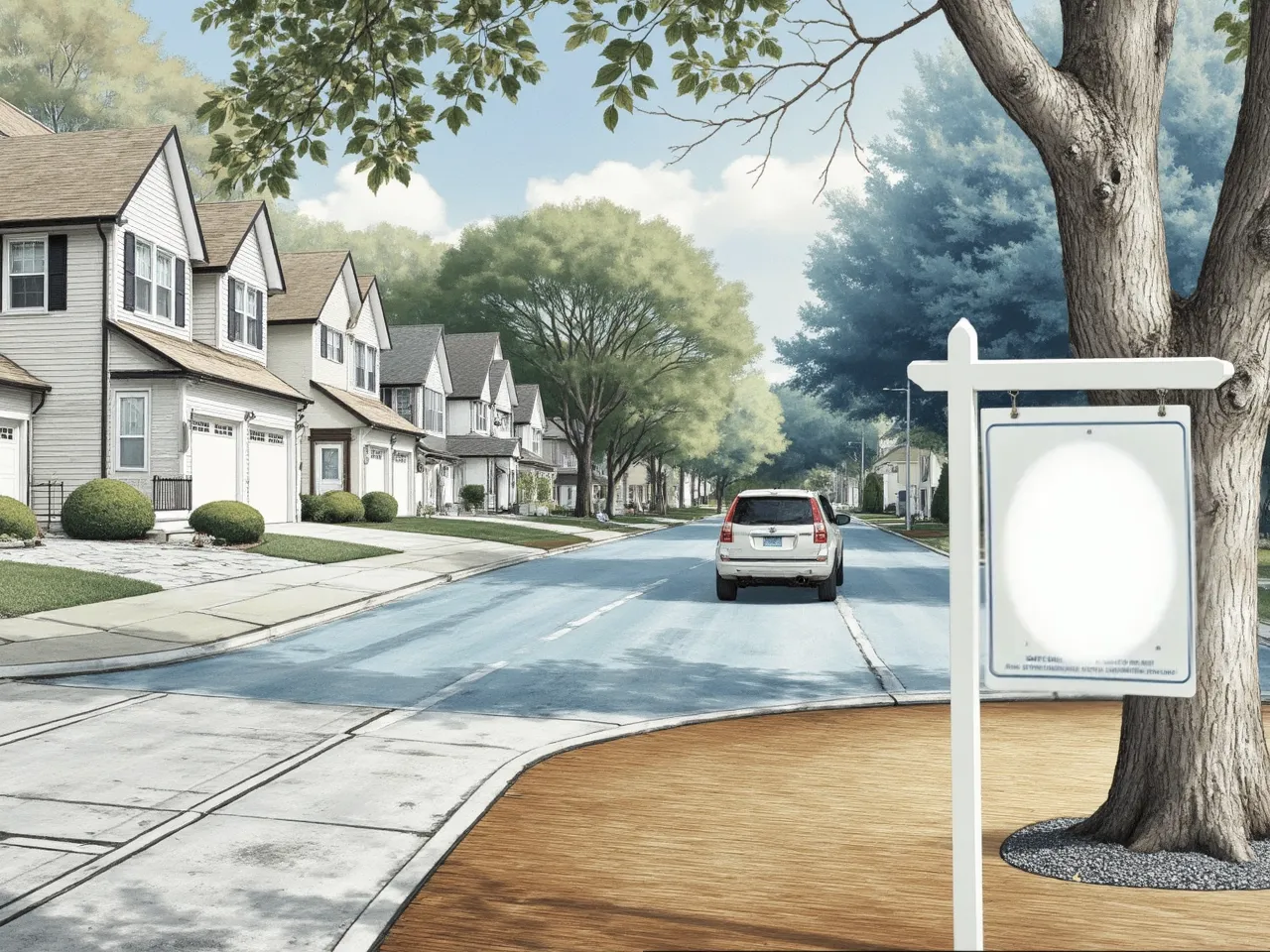
Northwest New Jersey’s housing market is sharply divided by price point. Entry-level homes sell in less than two weeks while properties priced between $600,000 and $900,000 linger on the market and often require price cuts. Tara Lauterbach, Sales Associate at RE/MAX Heritage Properties, says the split reflects strong buyer demand for affordable homes and the regulatory barriers that limit new construction.
Entry-level homes in areas like Mount Olive, typically priced up to $600,000, sell quickly when they are move-in ready and well-marketed. Lauterbach notes, “Entry-level houses in Mount Olive up to $600,000 are still moving quickly — within two weeks — if the house is marketed correctly, is turnkey, and doesn’t have major problems.”
This pace stands out against the broader Northern New Jersey market, where average days on market increased by about a week in 2025. Lauterbach attributes the difference to buyer demographics and the persistent shortage of affordable homes. New construction is nearly nonexistent in the area, constrained by strict land-use regulations and limited buildable land.
Land-Use Regulations Block New Home Construction
New Jersey’s land-use policies have left little room for large-scale residential development in Northwest New Jersey. Most undeveloped land is either environmentally protected or already zoned, making it nearly impossible to build new subdivisions that would add entry-level inventory.
Lauterbach explains, “In New Jersey, we have wetlands and Highland restrictions. Most of the land is either in preservation farmland or it’s already been zoned and utilized.” As a result, new construction is limited to scattered infill lots or tear-downs rather than the larger developments that would typically increase housing supply.
The most recent significant project in Mount Olive, a Ryan Homes development, offered homes on small lots. Even so, buyers were required to pay separately for features considered standard in other markets. Builders advertise base prices around $700,000. Lauterbach warns buyers to expect final prices between $800,000 and $900,000 after upgrades. Basic features such as soft-close cabinets are considered extras. Common upgrades include quartz or granite countertops, hardwood flooring, stainless steel appliances, upgraded lighting, and finished basements — all of which add up quickly.
“Everything you touch requires an upgrade,” Lauterbach says.
High property taxes on new construction further reduce affordability, discouraging buyers and pushing demand toward existing homes under $600,000. This keeps entry-level inventory tight and ensures that move-in-ready homes in this range sell quickly when priced appropriately.
Mid-Range Homes Stall as Buyers Demand Better Pricing
While affordable homes are snapped up, properties priced between $600,000 and $900,000 are taking longer to sell. In 2025, many sellers cut prices by $25,000 to $50,000 to attract buyers. Lauterbach attributes this to overpricing and increased caution among buyers weighing whether to move up or stay in their current homes.
Buyers in this segment are often families seeking more space or multi-generational households considering larger homes. If listings do not meet their needs or are priced too high, these buyers choose not to move. This creates a bottleneck. Sellers expect higher prices, but buyers are selective and willing to wait. Lauterbach notes that these buyers are “very savvy on the price” and factor in renovation costs for kitchens and bathrooms before making an offer. Emotional decisions are rare. Most buyers are focused on the financial implications of moving.
Tear-Down Rebuilds Fill the New Construction Gap
The lack of available land has led builders to focus on tear-down projects, where older homes on desirable lots are demolished and replaced with new builds. These homes are priced at a premium and carry the highest property tax rates, reducing their appeal to buyers seeking affordability.
Lauterbach describes the dynamic: “It’s really a teardown — an old, decrepit home rebuilt on the same property — and they are getting premium prices.” This approach meets demand from higher-end buyers but does not address the shortage of affordable homes. The persistent regulatory barriers ensure that large-scale, lower-cost development remains off the table, keeping entry-level supply tight.
Inventory Shortage Is Structural, Not Cyclical
Lauterbach’s observations indicate that Northwest New Jersey’s inventory challenge is not a short-term market fluctuation tied to interest rates or temporary shifts in demand. The shortage stems from long-standing land-use policies and environmental regulations. Unless zoning or preservation rules change, the region will face continued limits on new construction and sustained pressure on affordable inventory.
What the Market Means for Buyers and Sellers
For buyers, the lack of new construction means competition for turnkey entry-level homes will remain intense. Lauterbach advises buyers to act quickly when they find a suitable property, since entry-level homes often go under contract within days.
For sellers, realistic pricing is essential. Overpriced mid-range listings stall and eventually require price cuts. Entry-level homes priced correctly move quickly. Lauterbach stresses that sellers should base pricing on current conditions, not past market peaks or automated estimates.
Northwest New Jersey’s market is settling into a new reality defined by regulatory limits on supply, fast-moving entry-level sales, and a cautious mid-range segment. The ongoing question for policymakers is whether current land-use restrictions support the region’s long-term housing needs or contribute to affordability problems that could limit opportunities for future homeowners.
Similar Articles
Explore similar articles from Our Team of Experts.