Newport, Rhode Island’s luxury real estate market offers a clear view into the forces shaping high-end coastal housing across the United States. With average home prices now above $1 million and nearly 90% of deals closing in cash, this historic seaside city demonstrates how affluent buyers are responding to today’s market realities — limited supply, increased competition, and changing community demographics.
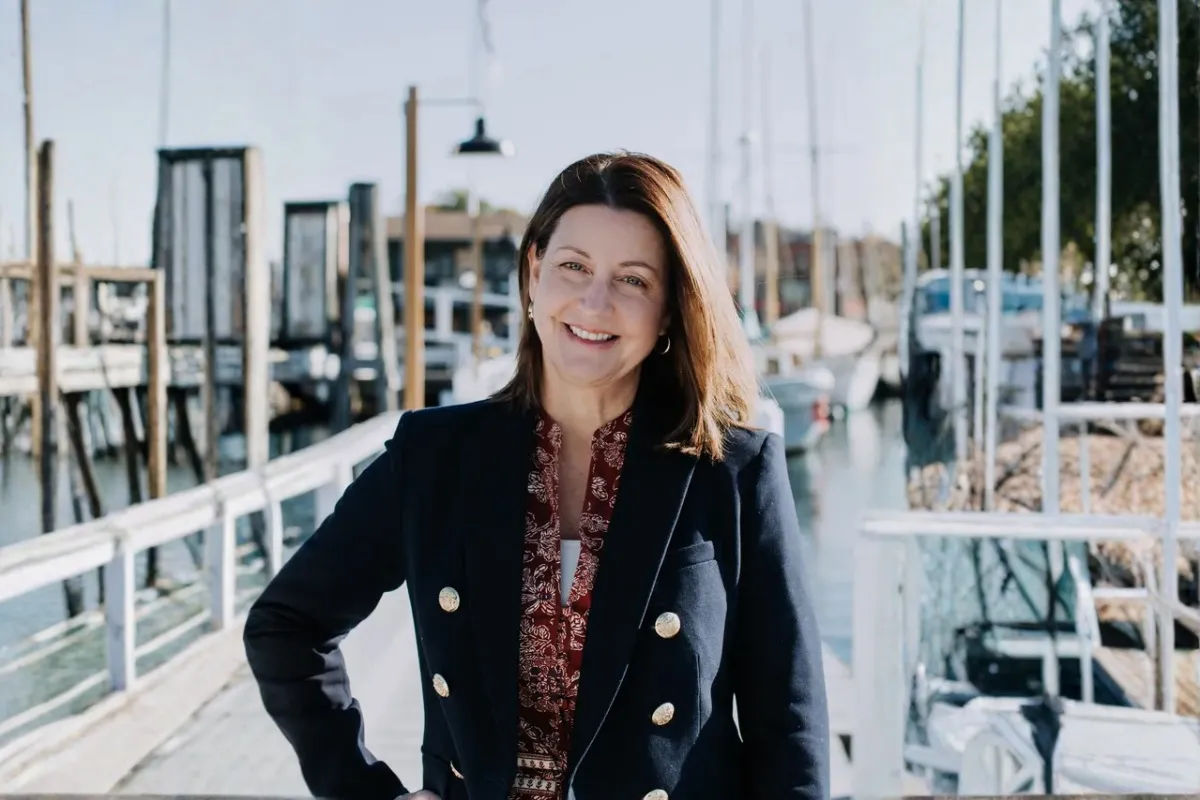
Kimberly Fleming, a broker associate at Gustave White Sotheby’s International Realty, has watched Newport’s evolution over her 37-year career. She recalls a time when Newport was “undiscovered and undervalued.” Still, she says the city has now become a prime target for luxury buyers priced out of or looking for alternatives to other Northeast coastal enclaves. Fleming’s experience provides a window into how these trends are playing out in Newport and in similar markets nationwide.
A Destination Defined by Access and Value
Newport’s appeal goes beyond its famous mansions and maritime history. Its location — less than two hours from Connecticut and Massachusetts — makes it accessible for weekenders and second-home buyers from major metropolitan areas. Compared to the Hamptons or Nantucket, Newport still offers relative value, though that gap is closing as prices climb.
“A lot of New Yorkers have discovered us because we’re a better value than the Hamptons,” Fleming says. Buyers can still find properties for less than $20 million, but even at these price points, prices are starting to rise as demand intensifies.
The city’s character also draws a diverse, international mix of residents. Newport’s sailing industry, arts scene, and year-round community make it attractive to buyers seeking more than just a vacation home. “There are a lot of people from different countries, and a lot of people in the sailing and arts communities,” Fleming observes, highlighting the city’s cosmopolitan atmosphere.
Inventory Shortages
The most pressing issue in Newport’s luxury segment — mirroring other top coastal markets — is a severe shortage of homes for sale. Fleming describes inventory as “very low,” particularly for properties priced at $3 million and above. High demand and limited supply have made traditional listing strategies less effective, forcing agents to get creative.
To find homes for clients, Fleming often turns to off-market deals. In a recent case, she spent months calling and visiting homeowners directly to secure a property that matched a buyer’s needs. That client, who initially planned to spend $3 million to $4 million, ultimately paid $5 million — a result of both limited options and seller expectations for premium pricing.
“If I’m knocking on doors and asking sellers to consider selling, there’s going to be a ‘make me move’ price, and that’s going to be a premium,” Fleming tells her clients. Buyers who want to secure a home in Newport’s top tier must be prepared to pay above what recent sales might suggest.
Island Geography and Building Restrictions Limit Growth
Newport’s geography imposes natural constraints on housing supply. Located on Aquidneck Island — shared with Middletown and Portsmouth — the city cannot expand outward like markets on the mainland. The amount of land available for new development is limited, and building restrictions further complicate efforts to add inventory.
“We are an island, and we have only so much inventory and so much land,” Fleming points out. Her current project, which includes 11 new lots, is considered unusually large for the area. Even the common strategy of buying older homes to tear down and rebuild is becoming less feasible due to stricter building regulations.
These geographic and regulatory barriers mean that, unlike many other markets, Newport cannot easily increase supply in response to rising demand. This keeps competition high and supports ongoing price appreciation.
Rising Prices Push Out Year-Round Residents
The rapid rise in home values is changing Newport’s community profile. Areas like Middletown and Portsmouth, once dominated by year-round residents, now see average home prices exceeding $1 million. Many local families and workers are finding it increasingly difficult to afford to stay.
“That’s driving those people — they simply can’t afford to sustain that and live here,” Fleming explains. The shift is especially visible in the service and tourism sectors, where businesses struggle to house seasonal employees.
To address this, larger employers are buying multi-family properties to use as workforce housing. “A lot of these larger corporations are buying up employee housing,” Fleming says. Hotels and restaurants are turning to direct property ownership as traditional visa and seasonal housing programs become less reliable.
Cash Purchases Shield Market from Rate Hikes
Interest rate volatility has had little effect on Newport’s luxury market. Roughly 90% of high-end transactions are completed in cash, insulating this segment from the financing concerns that have slowed sales in other price ranges.
“Most of the buyers in that price point are paying cash,” Fleming says. Rate changes “don’t really matter to them.” Even during periods when mortgage rates were at historic lows, many buyers still chose cash purchases — sometimes following financial advisor recommendations to finance, but now almost always closing without loans.
As a result, Newport’s upper tier remains active even when broader markets pause. The city’s reliance on cash buyers is a defining feature that distinguishes it from less affluent regions.
Investment Returns Rely on Appreciation
For investors, Newport’s numbers do not always make immediate financial sense. Rental income rarely covers the cost of acquisition, especially at today’s prices. “The return on investment, the numbers don’t always work — the rents don’t necessarily justify the price,” Fleming says.
However, the calculation for many buyers is over the long term. Investors are often willing to accept break-even or even negative cash flow in exchange for the potential of significant appreciation. As Fleming notes, “They barely break even in terms of rents, but it’s the appreciation when they go to sell in two to five years” that makes the investment attractive.
This focus on appreciation over current income is common in luxury coastal markets, where scarcity and demand drive long-term value.
Market Outlook
After a slow start to 2026, Fleming has seen a recent uptick in activity. “There’s been an uptick, and all of a sudden things are going under contract,” she says, crediting improved weather and pent-up demand for the rebound.
Her approach to real estate emphasizes long-term relationships over quick transactions. “I see real estate not as a transactional business. I see it as a relationship business,” Fleming says. This strategy is especially important in luxury markets, where buyers often need extensive education on local conditions, pricing, and the realities of limited inventory.
One recent client illustrates this: after a year-long search, the buyer had to adjust expectations from a $3-4 million budget to over $5 million to secure the right home. Fleming’s willingness to guide clients through these shifts is part of what keeps her business strong in a challenging market.
Lessons for Other Coastal Luxury Markets
Newport’s experience matches trends seen in other high-end coastal communities: constrained supply drives prices higher, cash buyers dominate, and local growth is limited by geography and regulation. The city’s evolution from “undiscovered” to highly competitive mirrors the trajectory of markets like the Hamptons, Nantucket, and coastal California.
For real estate professionals, Newport offers practical lessons. Managing client expectations, seeking off-market opportunities, and focusing on long-term relationships are essential strategies in a market where traditional methods often fall short. Fleming’s career demonstrates that specialized local knowledge and adaptability are crucial for success amid ongoing change.
Looking ahead, Newport’s market is likely to remain supply-constrained and cash-driven, with appreciation outpacing rental yields and affordability concerns continuing to reshape the community. The city stands as a case study in how geography, demand, and wealth combine to create a luxury housing market that requires expertise and persistence to navigate.