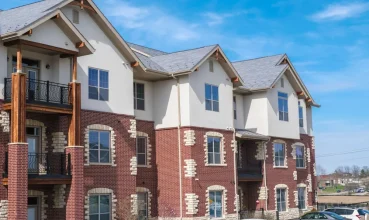
Apartment rents are falling across much of the country for the first time in years. After a long stretch of rising prices and limited supply, renters now have more choices and leverage than they’ve seen since before the pandemic. Landlords, in turn, are competing harder to keep tenants in place.
But this cooling trend may not last. Two bills currently moving through Congress could dramatically alter both the ownership and development of rental housing. One proposal would require large landlords to sell off hundreds of properties over the next seven years. The other would expand incentives for building affordable housing. The outcome of these bills could reshape the rental market in ways not seen since the fallout from the 2008 financial crisis.
Why Rents Are Falling
After years of tight supply and surging demand, the balance of power in the rental market has shifted. More than 500,000 new apartments are expected to be delivered nationwide in 2024 and 2025, flooding many markets with fresh supply. As a result, rent growth has slowed or reversed in several regions, and property managers are offering incentives to attract and keep tenants.
Doug Ressler, Director of Business Intelligence at Yardi Matrix, a real estate data and analytics firm, describes the current environment as “more of a consumer market for the renter.” Renters have more options and can negotiate better terms, a sharp contrast to the bidding wars and frequent rent hikes of just two years ago.
Today, keeping an existing tenant is often less costly for landlords than turning over a unit. Many property owners are now more willing to renew leases at modest increases or even offer perks such as a free month’s rent or upgraded appliances to secure renewals.
The Policy Proposals
While renters are enjoying more choices, two federal bills could bring major changes to rental housing in the coming year.
The first bill, now under debate in the Senate, targets large-scale investors — specifically those who own more than 300 rental properties. If passed, the measure would require these investors to sell most of their holdings over seven years. The goal is to reduce corporate ownership of single-family rentals and shift more homes back to individual buyers.
If this provision survives the legislative process, major players such as real estate investment trusts and institutional investors could be forced to offload thousands of homes. This could temporarily increase the number of properties available for sale. Still, it would likely also reduce the pace of new rental construction, since institutional owners are among the largest backers of new development.
The second bill focuses on expanding affordable housing incentives. Since the 2008 financial crisis, new single-family construction has lagged behind population growth, contributing to persistent housing shortages. This proposal aims to close the supply gap by offering new tax breaks and subsidies for affordable housing development.
Implications for Renters
If large investors are required to divest their holdings, the immediate effect could be a surge in the number of homes for sale, giving some renters a chance to buy. However, if fewer institutional investors remain in the market, the pace of new rental construction could slow, eventually tightening the supply and reversing recent rent declines.
Expanded affordable housing incentives could help balance this by encouraging more development targeted at lower- and middle-income renters. But these projects take time to complete, and high interest rates continue to make financing expensive. Many developers are holding off on new projects until there is more certainty about the Federal Reserve’s approach to interest rates.
Ressler notes that “developers have pulled back because money has gotten much more expensive.” The future pace of construction will depend heavily on whether borrowing costs come down.
What Small Landlords and Investors Need to Know
For smaller landlords and individual investors, the next year will bring both risks and opportunities. If the Senate bill passes with the divestment requirement, large numbers of properties could come onto the market, potentially at discounted prices. This may create buying opportunities for smaller investors and first-time buyers.
However, the same bill could signal a broader policy shift toward stricter oversight and regulation of rental housing. Increased regulation or reduced institutional investment could make rental ownership less attractive for all types of landlords.
The affordable housing bill, on the other hand, may offer new tax incentives or financing options for investors willing to build or convert properties for low- and moderate-income tenants. Those who adapt to these changes may find new niches in the market.
Looking Ahead
The current softness in rents is the result of a rare combination of factors: a surge in new apartment supply, cautious developer activity, and policy uncertainty at the federal level. Renters are in a stronger position than they have been in years, but the landscape could shift quickly if either of the bills in Congress becomes law.
If large landlords are forced to sell, ownership patterns in the rental market could change overnight. If affordable housing incentives take effect, the pace and focus of new development may shift toward lower-cost units, but only if financing conditions improve. In both cases, the effects will ripple across the market, affecting not just renters and landlords but also homebuyers and developers.
The Bottom Line
For now, renters have the upper hand, with more available units and landlords eager to negotiate. But the next several months could bring sweeping changes, as Congress debates who should own rental housing and how much of it should be built. Whether you’re a renter, a landlord, or an investor, staying informed about these policy debates will be essential as the market responds to new realities.
About the Expert: Doug Ressler is Director of Business Intelligence at Yardi Matrix, a division of Yardi Systems that tracks rental housing data, occupancy trends, and policy developments across the U.S. multifamily market.
This article is intended for informational purposes only and does not constitute legal, financial, or investment advice. The views and opinions expressed herein reflect those of the individuals quoted and do not represent an endorsement of any company, product, or service mentioned. Readers should conduct their own due diligence and consult qualified professionals before making any investment decisions.