
Florida’s coastal real estate market is moving into a new phase as inventory levels rise and buyers become more selective. Nowhere is this more evident than in Vero Beach, a barrier island...

Miami’s Assessment Crisis Creates Unexpected Luxury Market Divide

Written by:
Date:
09 Dec 2025
Share via Facebook

Share via Linkedin

Share via X

Copy to clipboard

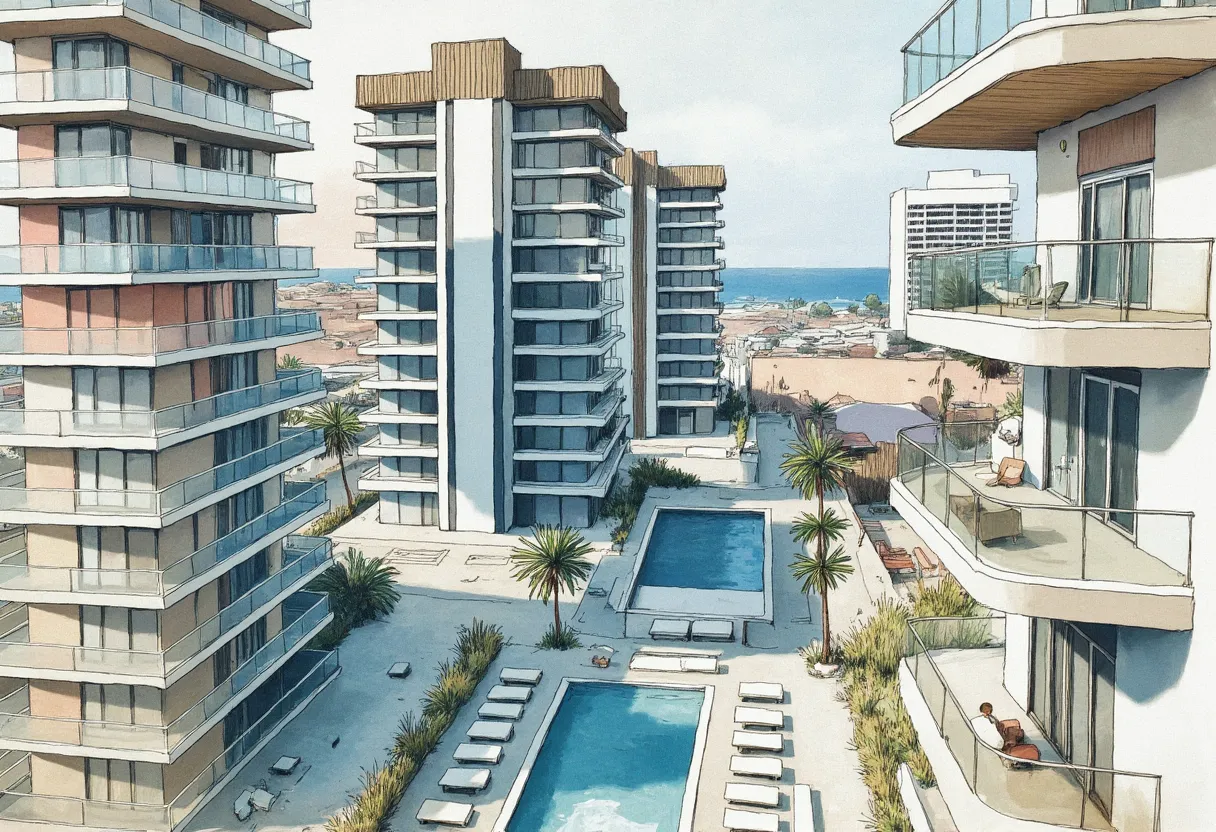
Recent building safety legislation enacted after the Surfside collapse has fundamentally changed the balance of supply and demand in Miami’s luxury condo market, but not in the way most expected. Joelle Oiknine, Senior Global Real Estate Advisor at One Sotheby’s International Realty, reports that mandatory building assessments are now shaping distinct buyer and seller behaviors across different price segments.
Assessment-Driven Supply Surge
Older condo buildings are facing substantial mandatory improvements under the new regulations. “Now we have a lot of new rules that make the buildings fix their pools, fix their stucco, fix their roofs, everything,” Oiknine said. These requirements have triggered assessments that can reach $100,000 to $200,000 or more per unit, forcing some owners to sell immediately.
“Up and down the coast, it’s mainly the $1 to $5 million or under segment that’s affected – it’s the older buildings,” she explained. Inventory has increased in these buildings because many long-term owners, who bought at lower prices decades ago, cannot afford the sudden assessment costs.
Opportunistic Demand Patterns
This influx of listings has drawn in buyers willing to take on the assessment burden in exchange for a discounted purchase price. “A new buyer will come in and gladly buy a lower-priced unit and pay the assessment,” Oiknine observed. These buyers see the combination of a reduced purchase price and the ability to choose renovation timing as an opportunity to enter prime locations.
Assessment responsibility is a key negotiation point. Sometimes the seller pays upfront; other times, the buyer assumes the balance. This has created new negotiation dynamics in the market. Buyers also need to factor in the disruption of ongoing work, which can last a year or more.
Developer Acquisition Pressure
Developers are actively targeting these assessment-laden buildings for bulk purchases. “A lot of developers have come in to try and buy those buildings. They offer double what a unit is worth, then sell for five or six times that after redevelopment,” Oiknine said.
Despite these offers, most resident communities resist selling. “If the buildings can afford to stay, they don’t want to sell because they know there’s no replacement. They’re going off the beach if they sell.” This resistance keeps inventory on the market and perpetuates ongoing assessment obligations for remaining owners.
Lender Scrutiny Intensifies
Financing has become more complicated as lenders have increased scrutiny of building conditions and assessment status. Natalie, a member of Oiknine’s team, explained, “Lenders are very concerned about assessments and the state of the building. Every time we meet a seller, we ask: What’s the state of the building? Is there an assessment?”
Approval status is now a critical listing factor. “You need to know ahead of time if the building is approved for loans,” Oiknine added. If a building’s assessment issues are unresolved, financing may not be available, limiting sales to cash buyers.
Price Segment Protection
The highest end of the market has largely avoided these problems. “In the higher end – $5, $10, $20 million – they’re not getting mortgages. They’re paying cash,” Oiknine said. “So if there’s an assessment, they’re not worried.”
Newer luxury buildings, which command higher prices, rarely face major assessments. “In the newer buildings, you don’t have the assessments. You might have a small one, but you’re not going to redo the entire building the way you do in some of these older ones,” she explained.
Market Adaptation Strategies
Buyers are increasingly focused on avoiding assessment risk. “We get calls looking for a condo, and they’re very specific – it can’t be more than 20 years old. They don’t want to deal with assessments,” Natalie said.
This demand for newer inventory and pre-construction reflects a shift away from older buildings with looming repair costs and toward properties with modern amenities and fewer financial unknowns.
Looking Ahead
The supply-demand imbalance caused by mandatory assessments is likely to persist as older buildings face ongoing repairs and buyers increasingly favor newer properties. These trends are creating lasting changes in Miami’s luxury condo market, dividing it along lines of building age, assessment exposure, and price point.
Similar Articles
Explore similar articles from Our Team of Experts.