
The prestige gap between the Hamptons and New Jersey’s beach towns is narrowing as convenience and pricing reshape luxury buyer preferences in the Northeast. Joseph DeNaro, realtor at Real...

Memphis Shows Unusual Mix of High-End and Entry-Level Homes Side by Side

Written by:
Date:
02 Dec 2025
Share via Facebook

Share via Linkedin

Share via X

Copy to clipboard

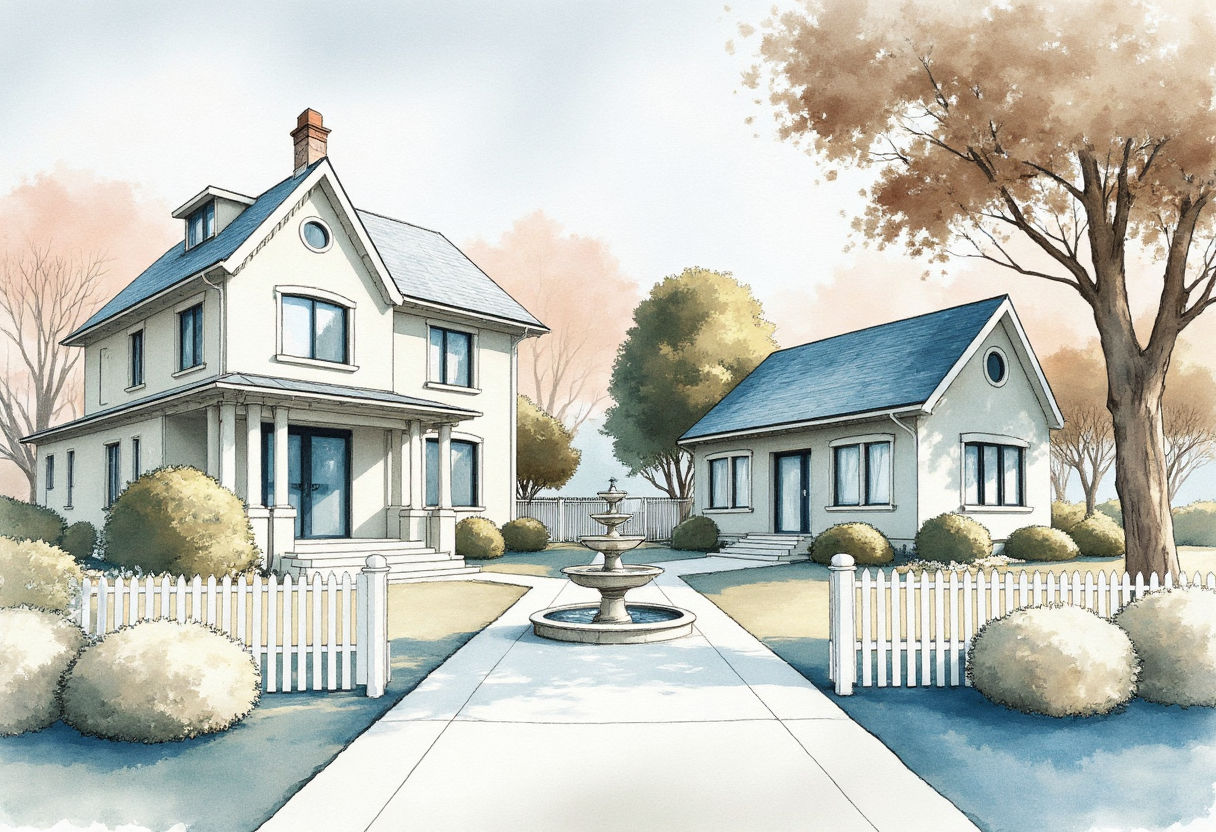
Memphis challenges the conventional wisdom about secondary real estate markets by offering genuine luxury properties alongside accessible starter homes within the same neighborhoods, according to one local real estate professional who says this diversity creates unique market dynamics.
Ricki Fitzpatrick, a realtor with Keller Williams Realty, argues that Memphis represents a “hidden luxury market” that most people don’t recognize due to geographic misconceptions and limited visibility of high-end properties.
The Hidden Luxury Factor
Fitzpatrick says Memphis has a substantial but often overlooked luxury market. The city’s heavy tree cover can make high-end neighborhoods easy to miss from major roads, but turning off the main routes reveals large, upscale homes tucked behind the foliage.
This geographic camouflage, according to Fitzpatrick, means that luxury properties exist throughout the city but aren’t immediately visible to casual observers or those unfamiliar with specific neighborhoods.
Fitzpatrick explains that this creates a market in which luxury and entry-level homes coexist closely, with million-dollar properties on one end of a street and affordable starter homes just a few blocks away.
Economic Integration, Not Segregation
Unlike many cities where luxury and starter homes are segregated, Fitzpatrick says Memphis features a level of economic integration, with residents of different income levels living side by side and sharing the same communities.
This integration, according to Fitzpatrick, creates a different type of market dynamic. “Maybe your home’s a thousand more square feet than mine,” she says, describing the relationship between luxury and starter properties.
For buyers, this setup provides options across price points without compromising neighborhood quality or a sense of community. Fitzpatrick notes that Memphis feels welcoming and homey to both high-end and first-time buyers alike.
Corporate Foundation Driving Demand
Fitzpatrick says Memphis’s range of housing options mirrors the city’s varied economic base. She notes that many neighborhoods have residents with sufficient income to purchase homes, supported by major employers that drive demand across multiple price levels.
Major employers in Memphis, including Pepsi, FedEx, UPS, International Paper, and the incoming Ford facility, help drive demand across the housing market. This corporate presence supports buyers at all levels, from entry-level employees to senior executives, according to her.
The city also has “one of the biggest districts in the state” for teachers, adding another demographic layer to the buyer pool.
Builder Response to Segmented Demand
Builders are responding to this multi-segment demand with varied approaches, according to Fitzpatrick. New construction activity focuses on “the outskirts of Memphis” in areas like Arlington, Tennessee, Collierville, and Bartlett.
Within the city limits, many existing homes are undergoing renovations, increasing competition between older properties and new construction. This dynamic creates a lively market where updated homes vie directly with newly built options for buyers’ attention.
In response, some builders are providing substantial incentives to attract purchasers across different price points. In the Memphis suburb of Atoka, for example, new homes are being offered at rates below 5%, a rarity in the current market, making them particularly appealing to buyers.
The Townhouse Bridge
Fitzpatrick also points to a rise in newly built townhouses, which function as a middle ground between single-family homes and apartment living. Priced from roughly $220,000 to over $300,000 in more affluent areas, these units appeal to renters looking for additional space and a more residential feel.
This shift reflects broader buyer sentiment favoring alternatives to large, corporate-owned apartment complexes. Many prospective buyers, she notes, would rather put $2,000 a month toward a single-family home than continue renting an apartment, a preference that continues to fuel demand for these transitional housing options.
Market Resilience Through Diversity
Fitzpatrick says this mix of economic backgrounds and housing types gives Memphis a level of resilience that markets focused solely on luxury or entry-level properties often lack. She describes the city as a standout choice for both investors seeking to expand their portfolios and families looking for a community that accommodates a wide range of needs.
Whether other secondary markets can replicate Memphis’s model of integrated luxury and starter home availability may depend on similar corporate employment bases and geographic factors that allow for this type of economic diversity within neighborhoods.
Similar Articles
Explore similar articles from Our Team of Experts.