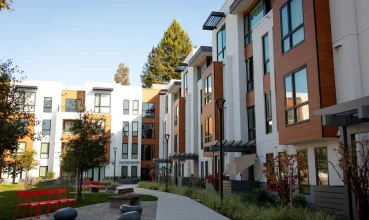
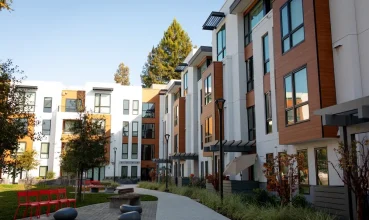
Ongoing confusion over short-term rental rights has triggered a steep drop in values for Maui, Hawaii’s apartment-zoned vacation condos, leaving buyers and sellers unable to gauge risk or set prices. Legal battles, shifting county policy, and unresolved exemption proposals have frozen market activity and forced a sharp correction in a sector once seen as a reliable investment.
Interest rates or broader economic shifts do not drive the collapse in Maui’s vacation condo market; rather, it is regulatory risk. According to Ken Smith, Team Lead at The Smith Team at Coldwell Banker Island Properties, vacation condo prices have fallen by an average of 30% over the past two and a half years. Some properties have lost as much as half their value. The main cause is Bill Nine, a county ordinance that phases out short-term rental rights for condos in apartment zones in West Maui by 2030 and in South Maui by 2031.
“This market has taken a dramatic turn downward on the vacation condos, some as much as 50%. I would say on average, around 30% drop in the last two to two and a half years,” Smith says.
This downturn contrasts with Maui’s single-family home market, which has seen only a 10% year-over-year price decrease. At the same time, condo inventory has risen from 130 active listings in 2022 to 940 today, a sevenfold increase, as investors rush to sell and buyers hesitate amid the uncertainty.
How Decades-Old Rules Created Crisis
The current crisis traces back to local government decisions made decades ago. In 2002, a complaint about short-term rentals in an apartment-zoned condo led to a legal review by the county’s Corporation Counsel, Richard Minatoya. Minatoya issued an opinion that about 7,000 condos could continue short-term rentals if they had done so continuously before 1991. This group, later known as the Minatoya List, was codified into law by the county council in 2014.
“That was an opinion, not the law. In 2016, the council codified it and said they would make it legal for these condos to offer short-term rentals. But the State Supreme Court ruled that counties have the right to change zoning,” Smith says.
The Hawaii State Supreme Court’s decision gave counties broad authority to alter zoning, paving the way for Bill Nine. The ordinance was passed under pressure to create more long-term housing after the 2023 Lahaina fires displaced over 2,000 residents. Now, thousands of condos that operated legally as short-term rentals face a firm deadline to convert to long-term use or cease rental operations.
Investors are left with an asset whose legal status and future income are uncertain beyond the next four to five years. This uncertainty makes it nearly impossible to project returns or justify prior valuations.
Lawsuits and Exemptions Cloud Outlook
The regulatory outlook remains unsettled. At least two lawsuits have been filed to challenge Bill Nine, and the county council is considering proposals to exempt some properties through new H3 and H4 zoning designations, Smith notes. However, any exemption would require a supermajority vote by the council to override the Planning Commission, which has stated that it intends to uphold the original phase-out.
“Even as agents, we don’t know what the outcome is going to be. There are at least two lawsuits that I know of, and probably more. There’s been a proposal to exempt many of the condos from Bill Nine, which would ban short-term rentals. It’s still unresolved,” Smith says.
This lack of clarity is driving further declines. Buyers are unwilling to pay pre-Bill Nine prices for properties that may lose their primary source of income within a few years. Sellers must choose between holding out for higher offers or accepting steep discounts. As a result, pricing has become disconnected from traditional valuation metrics and is now driven largely by speculation on future county actions.
The Planning Commission’s resistance to exemptions indicates the county intends to enforce the phase-out, Smith notes. However, pending litigation and political pressure from property owners could still affect the outcome.
Condos and Homes Diverge Sharply
The uncertainty has split Maui’s real estate market. While vacation condos face rising inventory and falling prices, single-family homes are more stable. Home inventory has increased from 220 active listings in 2022 to about 450 today, and prices have declined only 10% year over year.
Single-family homes are not affected by the same short-term rental restrictions and attract a different type of buyer, such as relocating families and remote workers seeking primary residences, Smith explains. These properties are less exposed to the regulatory risks that have upended the vacation condo market.
Residential condos, typically bought by local buyers and more sensitive to interest rates, have also fallen in value, dropping 20% to 30%, according to Smith. The most severe declines remain concentrated in the vacation condo segment, where regulatory risk and a glut of inventory have shifted leverage to buyers.
Steering Clients Toward Safer Properties
In response, Smith’s team is steering clients toward properties with clearer legal standing and away from speculative bets on lawsuits or exemptions. The team is focusing more on single-family home listings, which have proven more resilient and offer more predictable valuations.
The Smith Team operates under Coldwell Banker Island Properties, the largest real estate company in Hawaii by transaction volume and agent count. On Maui, Hawaii, Coldwell Banker has over 300 agents and five offices. Smith says the firm’s reach and experience allow it to provide clients with detailed market intelligence and guidance through the current regulatory environment.
What Resolves the Stalemate
As the market absorbs these changes, Smith expects vacation condo prices to stabilize, with sales volume potentially improving even as prices remain low. The long-term trajectory will depend on the outcome of pending lawsuits and whether the county council ultimately grants exemptions for properties on the Minatoya List.
Until then, Maui’s vacation condo market will likely remain a cautionary example of how regulatory risk can reshape once-booming asset classes. Buyers and sellers must navigate a landscape where legal outcomes, not just market forces, determine value. That reality is unlikely to shift until the county’s final decisions are made.