
While much of the national real estate conversation focuses on high interest rates and affordability concerns, Milford, Connecticut, is charting its own course. The coastal city’s housing ...

Location Overtakes Size as the Top Priority for Scottsdale, Arizona Luxury Buyers

Written by:
Date:
11 Mar 2026
Share via Facebook

Share via Linkedin

Share via X

Copy to clipboard

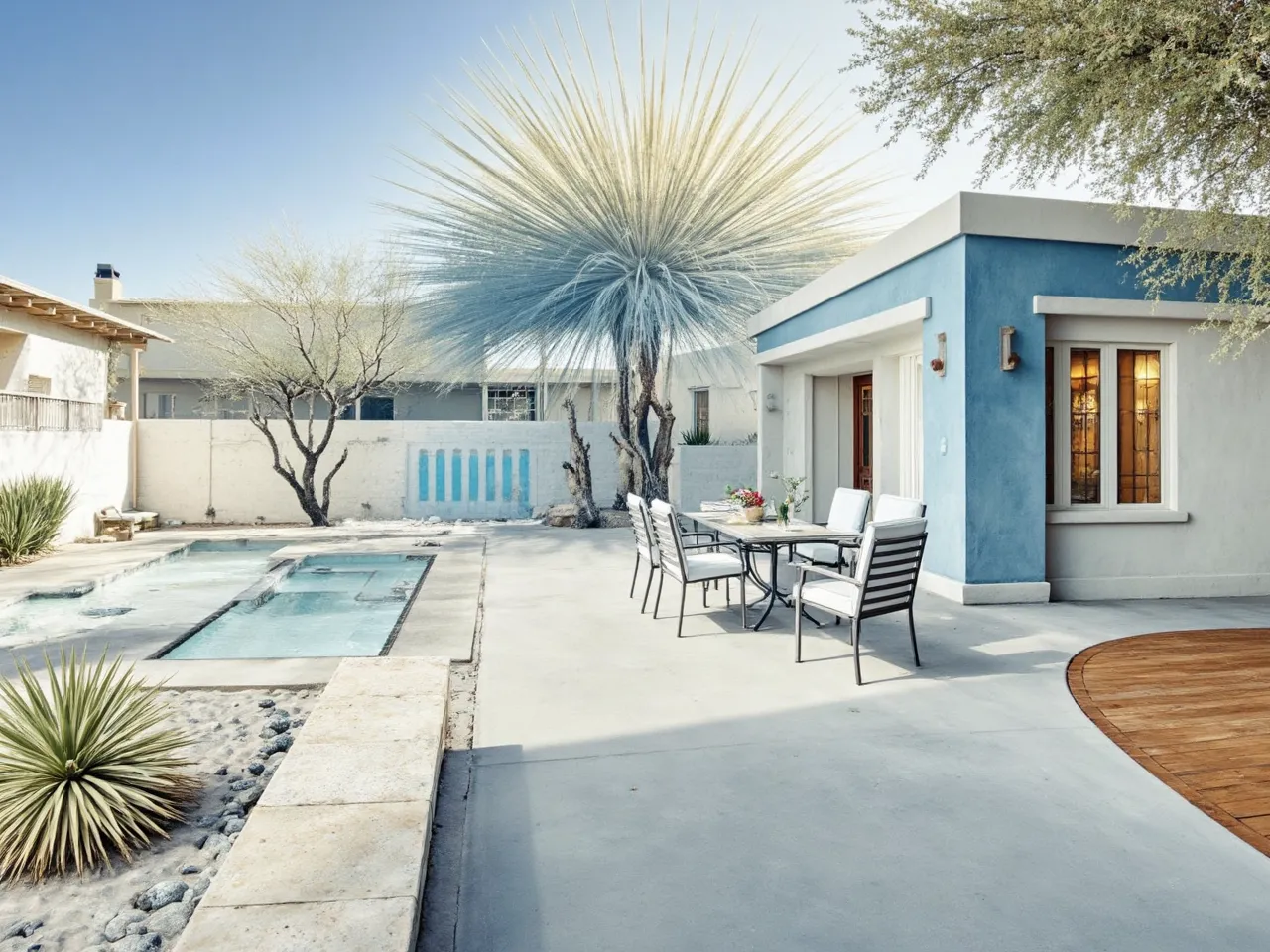
Scottsdale’s luxury real estate market is undergoing a decisive shift in what buyers value most. Location now eclipses traditional metrics like square footage and bedroom count. Kevin Weil, Associate at RE/MAX Excalibur, reports that affluent buyers are paying premiums for homes near urban centers such as Old Town and Kierland. At the same time, properties on the outskirts linger on the market regardless of size or amenities.
Weil observes that buyers are prioritizing proximity to the city’s core over the larger lots and newer builds that once fueled Scottsdale’s suburban expansion. Even older homes in central locations are commanding stronger demand than spacious, newer properties farther out. “People are choosing to have a better location, more so maybe than they had in the past,” Weil says.
Lifestyle Now Drives Luxury Buying Decisions
This shift signals a new definition of value for high-end buyers. Rather than counting bathrooms or seeking maximum square footage, buyers are focusing on lifestyle advantages tied to location: walkability to restaurants and shopping, access to cultural amenities, and the convenience of urban living. “Some people will pay a premium for lifestyle more so than they will for bedrooms and bathrooms,” Weil says.
As a result, Scottsdale has developed a two-tiered market. Homes near Old Town and Kierland are selling quickly, while those in more remote areas are taking much longer to move. The split is not just about geography. It marks a clear change in what affluent buyers consider desirable. Weil notes that the listings struggling most share two traits: they are far from urban centers and lack recent updates. “Properties that are further out or not updated are what are sitting longer,” he says.
Why Investors Are Redirecting Capital Toward Scottsdale’s Urban Core
For investors, this shift means focusing on properties near Scottsdale’s urban core. Weil’s advice is direct: “Close to Old Town or Kierland and don’t invest more so in the farther outlying parts of Scottsdale.” He notes that this trend is not unique to Scottsdale. In luxury markets across the country, urban proximity is increasingly valued over extra space in the suburbs.
The implications are significant. Developers may need to rethink new projects in peripheral areas, while owners of outlying properties face longer marketing periods and greater price sensitivity. Weil’s own investments reflect this thinking. He owns condos in Old Town, confident that demand for central locations will continue to support property values even as other market segments soften. That position reflects his belief that the premium for lifestyle and location represents a lasting change in buyer preferences, not a short-term trend.
How Agents Are Marketing the Lifestyle, Not Just the Listing
Weil’s firm has shifted its marketing approach to highlight the experience of living in a desirable location rather than focusing solely on property features. Listings now emphasize what it feels like to live in a particular neighborhood, whether that is the walkability and nightlife of Old Town, the views from a golf course home, or the quiet of a lakefront setting.
“If the house is in a gated community, the lifestyle might be the feeling of security,” Weil says. “If it’s on a golf course or a lake, it’s the lifestyle of sitting in your backyard looking over a golf course or a lake.” This strategy reflects the reality that affluent buyers are making decisions based on how a home will shape their daily lives, not just on cost per square foot. By positioning properties as lifestyle choices, Weil’s team aims to attract buyers willing to pay more for location and experience.
What the Location Shift Means for Sellers and Investors
The current market rewards those who recognize that proximity, walkability, and lifestyle are now the primary drivers of value in Scottsdale’s luxury segment. Traditional metrics like bedroom count or lot size are less relevant than they were even a few years ago.
For sellers and investors, success increasingly depends on understanding what buyers want today: a home that supports how they want to live, in the place they want to be. Early evidence in Scottsdale suggests that location has reemerged as the most important factor in real estate value. Buyers are no longer shopping only for houses. They are shopping for a way of life, and the right address has become the defining amenity.
Similar Articles
Explore similar articles from Our Team of Experts.

Residential Real Estate, Commercial Real Estate, Property Technology, Market Analysis & Policy, Perspectives, Featured Articles
Lancaster, Pennsylvania’s residential market is booming with 10.7% year-over-year home price appreciation and multiple high-rise apartment projects coming online. But according to one ...