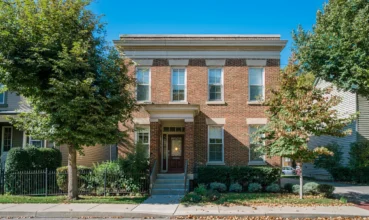
Las Vegas carries a powerful association with hospitality and short-term stays. That reputation draws a steady stream of real estate investors who assume the city’s culture translates into a permissive environment for Airbnb-style rentals. According to Ilona Fedorko, a realtor with Scofield Group LLC, that assumption is wrong — and acting on it without due diligence can result in purchasing a property that cannot legally operate as a short-term rental.
The restrictions are not minor or easily worked around. Properties must fall within a designated district, maintain a minimum distance from hotels, and stay a set distance from other permitted short-term rentals. Fedorko estimates the buffer at approximately 600 feet from other short-term rentals and 1,000 feet from hotels. Most of the locations that meet all these criteria already have permits. “You will probably find the house that is good for short-term rental, it has to be a very specific property within a very specific location,” she says.
Rules and Restrictions Create a Two-Layer Problem
Even investors who identify a property in the right geographic zone still face a second layer of restrictions imposed by Clark County itself. According to Fedorko, Clark County generally requires that rental periods be 90 days or longer, effectively prohibiting the nightly and weekend rentals that define the short-term rental business model for most investors.
For properties outside the designated short-term rental district, that 90-day minimum makes the investment case for a traditional Airbnb operation essentially unworkable. And for properties that do fall within the right zone, the HOA layer adds another complication. Fedorko estimates that roughly 90% of Las Vegas homes are subject to HOA agreements, and most of those agreements restrict or prohibit short-term rentals. HOAs may allow 30-day or 60-day rentals, she says, but one- to two-night stays are nearly always blocked.
The combination of county minimums and HOA restrictions means that even a property in the right district may still be legally blocked from operating as a short-term rental. Investors who don’t review both layers of regulation before closing are taking on significant risk.
Permitted Properties
The practical consequence of this regulatory environment is that properties with existing short-term rental permits have become a distinct and scarce asset class. They carry a value that goes beyond their physical characteristics; the permit itself is the asset, and it cannot easily be replicated.
Fedorko is direct about the implications: if a listing already has a short-term rental permit, investors focused on that strategy should act quickly. “If you’re looking specifically for short-term rental, you may not be able to find another one here,” she says.
That framing positions short-term rental properties less as standard residential investments and more as licensed commercial assets. The permit confers a legal right that new applicants may not be able to obtain, and the application process itself offers no guarantee of approval. Fedorko notes that applications take time and may ultimately be denied.
For investors who have been underwriting Las Vegas short-term rental deals based on the assumption that any property can be converted, this regulatory reality requires a significant recalibration of expected returns.
Regulatory Landscape
At Scofield Group LLC, Fedorko uses a county-maintained map to help investor clients identify which properties fall within compliant zones before they begin touring or making offers. The map is available to any agent or buyer who knows how to ask for it, but many investors arrive in the market without knowing it exists. “There is a map that shows which spots are still available,” she says. “Just ask any realtor.”
Her broader advice to investors is to treat the permit question as a threshold issue, not a detail to confirm after going under contract. If a property doesn’t already have a permit and isn’t clearly within the eligible zone, the short-term rental business plan should be set aside before the investment thesis is built around it.
As Las Vegas continues to attract out-of-state capital and the short-term rental market nationally draws more investor interest, the gap between the city’s reputation and its regulatory reality is likely to catch more buyers off guard. The permit map is finite. The buffer requirements eliminate most residential streets. And the HOA layer disqualifies many of the remaining properties. Agents and investors who understand this landscape before entering the market will be positioned to identify the rare compliant opportunities, and avoid the far more common ones that aren’t.
About the Expert: Ilona Fedorko is a Realtor with Scofield Group LLC, specializing in investment properties and short-term rental regulations in the Las Vegas market.
This article is intended for informational purposes only and does not constitute legal, financial, or investment advice. The views and opinions expressed herein reflect those of the individuals quoted and do not represent an endorsement of any company, product, or service mentioned. Readers should conduct their own due diligence and consult qualified professionals before making any investment decisions.