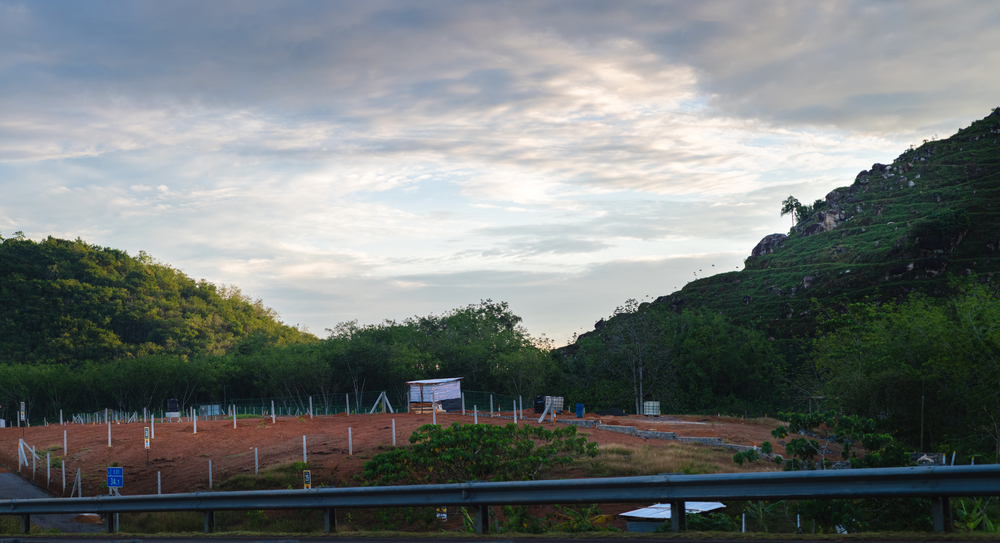
In South Carolina’s land market, the rise of land flippers is creating new challenges for both buyers and sellers. Unlike the traditional image of investors holding property for years before selling at a premium, today’s flippers are buying and reselling land within months — often without making any improvements.
This rapid turnover is pushing up prices in some cases. Still, it has also led to a counterintuitive effect: buyers are increasingly skeptical of reasonably priced land, assuming that if a listing is “too cheap,” something must be wrong with it.
Nicholas Ardis, a land professional with National Land Realty, has seen this trend play out across the state. “A lot of people now are investing in land — I say investing very loosely,” Ardis says. “They’re really just flipping. They’re simply taking advantage of somebody on a purchase and then reselling very quickly at market rate.”
How the Flipping Model Works
The typical approach starts with a flipper targeting landowners who are selling without an agent, often those who are unfamiliar with the true market value of their property. The flipper purchases the land well below market price and quickly relists it at a higher, but still competitive, price.
The flipper turns a fast profit, and the new buyer often still gets a fair deal. However, this model has created confusion among buyers. When a property is listed significantly below other active listings, many buyers assume the low price signals a problem and skip over it, even though it may be accurately priced.
Ardis explains, “I’ve seen some buyers that won’t have an interest in things that are priced where they need to be because they think it’s too cheap. When in actuality, that’s just the one that’s priced where it needs to be and will actually sell.”
At the same time, overpriced listings linger on the market, reinforcing the illusion that higher prices are standard. Buyers see these inflated prices and assume that’s the going rate — until they realize those properties aren’t selling.
Why Flippers Are Profitable Now
The surge in land flipping is directly tied to South Carolina’s hot land market, which took off during the pandemic. Annual price growth, which hovered around 3% before 2020, jumped to 25% or more in some parts of the state. This rapid appreciation drew in investors seeking quick profits, putting South Carolina on par with fast-growing states nationwide.
Several factors make South Carolina especially attractive for land buyers and flippers. The state’s central location means you can reach the coast or the mountains within a few hours from Columbia, and three major interstates crisscross the region. Coastal ports drive industrial growth, creating jobs and a steady need for housing. As a result, demand for land is strongest on the outskirts of expanding cities like Columbia, Charleston, and Greenville.
Flippers have used speed and market knowledge to their advantage. They identify undervalued properties, often from owners who lack information or representation, and resell them at a profit. In many cases, their main contribution is connecting sellers who didn’t know the value of their land with buyers who do, not improving the property itself.
What Buyers Need to Know
For buyers in South Carolina, the main risk is overlooking well-priced land legitimately. A lower price does not always mean a problem; it may signal that the seller priced the property realistically while others are chasing inflated numbers.
Buyers should rely on recent sales data — not just active listings — to understand real values. Consulting a land broker with local expertise is critical. If a property fits your needs and seems “too cheap,” investigate further before dismissing it. It could be the only fairly priced option in the area.
Buyers should also be prepared to act quickly on land near fast-growing cities. Transitional parcels – those on the edge of current development – are in the highest demand. When these properties are priced correctly and show future potential, they rarely stay on the market for long.
Advice for Sellers
For sellers, the biggest risk is underpricing or relying on inflated expectations. Flippers specifically target owners who sell without an agent and may not understand the true market value of their land. Working with a land broker can help you price accurately, market effectively, and avoid leaving money on the table.
If your property has been listed for months without serious offers, price is almost always the issue. Ardis notes, “Hopes and dreams are kind of tough to spend at the bank. You’ve got to have a sale to get that into a true value.”
Rather than basing your price on what neighbors are asking, focus on recent closed sales. Overpricing a property may feel safe, but it typically leads to wasted time and missed opportunities.
What Happens Next
Land flipping is likely to remain a fixture in South Carolina’s market as long as demand and price volatility persist. While these quick sales can signal a healthy, active market, they also create confusion. Buyers may bypass good deals out of suspicion, and sellers may chase prices that don’t reflect actual demand.
The key for both buyers and sellers is to separate real value from wishful thinking. Accurate information, realistic expectations, and the guidance of a knowledgeable land broker are more important than ever for making sound decisions in today’s market.
About the Expert: Nicholas Ardis is a land professional with National Land Realty in South Carolina, specializing in rural acreage, timber tracts, and transitional land near growing population centers.
This article is based on information provided by the expert source cited above. It is intended for general informational purposes only and does not constitute legal, financial, or real estate advice. Readers should conduct their own research and consult qualified professionals before making any real estate or financial decisions.