


After a historic run of rapid appreciation, the South Florida real estate market is beginning to cool. Larry Mastropieri, Broker and Owner of The Mastropieri Group, a boutique luxury brokera...

Why Seasonal Population Swings Don’t Directly Drive Resort Market Commercial Real Estate

Written by:
Date:
02 Jan 2026
Share via Facebook

Share via Linkedin

Share via X

Copy to clipboard

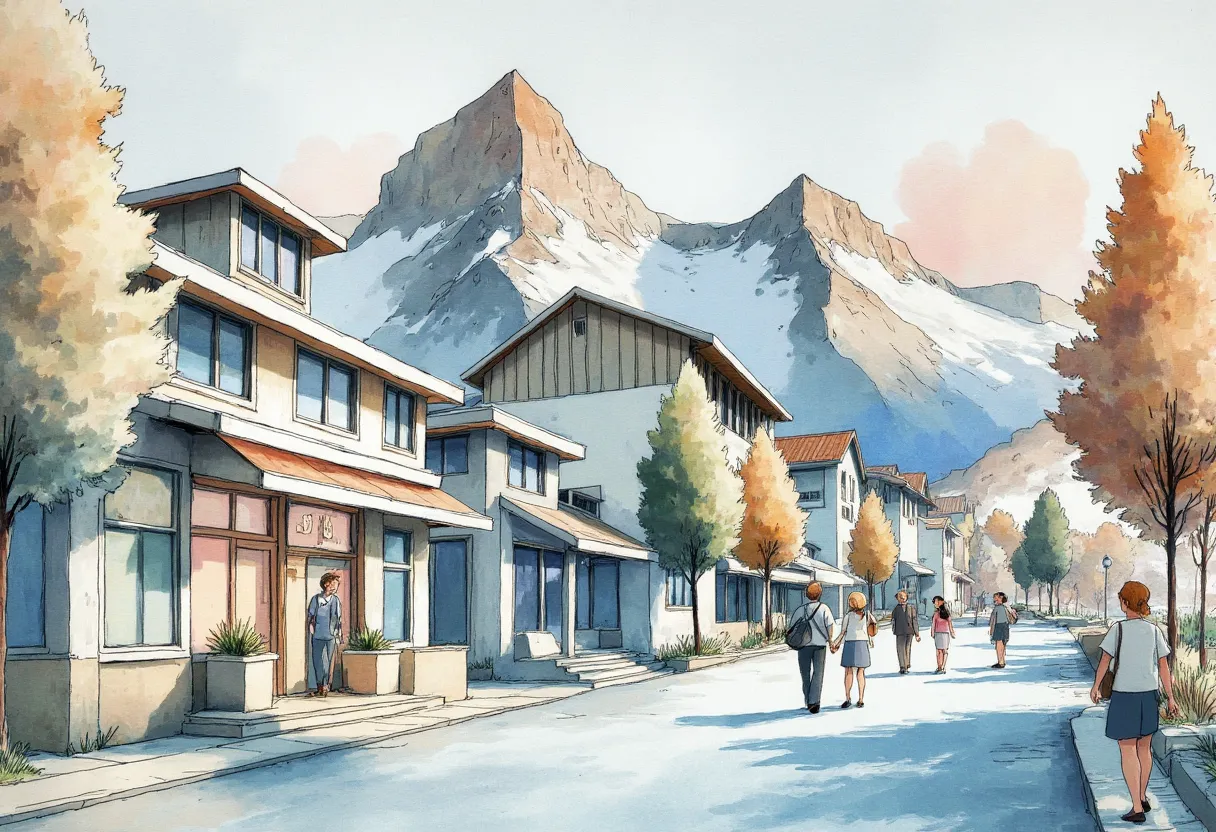
Conventional wisdom about resort markets holds that more seasonal visitors automatically translate to increased commercial real estate activity. Matthew Gelso, Associate Broker at Paul Kenny and Matt Bogue Commercial Real Estate, challenges this view, arguing that the connection between visitor numbers and commercial property demand is far less direct than many investors assume.
“It’s a downstream effect, and that seasonal migration affects commercial real estate because of the need for additional services, and you need space to house those services,” Gelso explains. “The major effect is not simply more people creating more demand for properties, but that more people mean more services are needed, which in turn drives the need for more space.”
Gelso’s observations challenge the notion that population and property demand move in lockstep. Instead, he urges investors to look past surface-level correlations and understand the underlying service dynamics that actually drive commercial real estate demand in resort markets.
How the Service Cascade Shapes Demand
Gelso describes the relationship between seasonal population and commercial real estate as a “service cascade.” When second-home owners and seasonal visitors arrive in Idaho’s Wood River Valley, for example, their presence doesn’t directly increase demand for commercial space. Instead, their arrival creates new or expanded needs for childcare providers, contractors, tradespeople, and other service businesses – all of whom require their own physical locations.
“There are always childcare operators looking around. There are always contractors and trades looking for industrial, smaller industrial properties,” Gelso says. “In a market like this, smaller means around 1,000 square feet or less. These aren’t major contractors, but small businesses with six employees building houses, not large corporate entities.”
This indirect demand indicates that commercial real estate in resort markets is less volatile than it appears. Service providers, even those catering to seasonal populations, typically require year-round space. As a result, demand for commercial properties is steadier than a simple population-based analysis would suggest.
Who Owns Matters More Than How Many Visit
Gelso notes that the greater impact of second-home ownership on commercial real estate stems from who is buying those homes. “The primary impact of second homes on commercial real estate would probably be who the buyers and holders of those second homes are, because those are a lot of the big money investors that buy commercial real estate here at low cap rates, who can afford to hold it and get long-term appreciation,” he says.
In other words, the same high-net-worth individuals driving up residential prices are also the ones acquiring commercial properties. Their purchasing decisions aren’t directly tied to their seasonal residency; instead, both investments are enabled by their capital and long-term outlook in markets with limited available space. This disconnect further weakens any direct cause-and-effect relationship between population swings and commercial property demand.
Unpredictable Demand Patterns
The demand for commercial space in resort markets also does not follow simple, predictable cycles. Gelso notes, “It just kind of ebbs and flows. There’s not really a rhyme or reason why one [type of business] over the other.” He emphasizes that no single business category consistently drives demand at any given time.
This unpredictability stems from the different growth patterns and space requirements among service providers. For example, a contractor may need new space after winning a large project, regardless of whether it’s peak tourist season. A childcare provider might expand due to growth in local year-round residents, not a surge in short-term visitors. As a result, the timing and nature of commercial space needs are challenging to forecast from seasonal population data alone.
Implications for Resort Market Analysis
This distinction between direct and downstream effects has significant implications for investors. Traditional metrics such as visitor counts, hotel occupancy rates, or seasonal population estimates may not accurately predict commercial real estate demand in resort markets.
Gelso’s approach suggests investors should focus on the service infrastructure necessary to support the seasonal population – and whether that infrastructure has sufficient space. The key question shifts from “how many people visit?” to “what services do those visitors require, and do those service providers have adequate space?”
Ignoring this distinction may lead investors to misread market signals, overestimating volatility or missing underlying, steady demand from essential service providers.
Workforce Housing as a Limiting Factor
Gelso points to workforce housing shortages as one area where population changes can directly impact commercial real estate, but not in the way many expect. “If you can’t find employees, you can’t have a business, and you’re not going to need commercial real estate,” he says.
This means that when service providers struggle to staff their businesses due to limited affordable housing, the viability of those businesses – and thus their need for space – is threatened. Here, the link between population and property demand is negative: rather than more people creating more demand, a labor shortage can lead to business closures and reduced demand for commercial space.
A More Nuanced Analytical Framework
Gelso’s perspective calls for a different analytical approach to resort market commercial real estate. In urban markets, population growth and commercial real estate demand may move together. In resort markets, investors need to understand the service ecosystem and the specific space needs of service providers, not just visitor trends.
Whether this framework gains broader acceptance will depend on its ability to predict demand more accurately than traditional population-based models. For now, Gelso’s observations highlight the need for investors to look beneath headline numbers and focus on the fundamental drivers of commercial property demand in resort communities. In a market where assumptions about direct cause-and-effect often fall short, understanding the indirect “downstream effect” may be the key to making sound investment decisions.
Similar Articles
Explore similar articles from Our Team of Experts.

Perspectives, Residential Real Estate, Commercial Real Estate, Industry News, Market Analysis & Policy
A dramatic migration pattern is reshaping the New York metropolitan area’s real estate landscape as residents seek more affordable alternatives to Manhattan and Brooklyn, according to ...



Industry Profiles, Real Estate Investment, Commercial Real Estate, Property Technology, Market Analysis & Policy
“It’s just as easy to do something big as it is to do something small. So you might as well pursue something that truly excites you,” says Matthew Aitchison, quoting Blacks...

