The hospitality sector is experiencing a cautious recovery in 2025, with transaction volumes rebounding from pandemic lows while market fundamentals remain challenged by elevated interest rates and operational pressures. Industry professionals are reporting increased deal activity driven by selective distress situations and patient capital finally finding deployment opportunities.
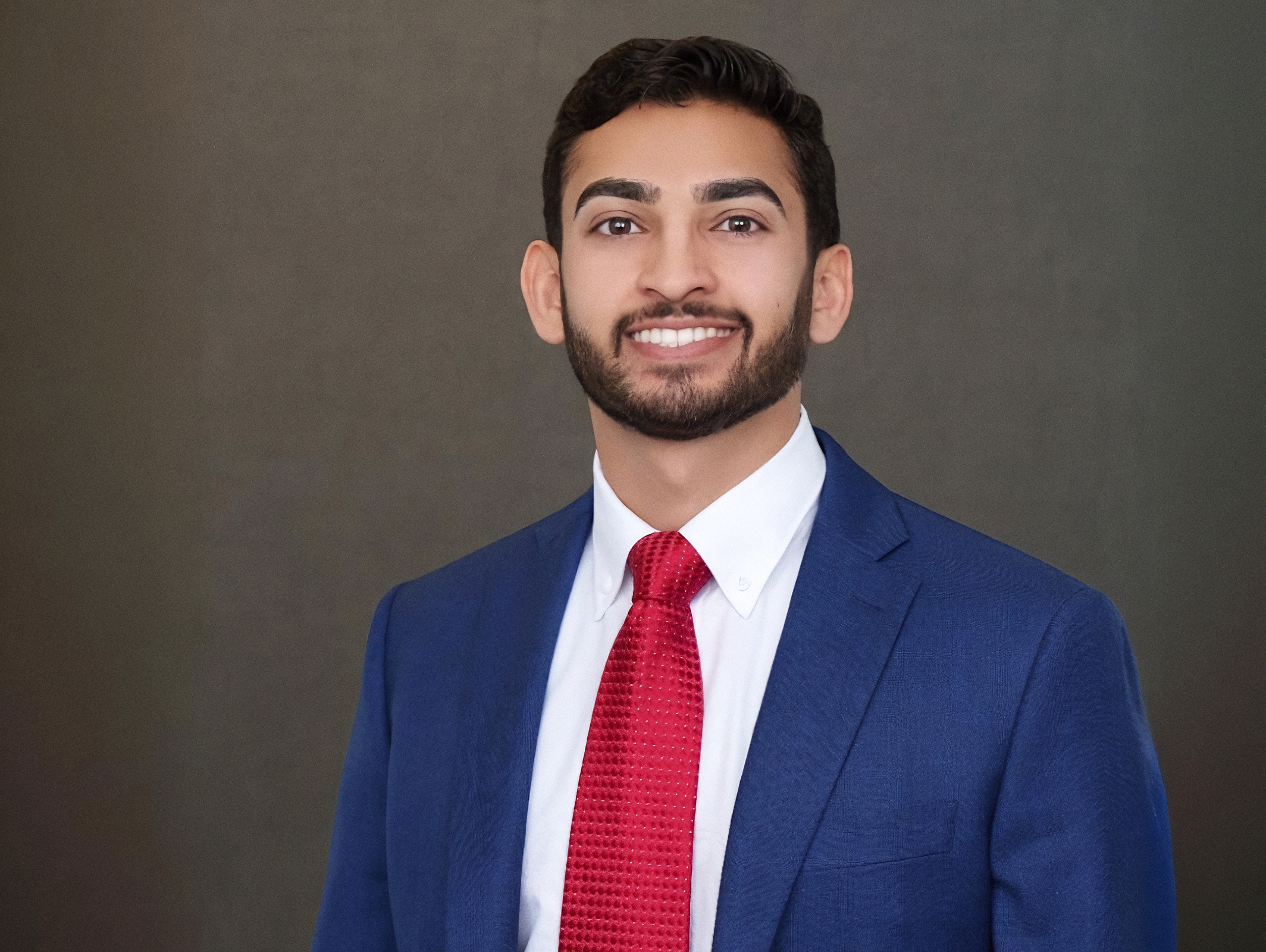
Suraj Dalal, Partner at Kabani Hotel Group, has witnessed this change firsthand through his firm’s transaction volume. After reaching peak activity of $300 million in 2022, the brokerage saw volumes decline to $190 million in 2023 and $120 million in 2024. However, 2025 has shown marked improvement, with the firm already completing $150 million in transactions by August.
“Transactions have picked up this year across the space for everybody,” Dalal explains. “One of the reasons holding back from a full-blown 2022-type year is interest rates. Everyone’s praying for those cuts.”
The Recovery Landscape
The hospitality market’s recovery story differs significantly from other commercial real estate sectors. While multifamily and office properties have faced their own challenges, hotels have contended with unique operational headwinds that extend beyond financing costs.
Revenue pressures have increased across the industry, with international travel restrictions continuing to impact guest volumes. Dalal points to specific examples: “Toronto used to have numerous flights a day, and now they’re only at one. People are more scared to travel, especially international guests.”
At the same time, operational expenses have surged. Labor costs have increased substantially since the pandemic, while deferred maintenance and renovation projects have created additional capital requirements for property owners. These dual pressures have compressed profit margins for many hotel operators, forcing some to consider exit strategies.
“For a lot of hotel owners, profitability isn’t what it used to be,” Dalal notes. “The big renovation costs, in addition to what we’re seeing with operations, have forced a few owners out.”
Distressed Opportunities Emerge
Rather than the widespread distress many predicted, the market is experiencing selective pressure points that create opportunities for well-capitalized buyers. Kabani Hotel Group’s recent sale of the Radisson Red at Miami Airport illustrates this dynamic.
The property, originally developed for nearly $50 million, sold for $22 million due to loan maturity pressures and negative cash flows. The syndicated ownership group faced a choice between refinancing into continued losses or accepting a significant haircut on their investment.
This situation represents the current market reality, owners with sufficient equity can exit cleanly, but often at substantial losses from peak valuations.
Regional Market Variations
Florida’s hospitality market demonstrates the geographic disparities affecting the sector. While the state generally maintains stronger fundamentals than many other markets, performance varies significantly by region. The Florida Panhandle has seen some areas down 40-50% from peak 2022 performance, creating both risks and opportunities for investors with local knowledge.
Operational Headwinds Beyond Interest Rates
Financing costs dominate headlines, but hospitality operators face a complex web of expense pressures. Insurance costs have stabilized somewhat in 2025 after significant increases, though hurricane season remains a wild card for Florida properties. Labor costs remain a challenge, and property tax reassessments upon sale create additional burdens for new buyers, as tax bills reset to current market values.
“The biggest three things we’re seeing are interest rates, insurance, and labor,” Dalal summarizes. “When somebody takes over a property, their property taxes are re-triggering. All these buyers coming into deals where sellers are showing strong returns, it’s very different when a buyer takes over.”
Capital Deployment Patterns
The market is witnessing broad-based buyer interest rather than concentration in any single investor category. Patient capital that has waited on the sidelines is beginning to deploy, with both institutional and private investors seeing renewed activity. Baywood, a significant hospitality owner, exemplifies the institutional approach, becoming more active as opportunities emerge.
“A lot of people are well capitalized,” Dalal observes. “Our private Mom and Pop investors, some people have been waiting for this moment for a while.”
However, newly formed syndications that attempted hotel-to-multifamily conversions during the market peak have struggled with the complexity and costs of such conversions.
Market Outlook and Strategic Considerations
Industry professionals remain cautiously optimistic about transaction velocity, though timing remains uncertain. The persistent expectation of interest rate cuts continues to influence both buyer and seller behavior.
For hotel owners, regular property valuations have become increasingly important for strategic planning. Market conditions can shift rapidly, and understanding current asset values helps inform hold-versus-sell decisions.
“Whether you’re interested in selling or not, it’s a good idea to get a valuation done every once in a while,” Dalal advises. “It helps you decide where you’re at in the market and what you want to do.”
The hospitality sector’s recovery trajectory will likely depend on several factors: the timing and magnitude of interest rate cuts, continued stabilization of operational costs, and the return of international travel to pre-pandemic levels. While challenges persist, the combination of patient capital and selective distress is creating a more active transaction environment than the industry has seen in recent years.
For investors and industry participants, the current environment presents both opportunities and risks. Those with strong operational expertise and patient capital may find attractive entry points, while overleveraged or operationally challenged properties face continued pressure. As the market evolves, the ability to navigate these dynamics will separate successful participants from those caught in the transition.