

New data reveals how technology is reshaping mortgage customer experience while maintaining the importance of personal relationships Mobile technology is revolutionizing mortgage lending sat...

Inspection Panic Is Killing Deals on Century-Old New England Homes

Written by:
Date:
12 Feb 2026
Share via Facebook

Share via Linkedin

Share via X

Copy to clipboard

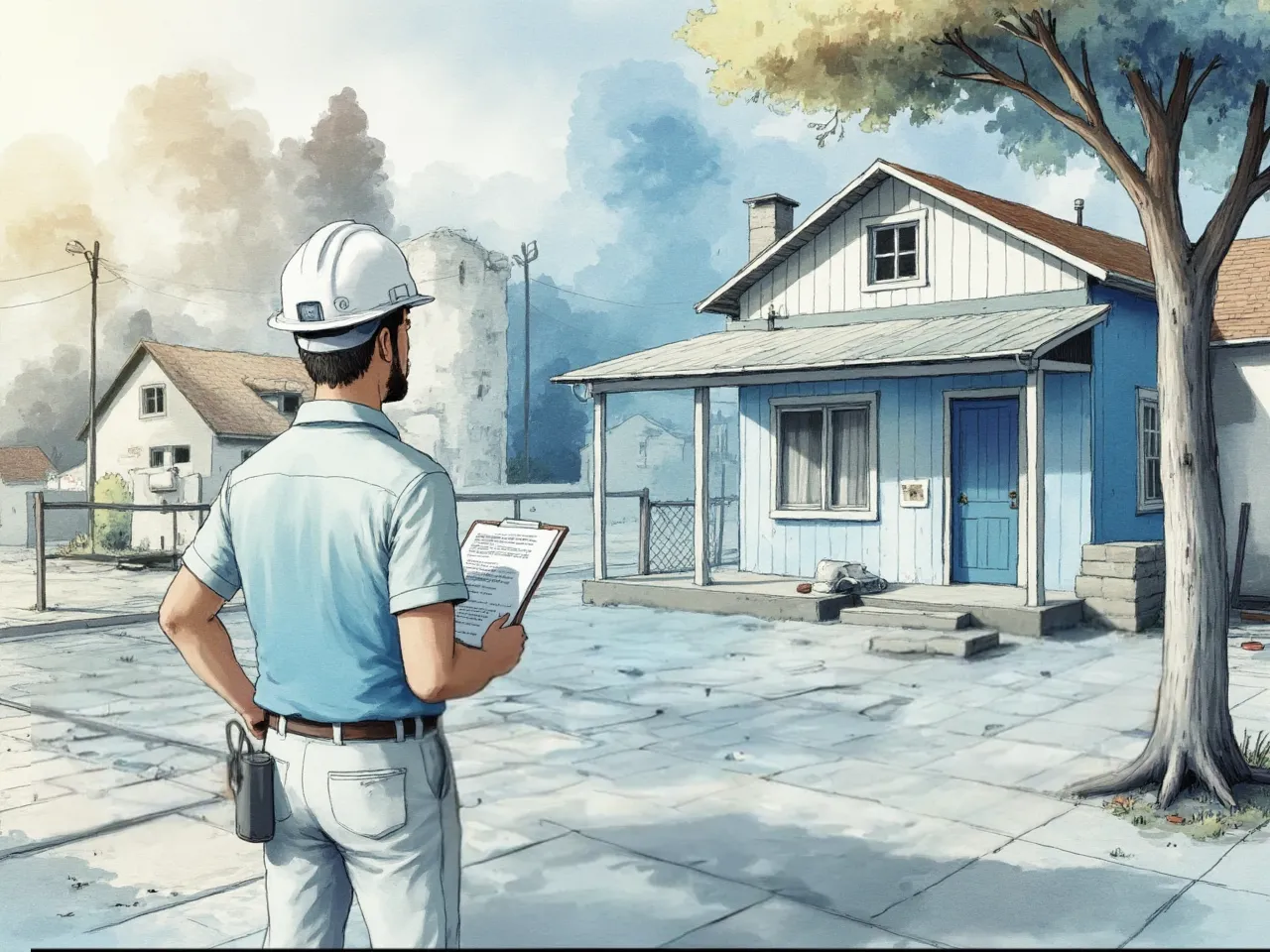
Real estate transactions in Litchfield County, Connecticut, are increasingly falling apart during the inspection phase, not due to serious structural problems but because buyers overreact to minor issues typical in older New England homes. According to LeeAnn Asklar, a realtor with E.J. Murphy Realty, buyers are abandoning deals over findings that experienced homeowners would expect and negotiate, rather than using inspections as a starting point for discussion.
“The biggest deal killer that I’ve dealt with is inspections,” Asklar says. “Every home is going to have something, especially in New England. Our houses here can be ancient.”
The core problem is not the homes themselves but buyers’ lack of understanding of what is typical in century-old properties. Many buyers are unable to distinguish between manageable, age-related issues and those requiring urgent attention, leading to abrupt exits when inspection reports surface routine findings.
A Deal Lost Over Treatable Termites
Asklar describes a recent example of a home that appeared valuable and had a motivated seller. During the inspection, evidence of termites was found, which is common in the region and typically addressed with standard treatment. Notably, there was no structural damage to the property.
“There was one home that fell apart recently that seemed like such a solid deal, and it was just something so minimal, like evidence of a termite,” Asklar explains. In her experience, finding termites in the area is not uncommon, and the issue can usually be resolved without long-term consequences. “There was no damage to the home, but there was evidence that the termites were there.”
Despite reassurances, the buyers immediately withdrew from the deal. “The people just panicked,” Asklar recalls. “They didn’t want to negotiate. They didn’t want to discuss further. It was just, ‘We’re out.’”
The fallout was immediate: the listing stalled, accumulated more days on market, and became less attractive to future buyers, all over an issue that could have been managed with treatment and a possible price adjustment.
Why Inspection Panic Is Growing
This pattern is becoming more pronounced as buyers with limited home maintenance experience enter the market. When inspectors note outdated electrical systems, traces of past water intrusion, or other common characteristics of older New England homes, some buyers choose to walk away rather than explore solutions.
For agents, this creates a new kind of challenge. Sellers see deals collapse over conditions that previous buyers would have expected and addressed through negotiation. Buyers, meanwhile, are making rapid decisions based solely on inspection reports, often without understanding the underlying risks or costs.
Asklar notes, “Inspections for sure are our biggest deal killers.” In a market where inventory remains tight, and buyers theoretically have fewer options, the fact that transactions are collapsing over minor, manageable findings signals a breakdown in communication and education during the inspection phase.
Who Wins in This Market? Informed and Flexible Buyers
Buyers who understand the realities of older homes or trust their agents to provide context have a clear advantage. Asklar observes that clients who are willing to waive certain contingencies or approach inspections with flexibility are more likely to close on desirable properties.
This divide points to a growing gap in buyer sophistication. Those who can distinguish between severe defects and routine maintenance can move forward, negotiate repairs, or adjust price expectations. By contrast, buyers who terminate a deal in response to any negative inspection note are removing themselves from transactions that could have been resolved through basic remediation.
The situation raises the question of whether buyer education should begin earlier in the process. If buyers knew in advance that findings like evidence of termites, aging wiring, or minor water stains are common and manageable in New England homes, they might be less likely to panic during inspections.
Agent Strategies: Education Over Damage Control
For agents, the inspection phase now requires more than just coordinating logistics. Success increasingly depends on the ability to explain which findings are severe, estimate remediation costs, and prevent buyers from making snap decisions based on incomplete information.
Asklar’s approach is proactive: she prepares buyers for what to expect before inspections, especially with older properties. She outlines common issues, including past pests, outdated systems, and minor wear, and distinguishes between routine and urgent concerns to reduce anxiety and keep deals on track.
This front-loaded education is designed to prevent the kind of panic that can derail a transaction over manageable issues. Agents who set realistic expectations and guide buyers through the inspection process are more likely to see deals close.
Looking Ahead: Will the Industry Adapt?
Whether this educational approach becomes the norm may depend on how many more deals unravel over issues that are part of the region’s housing DNA. As more buyers encounter the reality of older homes, agents and industry professionals may need to prioritize transparency and context from the outset.
In today’s market, inspection panic — not the actual condition of homes — has become the leading obstacle to closing deals on century-old properties. The agents and buyers who recognize that every home “is going to have something” are increasingly the ones who succeed in navigating New England’s historic housing market. For others, a lack of knowledge and context may remain the biggest deal-killer.
Similar Articles
Explore similar articles from Our Team of Experts.