Los Angeles multifamily investors are sitting on the sidelines in large numbers, frustrated by local politics and rising operating costs. But the same regulatory environment discouraging existing owners is creating a specific kind of opportunity, one that hinges not on what a building produces today, but on what can be added to it.
The shift is visible in how deals are being underwritten. Rather than marketing properties purely on current income, according to Kelly Morgan, Multi-Family Investment Specialist and Group Lead at the Kelly Morgan Multifamily Group – The Value Add Guy in the San Fernando Valley, some brokers are penciling in the development potential of accessory dwelling units as part of a property’s intrinsic value, a practice that remains uncommon in the 20-to-50-unit space where most San Fernando Valley transactions occur.
“We are the only commercial real estate agent in multifamily who actually underwrites to a cap rate that includes ADUs that can be added, storage, or any other value-add,” Morgan says. “A lot of other agents will underwrite just the current cap rate, but if there’s any ADU addition, they just don’t spend the time to vet it out.”
Why Existing Owners Are Selling
The LA multifamily market is, in Morgan’s description, cold. The reasons are layered but largely political. The city extended its pandemic-era eviction moratorium longer than both state and federal timelines. After the Palisades fire, another moratorium came up for a vote. Rent increases on controlled units were reduced from an allowable range of 3-to-8% down to 1-to-3%. Insurance costs have tripled for some buildings, particularly those with older electrical panels requiring upgrades.
“My biggest objection every single day is: I’m just tired of dealing with the city of Los Angeles,” Morgan says, summarizing the sentiment he hears from owners.
Many existing LA owners refuse to buy more within the city, and some are listing, though not always at prices buyers will accept. Morgan says he’s selective about which listings to take, focusing on sellers motivated enough to meet current market pricing. “If they want my advice, I would say don’t sell right now unless you have to” he says. “LA always goes through cycles, and this is definitely one of the bad ones for multifamily. However, if you do need to sell, then list with someone who can demonstrate the full potential of the asset so you can get it sold and get the best price possible. That’s what we do, and it works.”
The Buy Case in a Soft Market
For buyers willing to enter, the math is counterintuitive but straightforward. Cap rates are elevated alongside interest rates. Since most multifamily loans lock in for only five years, Morgan argues that buying at a high cap rate with a high interest rate, then refinancing later if rates decline, is structurally safer than the reverse. Investors who paid top dollar at low cap rates five years ago are now facing refinancing pressure without sufficient rent growth to cover it.
“It’s a much better market to buy at a high cap rate with a high interest rate and hope interest rates go down and refi,” he says.
The buyer profile has shifted accordingly. Rather than existing LA owners expanding portfolios, Morgan says he’s finding more first-time multifamily buyers willing to enter the market and accept the regulatory environment in exchange for what he describes as safety from oversupply.
ADUs as the Gap-Filler Development Cannot Provide
Large-scale development in Los Angeles faces structural obstacles that make smaller infill additions more practical. Projects get challenged under the California Environmental Quality Act, sometimes for years. Morgan cites two examples: a 72-unit project in Playa del Rey derailed over environmental concerns about nearby contamination, and a 300-unit mixed-use development in Panorama City that stalled after a labor dispute led to litigation, then became unviable once interest rates rose.
ADUs made up 37% of all new housing last year in the County of Los Angeles, which was about 10,000 of the 27,000 housing permits. The state mandated housing target for the 8-year cycle running from 2021 through 2029 is about 812,000 new housing units. We are way short of that goal.
“ADUs are going to have to fill the gap,” Morgan says. “I think going forward we’re going to find more and more developers are going to recognize that it’s easier to buy something and maybe add ADUs and grow that way than trying to do these big developments that take years to get done.”
The Misconception That Holds Buyers Back
The most common mistake Morgan encounters is buyers dismissing ADU potential because the immediate cap rate improvement appears modest, perhaps moving from a 6.5 to a 7.5 cap. What they’re missing, he argues, is the effect on internal rate of return over a five-year hold. ADUs that are detached are not subject to state rent control, and none are subject to LA city rent control, which means they generate uncapped income.
“I can see those hit the IRR substantially, take it from a 15% average annual return to over 20 to 25%,” Morgan says. “That’s a big move when you’re talking annually for five years.”
Morgan also encounters buyers who have tried building ADUs and dismissed them as not worth the hassle. He describes this as partly a personality divide: some owners treat their buildings as a side business and avoid the complexity, while others build as many ADUs as they can and consistently report the returns justify the effort.
He frames the education challenge through a comparison: if two properties sit side by side with identical cap rates, but one has the ability to add ten units and the other does not, the development-ready property carries more long-term value, even if the buyer never builds. “You don’t buy vacant land for zero dollars either,” Morgan says. “There’s a value in having the ability to add ADUs there.”
Where the Opportunity Concentrates
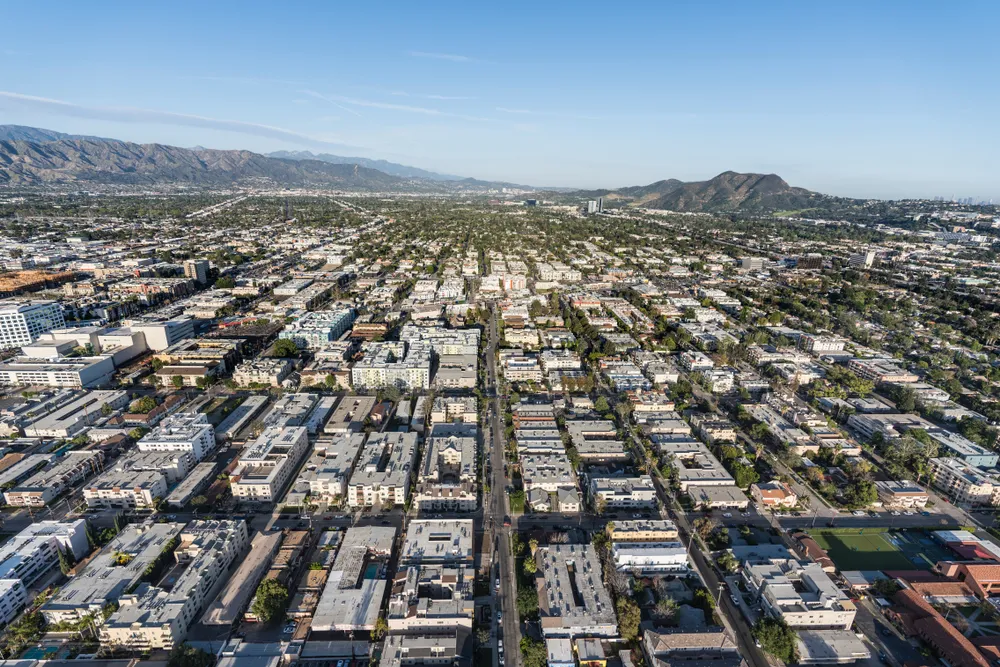
The San Fernando Valley, with its larger lot sizes, has permitted more ADUs than the Westside and currently maintains a more stable vacancy rate. Morgan attributes that stability to lower rents, making tenants less likely to leave during soft periods. The Westside’s higher rents correlate with higher vacancy when the market softens.
For investors weighing the LA market’s political headwinds against its supply constraints, Morgan argues the fundamentals remain strong precisely because the city cannot build its way out of the housing shortage. Vacancy during the 2008 downturn moved from 3% to 6%, a fraction of what markets like San Antonio experienced, where downtown vacancy reached 25%.
“This is a business that is a marathon, not a sprint,” Morgan says. “You’ve got to be really patient.”
About the Expert: Kelly Morgan is a Multi-Family Investment Specialist and Group Lead at the Kelly Morgan Multifamily Group – The Value Add Guy, covering the San Fernando Valley in Los Angeles.
This article is based on information provided by the expert source cited above. It is intended for general informational purposes only and does not constitute legal, financial, or real estate advice. Readers should conduct their own research and consult qualified professionals before making any real estate or financial decisions.