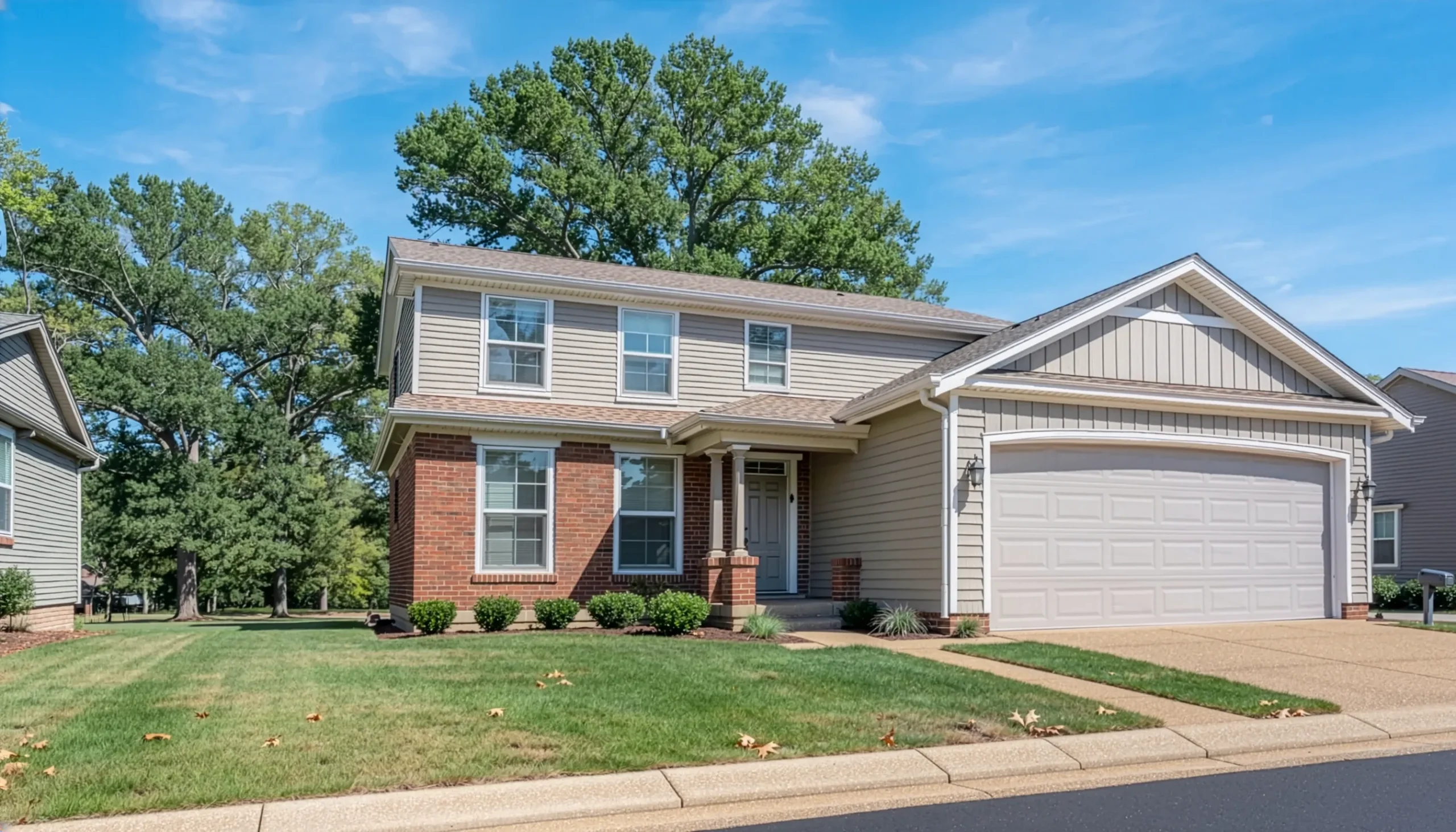
The western suburbs of Chicago have a pricing fault line, and it runs right through the $350,000 mark. Below it, multiple-offer situations and bidding wars still define the experience for buyers. Above it, the market loosens considerably – and the dynamics, negotiation tactics, and buyer psychology shift with it.
That split is shaping strategy for agents, buyers, and sellers across the Fox Valley region and surrounding Kane, Will, and LaSalle counties, where affordability pressure and rising interest rates are compressing activity into the lower end of the price spectrum, according to Tammy Rodrigues, managing broker at Generation Home Pro in Aurora, Illinois.
“Anything under $350,000 is hot in the market today,” Rodrigues says. “It’s hot because that payment’s a little bit more affordable.” Above that range, buyers become pickier and more deliberate. Above $850,000, she says, cash-heavy buyers tend to lowball offers, knowing they have leverage that sellers at the lower end would never concede.
Twenty Showings and No Guarantee
The competition below $350,000 is not abstract. Rodrigues recently worked with a couple – ages 21 and 20 – buying their first home. The search required roughly 20 outings, with a minimum of three homes viewed per trip. They submitted multiple offers, including some $20,000 to $30,000 over the asking price, and lost repeatedly.
One property in the Joliet area, a three-bedroom, one-bath home with a full basement listed under $300,000, drew 12 competing buyers. The couple eventually closed at a 6.5% interest rate – a number that now looks favorable given that rates have since climbed toward 8%.
“Imagine if they didn’t get that home, and they didn’t close on it,” Rodrigues says. “They wouldn’t be shopping right now.”
The affordability math gets harder the further out buyers look. In the LaSalle County area – places like Streator and Ottawa – homes around $250,000 are more accessible, but wages are lower. Buyers face a tradeoff: cheaper housing but limited local earning power, which often means a long commute to make the payments work.
Why Expired Listings Deserve a Second Look
Not every listing that fails to sell the first time has a pricing problem. Rodrigues, who actively works expired listings, says the most common issues are presentation failures – poor photography, cluttered rooms, incomplete descriptions, and odors the homeowner has stopped noticing.
Furniture arrangement is a frequent culprit. Rodrigues says homeowners often arrange rooms for their own daily use, not for how a buyer would see the space. Too much furniture makes rooms look smaller, and buyers cannot picture their own layout when they are looking at someone else’s clutter.
She recently relisted a home that had expired with another agent. The previous listing had roughly 10 photos and did not convey the home’s layout. Rodrigues rearranged the furniture, hired professional photography, and rewrote the listing description to include searchable terms like “fenced-in yard” – details buyers filter for but that the original listing omitted.
The home sold in 20 days, at the same list price the prior agent had used, during winter with snow on the ground – a tougher selling season than the summer window the first agent had.
“You have to tell a story about a home,” Rodrigues says. “You want the buyer to imagine themselves there.”
Seniors Stuck in Place
Among the most difficult situations Rodrigues encounters are senior homeowners who want to move but cannot afford to. The economics often work against them: a homeowner paying $1,000 a month in housing costs would face $2,000 or more in rent for a two-bedroom apartment. Even downsizing to a $250,000 condo purchased with cash still carries HOA fees and expenses that leave monthly costs roughly unchanged.
Property taxes compound the problem. Rodrigues describes clients behind $10,000 or more on tax bills, with limited income and no savings. If the tax bill goes unpaid, someone else will pay it and charge interest – and homeowners have about five years to reclaim those taxes before the debt deepens further.
In some cases, she discusses reverse mortgages – not as a universal solution, but as a way to stay in place when the alternatives are worse. She recommends taking only partial equity to preserve some value for a future sale, though she acknowledges that many homeowners exhaust the full amount.
“Nobody wants to go to a two-bedroom and rent for $2,000 a month when their monthly is $1,000,” Rodrigues says.
The pattern feeds the broader inventory constraint. Senior homeowners who stay put keep homes off the market that would otherwise serve move-up buyers, which in turn keeps pressure on the entry-level homes first-time buyers are competing for.
Rate Buydowns as the Next Play
With rates near 8%, Rodrigues is developing a strategy focused on interest rate buydowns, particularly targeting homes that have been sitting on the market. The logic is straightforward: a home listed at $300,000 that has sat for 45 days gives a buyer leverage to ask the seller to contribute $10,000 toward buying down the rate – potentially reducing it by two points.
The approach will not work on fresh listings where sellers have no pressure to concede. But for homes with extended days on market – Aurora averages around 30 days, with surrounding areas running 40 to 45 – it offers a path forward for buyers whose monthly payment calculations have priced them out at current rates.
Rodrigues says she plans to assemble packages with different lenders to present rate buydown options to hesitant buyers. “Is the interest rate stopping you from moving forward?” she says. “Let’s talk about what that really looks like.”
She frames the broader mindset required of buyers simply: “Every home is going to need something. It’s a matter of what you can live with and live without.”
About the Expert: Tammy Rodrigues is the managing broker at Generation Home Pro, a boutique brokerage in Aurora, Illinois, with 20 years of experience in real estate.
This article is based on information provided by the expert source cited above. It is intended for general informational purposes only and does not constitute legal, financial, or real estate advice. Readers should conduct their own research and consult qualified professionals before making any real estate or financial decisions.