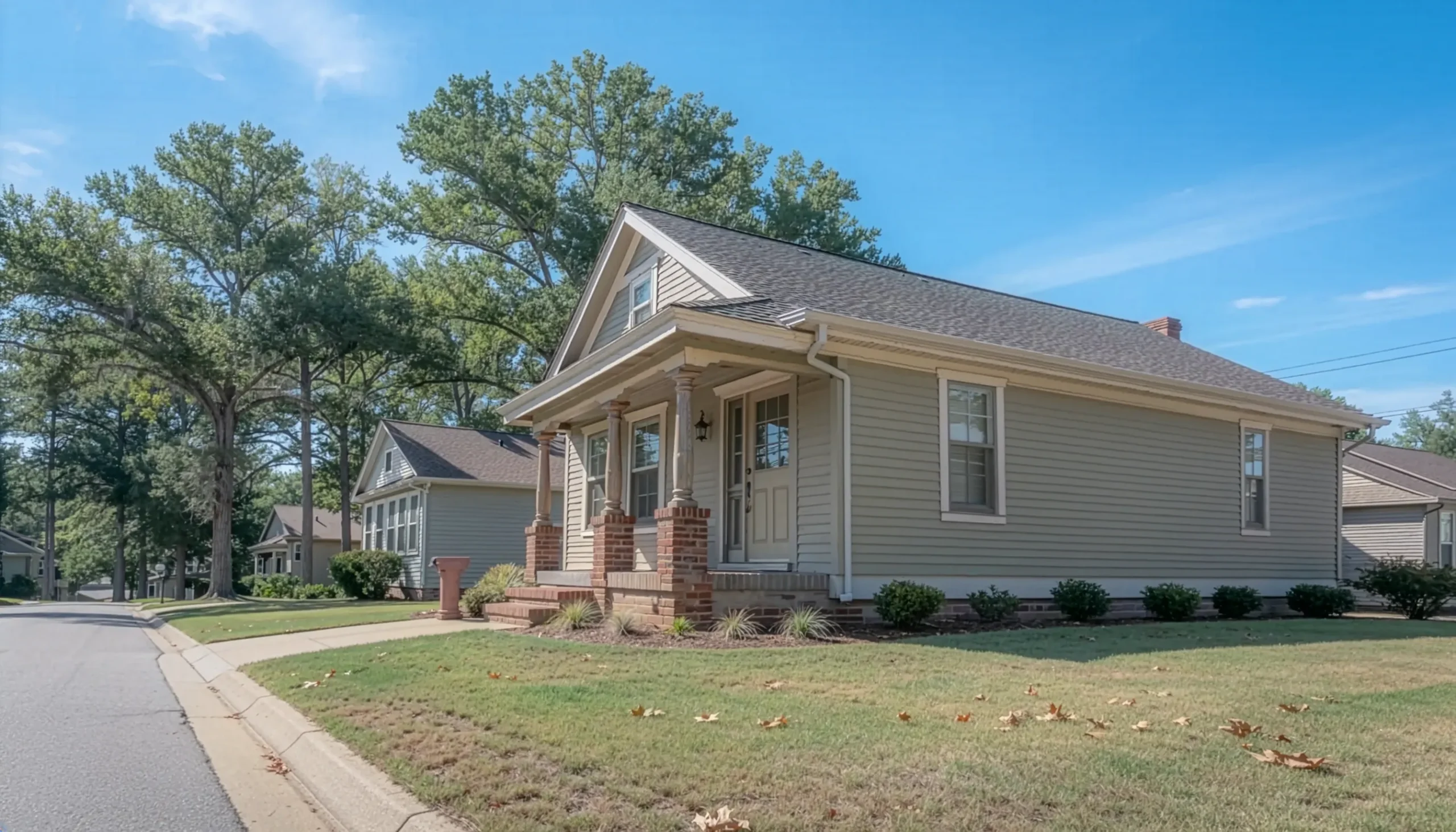
Durham’s housing market is sorting homes by condition and price. Emily Godrich of Heart NC Realty Group sees both outcomes: her two most recent Durham listings each sold within five days with multiple offers, while other homes in the market are not selling right away. Pricing has had to adjust as well. “We’ve had to dial things back significantly,” she says, a correction she sees as healthy for the housing market. Homes that miss on either condition or price are sitting.
Preparation Is Doing the Sorting
Demand is not the problem. Three universities sit within roughly a ten-mile radius – UNC Chapel Hill, Duke University, and NC Central University – generating a steady flow of people relocating for academic and professional positions. Research Triangle Park, most of which lies in Durham County, adds employment-driven demand on top of that. Buyers range from families outgrowing their homes to investors to professionals arriving for new jobs.
What separates properties that move from those that linger is condition and price, which Godrich sees as tied together. Homes in good condition, well staged, with deferred maintenance addressed are still selling. “I feel like things are definitely still moving,” she says. “Durham is still very, very desirable.”
The homes that sit, in her experience, belong to sellers who skip the preparation their agent recommends or price to the values of three years ago. Some sellers, she adds, choose brokers who don’t feel confident giving them the advice they need.
What Sellers Should Actually Spend On
Heart NC Realty Group includes staging as part of its standard listing package, bringing in furniture and artwork when a home does not present well on its own. Beyond staging, the recommendations focus on a short list: paint, flooring, and countertop refreshes. The goal is to make the home feel move-in ready without overinvesting.
Godrich says the team tries not to recommend anything that will not return at least dollar-for-dollar on the investment, though she acknowledges the difficulty of measuring that precisely. “We really try to work with our home sellers and within their budget to find solutions that are going to make the house look presentable,” she says. When a home cannot be brought to a competitive standard within the seller’s budget, the pricing strategy adjusts accordingly.
For Owners With Low Rates, Renting Can Beat Selling
Not every listing conversation ends in a sale. For Durham owners who locked in low interest rates and don’t need the proceeds from a sale, Godrich says, renting can be the better choice. It lets them keep the favorable rate, continue paying down principal, and retain the asset. Most of the owners whose rentals her group manages either have their homes paid off or hold lower rates.
Tenant demand supports the choice. At current interest rates, Godrich notes, renting a home in a given neighborhood is typically less expensive than buying one, and many people would rather rent right now.
Her group runs the rental numbers alongside the sale analysis for every listing client. “Our clients are not just a quick sale for us,” Godrich says. “Oftentimes that doesn’t mean we sell. It means we help them rent. We just want our clients to make the most of their real estate.”
For homeowners weighing the decision, the key variable is whether they need the funds from a sale.
Buyer Motivation Still Comes Down to Life Events
The mood among Durham buyers and sellers is mixed, and the dividing line is need. People facing pressing life changes, such as a growing family or a divorce, are moving forward. Those testing the market are more hesitant.
“Not everybody can afford to wait out the market and see what’s going on with it,” Godrich says.
For Investors, Durham Is a Harder Entry
Godrich is candid that Durham is a difficult market for investors. “I think it’s really difficult for investors to come in,” she says. The opportunity she sees is in properties with extended days on market and deferred maintenance or significant cosmetic issues – “a lot of ugly wallpaper,” as she puts it. Even then, she doesn’t expect investors to see the kinds of returns many are looking for. Finding those properties, she says, takes a broker who can help.
What Durham offers instead is stability. The city hasn’t seen the dip many other areas have, Godrich says, and the same demand drivers behind its housing market make it “a lot more stable market than what you’re going to see outside of our triangle area.”
About the Expert: Emily Godrich is with Heart NC Realty Group, covering Durham, North Carolina.
This article is based on information provided by the expert source cited above. It is intended for general informational purposes only and does not constitute legal, financial, or real estate advice. Readers should conduct their own research and consult qualified professionals before making any real estate or financial decisions.