A few years ago, Dallas–Fort Worth buyers competed in bidding wars and waived inspections. Now they are asking sellers to help cover their costs – and in most transactions, they are getting it. According to Katherine Hubbard of DFW 1% Listings, a flat-fee brokerage in the Dallas–Fort Worth metro, roughly 90 percent of her current transactions involve some form of buyer concession request. The amounts typically range from $5,000 to $10,000, she says, and come in various forms – help with closing costs, funds to buy down the mortgage rate, or cash the buyer needs to make the deal work.
Why Buyers Are Asking for Help
The requests are a direct response to three cost pressures buyers cannot control: mortgage rates, property taxes, and homeowner’s insurance. Hubbard says buyers are “looking to the sellers now because they can’t do anything about the interest rates.”
The math from her own listings illustrates how those pressures land. Hubbard recently calculated the projected monthly payment on a home listed at $379,000. The payment came to roughly $3,100 a month – and that figure did not include all the other costs of running a household. For someone earning $50,000 or $60,000 a year, that payment alone consumes a large share of gross income.
Insurance is compounding the problem. Hubbard says her own Texas homeowner’s insurance premiums rose 20 to 30 percent in the most recent renewal cycle, driven by hail and wind damage claims during the state’s winter storm season. Buyers shopping in DFW factor those rising premiums into their offers, leaving less money available for the purchase price itself.
With rates, taxes, and insurance all elevated, Hubbard’s conclusion is direct: “The only flexibility is with the seller.”
What Concessions Look Like in Practice
A buyer might ask for $7,000 toward closing costs. Another might request funds to buy down the mortgage rate for the first year or two of the loan. In either case, the money comes out of the seller’s proceeds.
For sellers, this means the net they walk away with at closing may be thousands of dollars less than the contract price suggests. That gap matters especially for owners who bought during the 2021–2024 price run-up and have limited equity. Hubbard says she turns down roughly four or five potential clients a month who purchased during that period and simply do not have enough equity to sell.
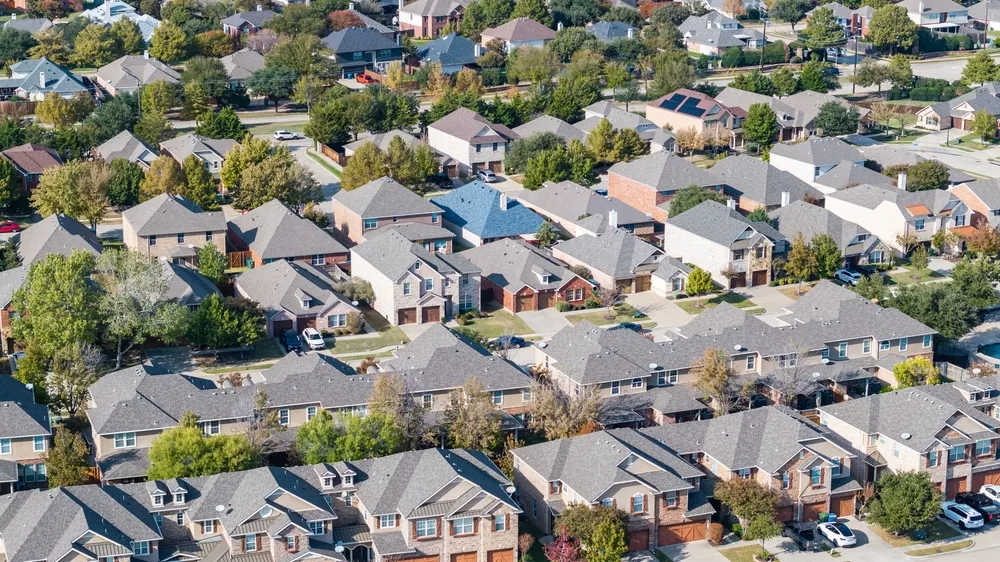
Many DFW sellers still have not adjusted to this reality, Hubbard says. Some resist concessions entirely, viewing them as a sign of a weak offer. But in a market where inventory is high – Hubbard pointed to one subdivision alone with 95 active listings – a seller who refuses to negotiate on concessions may watch the buyer move to the next house down the street.
Why Pricing Still Determines Speed
Even in a concession-heavy market, correctly priced homes sell. Hubbard says she recently sold a home in Trophy Club at $1.4 million in 12 days – a cash deal where the buyer had not yet listed their own property. She has also seen homes at $300,000 and $700,000 move quickly when priced to match comparable sales.
The homes that sit, she says, share a common problem: sellers who price based on what they need rather than what the market supports. Hubbard says she tells clients that three things sell a house – price, location, and condition – and that “everything sells for the right price, period.”
When sellers overprice, even strong fundamentals cannot overcome the resistance. Hubbard described one of her current listings in an A-plus school district, priced competitively, that is still sitting because buyers in that subdivision have 95 options to choose from. New construction in the same area adds further competition.
What is Keeping Pressure on
Hubbard attributes persistently high mortgage rates in part to global conflict making investors uneasy and demanding more return. Property taxes and insurance costs in Texas show no sign of easing given the state’s exposure to severe weather. Together, these forces leave sellers as the only party with room to negotiate.
Homes are still selling in DFW. Hubbard had two under contract at the time of this interview and closed several over the summer of 2026. But sellers who price without accounting for a likely concession request face longer market times and eventual price reductions that cost more than the concession would have. As Hubbard puts it, the market “speaks loud and clear” – and right now, it is telling sellers that flexibility on concessions is the cost of getting a deal done.
About the Expert: Katherine Hubbard is a broker at DFW 1% Listings, covering the Dallas-Fort Worth metroplex.
This article is intended for informational purposes only and does not constitute legal, financial, or investment advice. The views and opinions expressed herein reflect those of the individuals quoted and do not represent an endorsement of any company, product, or service mentioned. Readers should conduct their own due diligence and consult qualified professionals before making any investment decisions.