Lenders across Long Island are now treating accessory dwelling units, including basement apartments and mother-daughter setups, as income-generating assets rather than liabilities. According...

Why the McMansion Era Is Over in the Hudson Valley

Written by:
Date:
28 Jan 2026
Share via Facebook

Share via Linkedin

Share via X

Copy to clipboard

Demand for large, sprawling homes in the Hudson Valley is falling, and the decline extends beyond affordability. Instead, an apparent change in buyer preferences is driving investors and developers to rethink residential projects throughout the area.
Susan Onderdonk, a real estate salesperson with Howard Hanna Rand Realty who has worked in the Greenwood Lake area for 18 years, says the decline of the McMansion is the result of both practical and lifestyle factors making massive homes less appealing to buyers.
“I think the day of these massive houses is kind of over. I don’t really think people are looking for these huge, huge homes anymore. That’s rare,” Onderdonk says.
Why Buyers Are Rejecting Large Homes
The reasons buyers now avoid oversized houses run deeper than sticker price alone. Onderdonk points to everyday realities: “Convenience, cost, you know, lifestyles, that kind of thing. I think they’re a lot to maintain. They’re a lot to heat, they’re a lot to cool. You know, they’re more expensive. You have to worry about more things breaking down, and it’s hard to find somebody sometimes to mow the lawn or to shovel the driveway,” she explains.
This last point highlights a practical problem that doesn’t show up in sales data: a shortage of local maintenance workers. In the Hudson Valley, finding reliable service providers for large properties is often difficult. This means owning a big home isn’t just costly—it’s a logistical challenge. Buyers are realizing that more square footage means more responsibility, not just higher bills.
Heating and cooling costs are exceptionally high in a region with harsh winters and increasingly hot summers. Large, older homes with outdated systems can produce utility bills that rival mortgage payments, making smaller, energy-efficient homes more attractive—even to those who could afford more space.
What Today’s Buyers Want
Moving away from McMansions doesn’t mean buyers are compromising. Instead, they are redefining what “more” means for them. Onderdonk says buyers now look for homes that offer quality design and functional efficiency over sheer size.
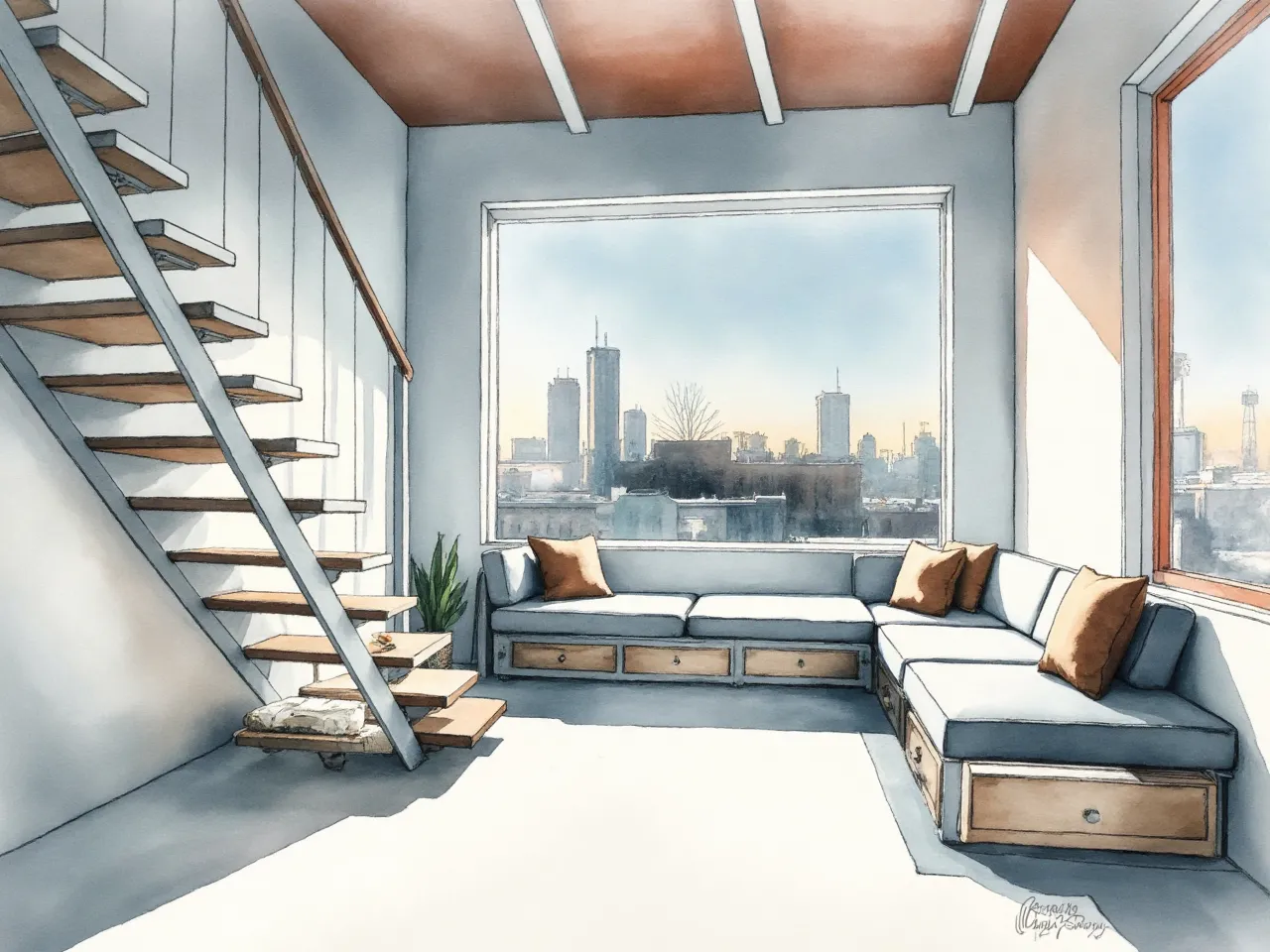
“Something smaller and more laid out correctly. Like, something that’s really well-designed with storage is a huge thing. They want it designed well and stylish and clean and kind of like enough, but not too much,” she explains.
This focus on “enough, but not too much” marks a shift from the bigger-is-better mindset of the 2000s and early 2010s. Buyers are no longer swayed by size or luxury features that require constant attention. Instead, they want homes that combine attractive design with easy, practical living.
Storage has become a key selling point. Rather than seeking extra rooms, buyers want spaces that are thoughtfully planned and maximize usability. This suggests that developers will see greater success with homes that offer innovative floor plans, built-in storage, and efficient layouts rather than simply adding more square footage.
Implications for Developers and Investors
For developers considering new projects in the Hudson Valley, Onderdonk’s observations point to a need for a different approach. Large-lot subdivisions with four- and five-bedroom homes may struggle to attract buyers, while developments with smaller, well-designed units could better match current demand.
Onderdonk also notes that some housing types are in particularly short supply. “We really do have a huge need for senior housing in this area that I’m in. We don’t really have enough senior housing. That would be nice. We need more areas that have entry-level housing, and that would be wonderful, too,” she says.
Both senior and entry-level housing fit the new buyer profile. Seniors are actively downsizing from the large homes where they raised families, while first-time buyers have never considered McMansions. Developers who create efficient, thoughtfully designed homes for these groups may face less competition and see faster sales than those focused on building larger homes.
A Wider Market Trend
The fading appeal of McMansions is not limited to the Hudson Valley. It reflects national demographic and lifestyle trends, but the impact is evident in local markets like Greenwood Lake, where most existing inventory consists of older, larger homes, and new construction is limited.
Sellers of oversized homes may have to contend with a longer time on the market and lower offers, especially if their properties lack good design and energy efficiency. By contrast, developers who respond to changing preferences and design homes for today’s buyers can gain a real advantage—especially in areas where most available homes do not meet current expectations.
What Successful Projects Will Look Like
Onderdonk’s insights point to several features likely to define successful residential projects in the Hudson Valley: smaller footprints, high-quality design and finishes, efficient layouts with ample storage, manageable maintenance needs, and reasonable utility costs.
Whether developers adapt to these changes before overbuilding more large homes may determine which projects thrive and which struggle to find buyers in the years ahead. The market is sending a clear signal: buyers want homes that are practical, efficient, and easy to live in, not just bigger.
Similar Articles
Explore similar articles from Our Team of Experts.