Twenty years ago, downtown Rochester faced a stark reality: empty office buildings, little foot traffic, and a struggling urban core. Today, the city boasts 10,000 residential units where there were once just 1,200— a shift that is quietly reshaping commercial real estate across upstate New York.
Mercedes Brien, a commercial broker with Yaman Commercial and president of the New York State Association of Commercial Realtors, has observed these changes over three decades. What began as a targeted effort in Rochester is now spreading to Buffalo and Syracuse, as cities across the region turn underused office space into mixed-use developments and apartments.
“This is what’s going to save our cities,” Brien says. “We need to have those feet on the street to make that city alive.”
Why Empty Offices Are Becoming Apartments
The trend toward converting offices to apartments began before the pandemic, but COVID-19 made it urgent. As companies downsized or shifted to remote work, office vacancy rates rose, leaving landlords with costly, hard-to-lease buildings.
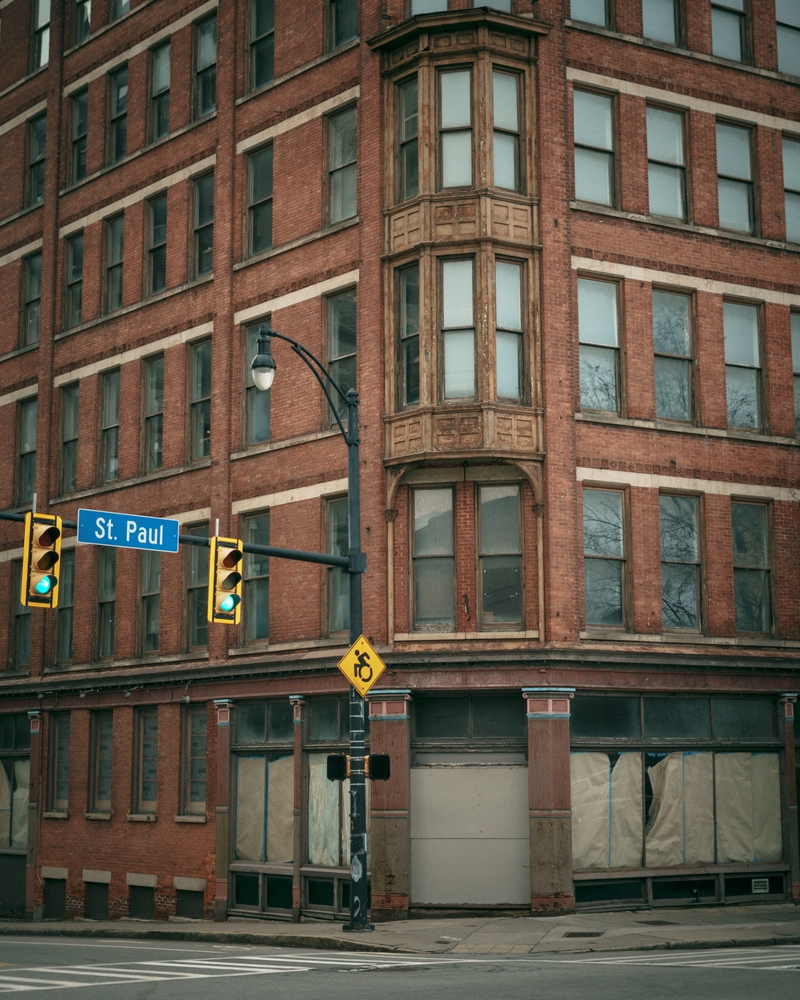
Rochester recognized the problem early. About 20 years ago, city leaders and developers decided to convert vacant downtown office towers into residential space with a clear goal: bring people back to the city’s core.
“We looked at our office buildings downtown and said, hey, wait a minute, they’re vacant, and we don’t have any feet on the street,” Brien recalls.
The results are clear. Rochester now has about 10,000 residential units within its inner loop, up from just 1,200 two decades ago. Many of these apartments occupy former office buildings that now feature a mix of housing, retail, and smaller office spaces.
Buffalo and Syracuse are adopting similar strategies. Buffalo is midway through its own wave of office-to-residential conversions, while Syracuse is accelerating mixed-use projects and adaptive reuse of commercial properties.
Implications for Property Owners and Investors
For owners of older office buildings in upstate New York’s cities, the market is sending a clear message: residential conversion is often the most viable path. Office demand has fallen, particularly for buildings that lack modern amenities or flexible layouts.
However, converting an office building into apartments is not simple or inexpensive. These projects demand significant investment, zoning approvals, and often rely on tax incentives or government grants to be financially feasible. Brien notes that owners willing to invest in renovations and work with local authorities are achieving better results than those holding out for traditional office tenants.
For investors, the shift creates both opportunities and risks. Successful conversions can provide steady rental income in cities where housing demand remains strong, but investors must evaluate local rental rates, tenant expectations, and maintenance costs.
Coworking spaces are also filling some of the void left by traditional office tenants. Flexible, shared office environments now appeal to remote workers, freelancers, and small businesses that no longer require a full-time office but still need a professional space.
How Residential Growth Is Reshaping Neighborhoods
The surge of new residents downtown is changing more than just the skyline — it’s bringing new life to entire neighborhoods. Restaurants, cafes, and small retailers are opening in areas that were once emptied after business hours.
Brien points out that every commercial real estate deal can reshape a neighborhood. Helping a business or tenant secure space in a struggling area often triggers new investment and activity, which can restore vibrancy to an entire district.
For renters, the increase in downtown apartments means a wider range of choices and, in some cases, more competitive pricing than what’s available in older suburban complexes. Many converted buildings offer modern finishes, walkable access to shops and restaurants, and proximity to jobs and public transit.
What to Expect in the Coming Years
Brien expects the trend of office-to-residential conversions to continue, especially as cities recognize that empty office buildings are a financial and social liability. The main challenge is financing: high construction costs and elevated interest rates have made it more difficult to justify projects that might have worked in a lower-cost environment.
Government policy will play a decisive role. Tax incentives, zoning changes, and grant programs can determine whether conversion projects move forward. As president of NYSCAR, Brien is actively engaging with lawmakers in Albany to advocate for policies that support adaptive reuse and urban revitalization.
“I work with Albany regularly, staying in touch and finding out what the capital is doing, and being able to lobby if needed,” she says.
The Outlook for Upstate Cities
Upstate New York’s cities are adapting by turning vacant office buildings into housing, with Rochester leading the way. The trend is spreading to Buffalo, Syracuse, and other cities, as property owners, investors, and renters respond to new market realities. Buildings that once defined the region’s commercial core are now shaping its residential future, altering how people live, work, and invest.
According to Brien, commercial real estate professionals play a central role in this process. “We are kind of the driving force to what our economy will look like,” she says. “What we do affects so many lives.”
About the Expert: Mercedes Brien is a commercial broker with Yaman Commercial in Rochester, New York, and the current president of the New York State Association of Commercial Realtors. She specializes in industrial real estate and has worked across upstate New York for 30 years.
This article is based on information provided by the expert source cited above. It is intended for general informational purposes only and does not constitute legal, financial, or real estate advice. Readers should conduct their own research and consult qualified professionals before making any real estate or financial decisions.